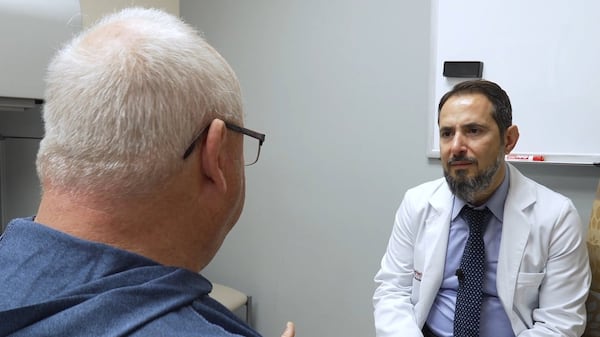
The Eastern Ontario Health Unit is reminding residents to take precautions to protect against mosquitoes after confirming a human case of West Nile virus in the region. It’s the first human case of West Nile confirmed in eastern Ontario this year. It comes shortly after a bird also tested positive for the virus, the health unit says. West Nile is transmitted to humans through a mosquito bite. No details on the human case were released. The Eastern Ontario Health Unit serves a wide area outside Ottawa that includes the United Counties of Stormont, Dundas and Glengarry, Prescott-Russell, and the city of Cornwall. Ottawa Public Health has not confirmed any human-transmitted cases this year but did detect the virus in a mosquito pool in July. There have been eight human cases in Canada as of Aug. 15, according to Health Canada. “This finding shows that some mosquitoes in the region are infected with West Nile virus and are transmitting it to humans and animals alike,” said medical officer of health Dr. Paul Roumeliotis, in a statement. “I am therefore reminding residents to take the necessary precautions to protect themselves and their families as mosquitoes remain active well into the fall months.” The risk of illness from West Nile is low but can cause serious complications for certain people. Mosquitoes can also carry other viruses that have the capacity to infect humans, such as Eastern Equine Encephalitis (EEE). Symptoms of West Nile include fever, headache, body aches, mild rash and swollen lymph glands. Fewer than one per cent of people may experience serious neurological symptoms. Methods to protect yourself from mosquitoes: The health unit also recommends eliminating standing water near your home, which attracts mosquitoes. Some tips include: