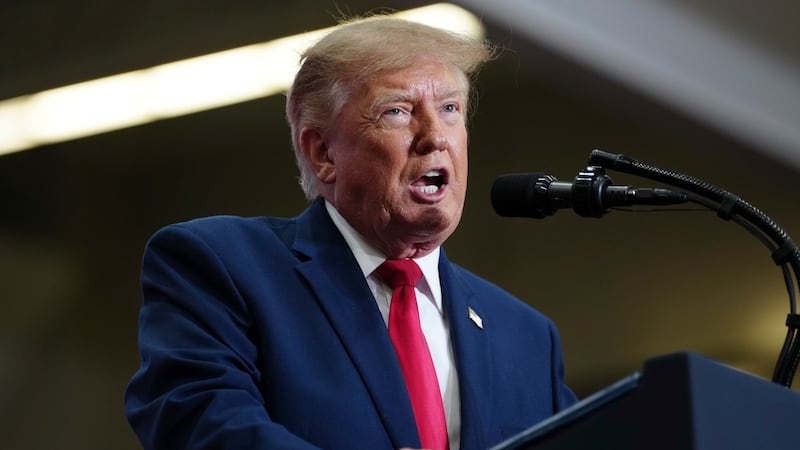
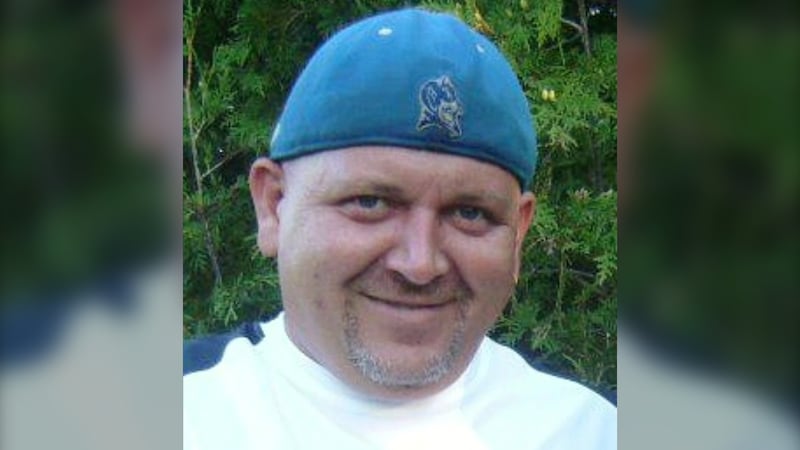
For more than a decade, winter for Mike meant Florida. He and his wife initially rented before eventually buying a property of their own, drawn by the warmer weather and the community they found there. “First, we rented. We loved the community so much, we purchased,” Mike said. “We really enjoyed going to Florida. Obviously, the climate.” The couple recently sold their property and returned to Ottawa full-time. Mike asked that CTV News not use his last name or identify where his former property was located. He says politics had nothing to do with the decision. “We’re in our mid to late 70s now, and it was just time to come home to Ottawa and stay closer to our family,” he said. But experts say a proposed property tax change heading to Florida voters this fall could eventually lead more Canadian snowbirds who own property there to reconsider. Florida voters will decide on Amendment 3 in the Nov. 3 general election. The measure follows a push by Gov. Ron DeSantis to cut property taxes for people who live in Florida full-time. DeSantis called lawmakers into a special session in June to consider property tax relief. What would Amendment 3 do? The proposal would give a much larger property tax break to qualifying Florida residents. Right now, homeowners who make a Florida property their permanent residence can shield up to $50,000 of its value from certain property taxes. Amendment 3 would increase that amount to US$150,000 in 2027 and US$250,000 in 2028. School district taxes would not be included in that expanded exemption. “The goal is for the state of Florida to reduce property taxes for residents of Florida,” said Stephen Fine, president of Snowbird Advisor. Seasonal properties, including many homes owned by Canadian snowbirds, would not qualify for the same break because they are not the owner’s permanent Florida residence. That has raised questions about what could happen if local governments begin collecting less property tax revenue from permanent residents. “If they’re not getting the money from the homestead of even for the property taxes and there’s a shortfall, where are they going to get that made up?” said Martin Firestone, president of Travel Secure Inc. “Well, the obvious answer is probably from the ones who are not homesteaders.” Amendment 3 itself does not impose a new tax on Canadians or require municipalities to charge non-residents more. There is also one measure in the amendment that would provide additional protection to seasonal homeowners. Currently, the value used to calculate property taxes on a non-homestead property can generally increase by as much as 10 per cent per year. Amendment 3 would lower that cap to five per cent. That does not necessarily mean a property owner’s actual tax bill could only rise by five per cent. Local governments set property tax rates as part of their annual budgets, meaning those rates can change separately from the value assigned to a property. That is why experts say the longer-term impact on Canadian owners remain uncertain. “If you start seeing significant property tax increases for nonresidents, which obviously includes snowbirds, you might see a number of Canadians who own property and selling it,” Fine said. Fewer snowbirds heading to the U.S. The debate comes as some Canadian snowbirds are already choosing destinations outside the United States. Snowbird Advisor says 70 per cent of its members surveyed last year travelled to the U.S., down from 81 per cent the previous year. Fine says roughly half of the snowbirds who travel to the United Staters typically go to Florida. Firestone says the property tax debate is just one of several factors Canadians are considering, along with the value of the Canadian dollar and ongoing trade and political tensions. For Mike, the tax proposal alone would not have been enough to convince him to sell. “This on its own? This would not push us to sell at this time,” he said. “Floria property taxes, as compared to the value of your home, are lower than here in Ottawa.” Instead, he says Canadians who still own property there will likely be watching what happens after the vote. “It’ll be interesting,” Mike said. “But I think the more important part is the follow-on, what happens after the vote.” Amendment 3 needs at least 60 per cent support from Florida voters to pass. If approved, it would take effect Jan. 1, 2027.