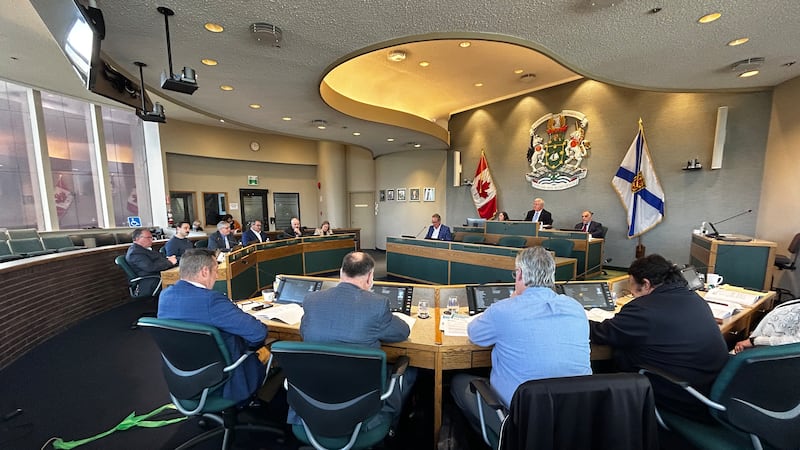
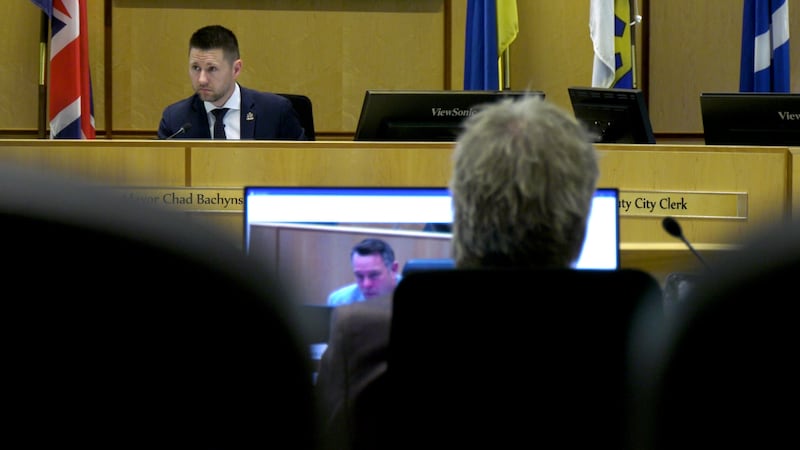
Drivers will soon have to slow down on a three-kilometre stretch of Earl Armstrong Road in Ottawa’s Riverside South neighbourhood. Councillors on the public works and infrastructure committee approved a motion from Coun. Steve Desroches to reduce the speed limit on Earl Armstrong Road, between River Road and Limebank Road, from 80 km/h to 70 km/h. The motion initially called for the speed limit to be lowered to 60 km/h, but Desroches moved an amendment to lower the speed limit 10 km/h to 70 km/h. The motion said the reduction in the speed limit will “remain consistent” with other urbanized areas of Ottawa. “Earl Armstrong has been an arterial road for many years and since then the area has seen continued growth in housing, school and retail space,” said Desroches motion. “Progress has been made to continue to enhance active transportation in the area. More people walk to Limebank Station and the new retail plaza at the corner of Earl Armstrong Road and Limebank Road. It is not uncommon to have lower speed limits on streets like these, especially given the proximity of Earl Armstrong to the new Riverside South High School.” Desroches motion says since Earl Armstrong Road was upgraded more than 10 years ago, there has been “significant housing growth” in the area, including new retail development, the opening of the Vimy Memorial Bridge connecting Riverside South and Barrhaven and a new high school set to open at Spratt Road and Earl Armstrong this fall. “The proposed speed limit reduction is in response to community feedback highlighting how the road’s character has evolved over the past decade. Many residents have noted that similar urbanized roads throughout the city have lower speed limits,” says the motion. “Traffic calming options on this stretch are limited given the road profile and a speed display board that has been installed to assist with speed compliance. Further options will be considered; however, the possibilities are limited due to the road’s engineering.” In the report for the committee, staff recommend councillors wait to decide on the speed limit for Earl Armstrong Road until an update of the city’s Speed Zoning Policy is finished later this year. According to the report, a speed survey conducted on Nov. 1, 2023, on Earl Armstrong Road, between Brian Good Avenue and Spratt Road, showed an operating speed of 80 km/h by motorists. OC Transpo staff warned the lower speed limit to 60 km/h would increase travel times by approximately 15 per cent during off-peak hours. “This translates to an additional 15-30 seconds of travel time per trip, depending on the travel direction and time of day, during off-peak and weekend periods only,” staff said. The report does say OC Transpo “does not anticipate travel time impacts to bus service during peak periods,” noting higher levels of congestion limit bus speeds to “at or below 60 km/h on average.” If council approves the plan to lower the speed limit to 70 km/h, it will cost approximately $2,500 to replace speed limit signs along Earl Armstrong Road. According to City of Ottawa data, 31,683 vehicles were recorded at the intersection of Earl Armstrong Road and Brian Good Avenue during a 24-hour period in December.