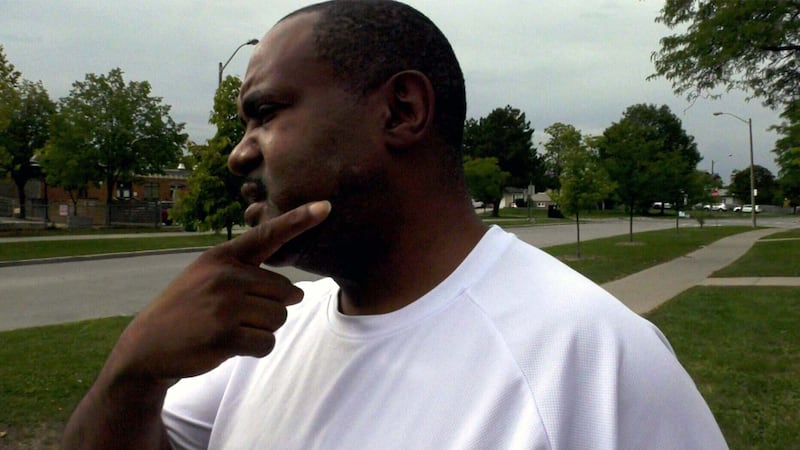
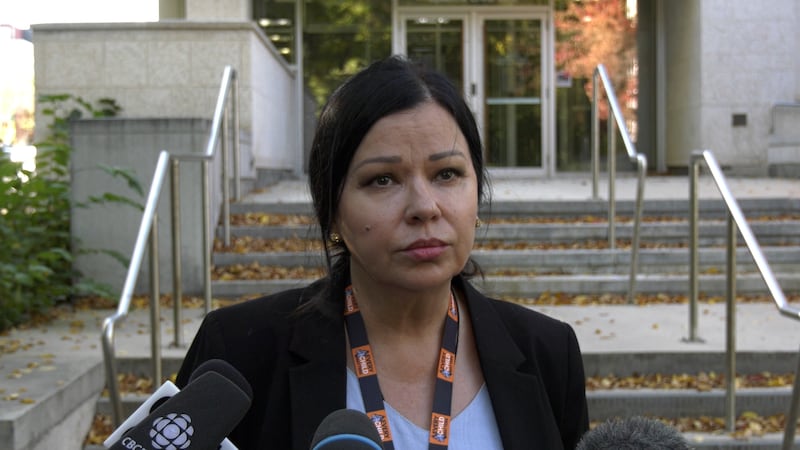
Leaders in Sudbury’s developmental services sector are raising urgent concerns about a system they say has reached a breaking point, leaving some of the city’s most vulnerable citizens at serious risk. Kevin Cooper, the CEO of the Sudbury Community Service Centre, said his organization is witnessing a steep and troubling decline in the well-being of its clients. He described a system overwhelmed by demand, where individuals with developmental disabilities are falling through the cracks. “We’ve really noticed a decline,” Cooper said. “Many of our individuals that we’re seeing today actually have no other supports. They’re struggling to maintain their apartments and some don’t have apartments, and they don’t have places to go to. So, it’s very difficult,” Cooper added. The CEO told CTV News that the surge in need is met with a wall of bureaucracy and red tape. Those seeking help are often directed to a provincial agency only to find there is no immediate assistance available. “A lot of people are asking for support. They inquire with Developmental Services Ontario and go on a waitlist,” he added. ‘It’s virtually impossible’ Among those caught in this limbo is Nathan F., a client of the community service centre who is currently couch-surfing at friends’ homes. Despite being employed, he said the path to stable housing is blocked by systemic barriers. He explained that his inability to secure a spot in a shelter or an encampment disqualifies him from programs designed to help the homeless, leaving him in a precarious cycle of temporary stays. “I have a job, I work, but the funding is not there because with my work and this money, I still don’t make enough money to pay first and last month’s rent,” Nathan said. “It’s virtually impossible.” Advocates warn that when individuals with developmental disabilities are forced into homelessness, they face dangers that the average person may not encounter. The lack of structured support leaves them exposed to exploitation and violence on the streets. Crystal Parent, coordinator of justice services with the Sudbury Community Service Centre, painted a grim picture of the conditions her clients face when they end up in shelters or encampments. “We have incredibly vulnerable people who are being abused sexually, physically. Their belongings are being stolen,” Parent said. “People take advantage of them, and they don’t have the proper supports to ensure that those things don’t happen.” Parent said that the consequences extend beyond the street, often entangling these individuals in the justice system simply for lacking a fixed address. “When those things do happen, often times what happens is they will remain in custody if they don’t have an address,” she said. ‘We can’t go any further’ With a provincial budget expected at the end of March, advocates are calling on the government to move beyond temporary fixes and acknowledge the depth of the crisis. They are hoping for a collaborative effort to build a system that can provide sustainable, long-term solutions. Cooper, who has worked in the developmental services sector for 35 years, said the current situation is the worst he has seen, with the decline accelerating over the last decade and a half. He pointed to staggering provincial waitlists as evidence of a system unable to meet the basic needs of its citizens. “I think the first step is actually to recognize the problem and hopefully when the problems recognized, we can start putting some funding into place to actually resolve some of these issues,” Cooper said. “We’re just really concerned that we’re at a point right now where we can’t go any further, and there’s a lot of compassion fatigue with our workers and our outreach people, but they’re doing their best, but they can only do so much.” According to Cooper, more than 53,000 Ontarians are currently on waitlists for critical developmental supports, a number he says underscores the urgent need for systemic change.