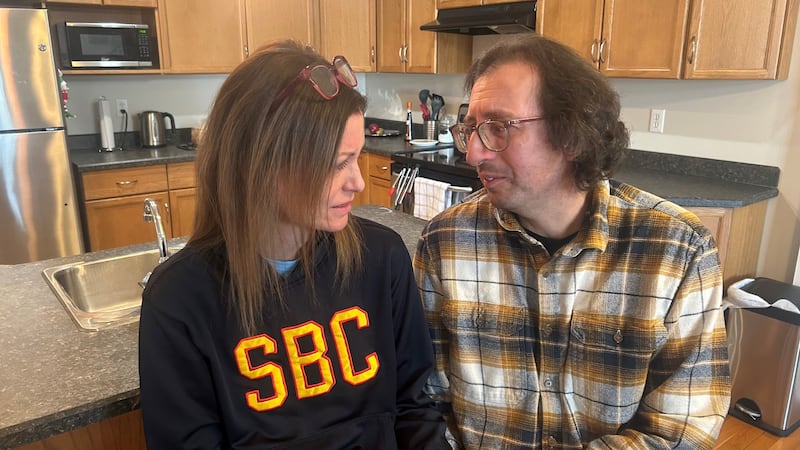
NOSM University is emphasizing health equity, ensuring that as many residents as possible have access to primary care, regardless of location, culture or background. NOSM president Dr. Michael Green said that 57 per cent of their graduates in the past 20 years have gone into family medicine. “We need to keep focused on that – growing those programs,” Green said. “We’re graduating family doctors who stay and work here in the north.” The med school, which has campuses in Sudbury and Thunder Bay, has a new five-year strategic plan, its first since it became an independent medical school in 2022. Green said more than 2,000 learners, faculty, staff, partners and community members were consulted on what should be in the plan. “It’s very much an in-the-north, by-the-north, for-the-north plan,” he said. “(It’s) focused on helping northern Ontario to achieve health equity across all of its different areas and with other parts of Canada, through providing exceptional training, research, education to the future doctors that will be serving northern Ontarians.” Focus on health equity The focus on health equity ensures NOSM trains, retains and supports health professionals who can provide care to the underserved communities like rural, remote, Indigenous and Francophone populations. Those are groups that the Ontario Medical Association wants to see served equitably. “There’s a lot of different groups that we know have less access,” said OMA president Dr. Zainab Abdurrahman “That leads to more issues because that means (underserved populations) are not getting the regular screening. We’re not identifying issues early. So, they’re presenting later and more likely to present to emergency care.” The goal is to identify health challenges as early as possible, she said, leading to better outcomes. According to OMA statistics, 2.5 million people in Ontario don’t have a family doctor. Abdurrahman said NOSM has been critical in helping address the doctor shortage. “It is great to actually have the opportunity to train in those areas because, like I talked about, that balance where you might be doing a lot more emergency care along with primary care,” she said. “It’s also giving the opportunity for those who are local to that area to be able to train in those areas, as well … We’ve seen a lot of retention, actually, in some of those communities because of NOSM being present.” Abdurrahman also praised the way NOSM students get to apprentice alongside practising physicians and other health professionals. “I think that brings a certain joy in medicine,” she said. NOSM will admit 88 students into its undergraduate medical education program this fall. Since the school opened in 2005, 1,041 doctors have graduated, with most staying in the north.