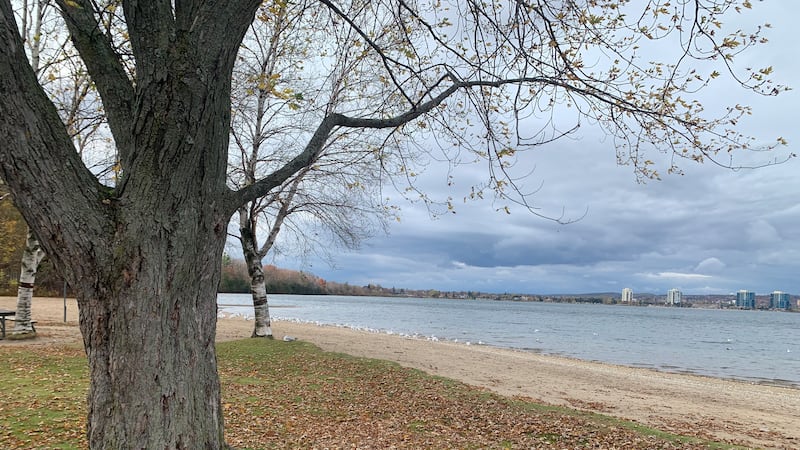
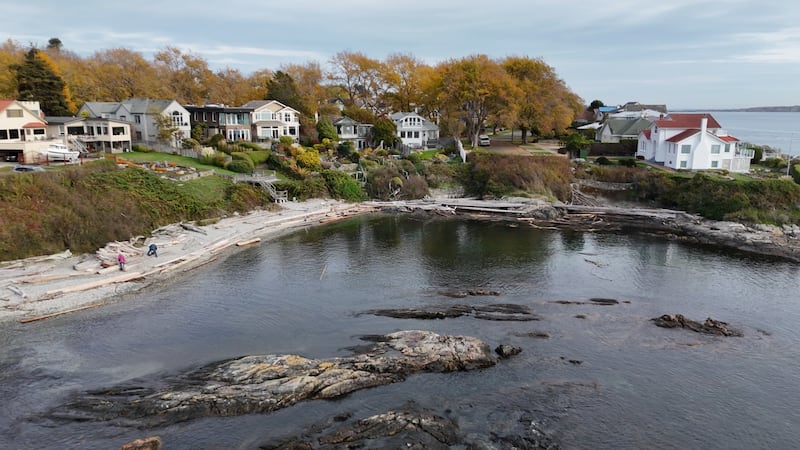
It’s November, but on Lake Simcoe, conditions feel more like early fall. Water temperatures are about three degrees above normal, part of a record-warm trend being observed across the Great Lakes. The subtle sounds of Lake Simcoe can be heard on this November day. It’s the kind of day Innisfil resident Casey Edwards lives for. Edwards says he’s noticed the unusually warm water temperatures this fall. “Yeah, it makes it much more enjoyable for us. We’re able to stay out in the water a lot longer and have a little bit longer of a session,” said Edwards to CTV News. Those warmer temperatures are being felt right across the Great Lakes as well. The National Oceanic and Atmospheric Administration says the lakes are not only experiencing warmer-than-normal water temperatures, but record warmth. For comparison, the temperature on Lake Simcoe as of Monday was 13 C, about three degrees higher than normal. “It’s very significant. I get excited as a climatologist by just half a degree warmer than normal, so three degrees would be quite something,” said Dave Phillips, Environment Canada. Environment Canada says the warm summer and fall, combined with a lack of strong winds, are some of the factors contributing to the higher water temperatures. Brian Ginn with the Lake Simcoe Region Conservation Authority says the trend is being seen across Ontario. “It’s indicative of climate change that we are seeing across the region. Basically, every lake in Ontario is showing the same trend, where summers are getting warmer and warmer, the lakes are getting warmer and warmer, and it’s taking them longer and longer to cool down and freeze over,” added Ginn. Environment Canada says these warmer water temperatures could also impact the snow squalls that develop over the lakes in the coming months. Phillips adding, “It’s hard to figure out exactly what will happen with lake-effect snow. We may not necessarily get earlier lake-effect snow, but we could get it later in the season. The total amount may be the same, but instead of getting a lot in November, December and January, more of it could come in February, March and April.” The Lake Simcoe Region Conservation Authority says it records the lake’s temperature every two weeks when it is not frozen over.