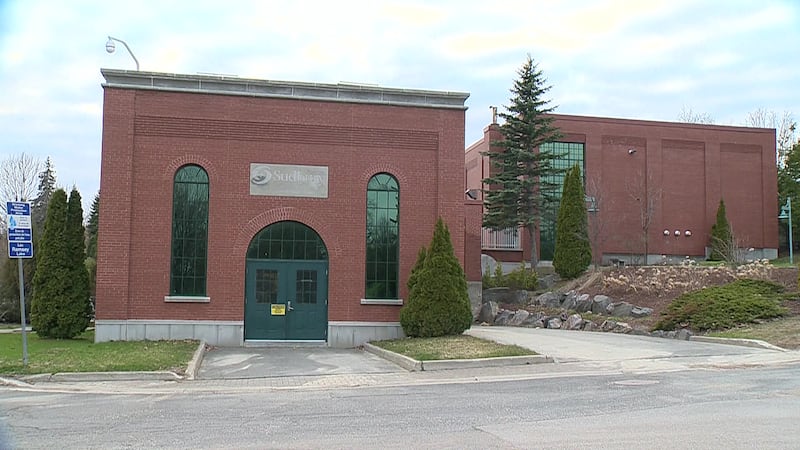
Algoma University‘s decision to pause admissions for five arts and social sciences programs has drawn sharp criticism from faculty, students, and community members, who argue the move lacks transparency and could cause long-term harm to the institution’s academic mission. The university announced earlier this month that it would temporarily halt intakes for first-year students in history, geography, music, sociology, and visual arts, citing low enrolment and financial sustainability concerns. However, the Algoma University Faculty Association contends the decision was made without proper consultation or complete data, raising questions about its legality and necessity. Faculty concerns over process, financial justification The union’s vice-president Alice Ridout called the process “deeply worrying,” stating the decision was made “in the dark” without senate approval. “The decision itself was made in camera. It was not made through senate. There’s definitely a legal question to be answered there about how the decision was made,” Ridout said, referencing a similar case at York University now under judicial review. She also disputed the financial rationale, noting that first-year courses in the affected programs remain popular and will still run. “The irony is that all of these programs have such popular first-year courses that we’re actually being instructed by our dean not to cancel any of them,” Ridout said, speaking with CTV News on Tuesday. “So, there’s actually no financial impact whatsoever in the first year.” Professor George Townsend, who served on the senate committee reviewing the programs, said the board of governors acted prematurely. “I was shocked to find out that the board of governors had gone ahead and made a decision before we had even completed our exercise,” Townsend said, in a news release. “The board made this decision based on incomplete data.” He pointed to the music program as an example, where enrolment has doubled this year while salary costs decreased, putting the department in a “healthy surplus.” The pause, he argued, could jeopardize that progress. University cites budgetary pressures In a statement, the university defended the move as a necessary step to ensure long-term viability. “Algoma U’s significant budgetary constraints have created an urgent need to safeguard the university’s financial sustainability. Now more than ever we must all do our part to ensure that all our academic programs are sustainable to ensure Algoma University is here for future students for generations to come,” the statement read, in part. The university’s 2025-26 budget, projecting a $1 million surplus, attributes financial strain to provincial underfunding, tuition freezes, and federal restrictions on international student permits. Interim President Donna Rogers, who declined an interview with CTV News, previously described the measure as a “temporary pause” aligned with recommendations from the auditor general. Community, alumni push back Local business owners and alumni argue the programs are vital to Sault Ste. Marie’s cultural and economic fabric. Jacob Rendell, owner of Case’s Music and an Algoma music graduate, said the university’s programs foster talent that benefits the broader community. “We teach hundreds of students each week, employ Algoma U music students and grads, and work closely with the community. None of that would have been possible without the education, support, and community-driven mindset I found at Algoma,” Rendell said. Dr. Edward Turgeon, director of the school’s music program, highlighted the program’s growing reputation, including a graduate now working as a leading Broadway conductor. He expressed confusion over the pause, particularly with the upcoming relaunch of the Great Lakes International Summer Music Experience in July 2025. “It’s such an exciting time for the music program, which is why my colleagues and I are at a total loss as to the reasons behind the board’s decision,” Turgeon said. Union planning advocacy event OPSEU Local 685, representing Algoma faculty, has organized a May 29 event at the Sault Ste. Marie Museum to showcase the impact of the affected programs. President Tony Fabiano vowed to push for their reinstatement. “OPSEU Local 685 recognizes the value of these programs to the cultural and economic fabric of Sault Ste. Marie. We will be working to ensure registration in them resumes as soon as possible,” Fabiano said, in a news release. The university’s board chair has agreed to meet with faculty, though no date has been set. Meanwhile, critics warn that the pause could have lasting consequences. “We’re being told it’s a temporary pause, but we’re concerned that the damage could be really long-term for these programs,” Ridout said. “It puts the programs themselves under long-term risk now.”