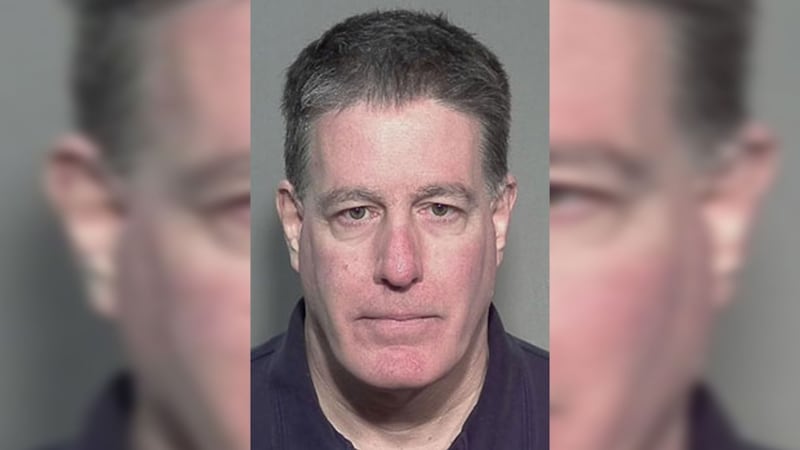
**The following is a review of the Netflix series ‘Who Killed the Montreal Expos?’ All opinions are those of the author himself. It’s been over 20 years since Major League Baseball’s Expos left Montreal, and judging by the men and women crying on camera in Netflix’s latest sports doc, Who Killed the Montreal Expos?, the pain is still there. The film does its best to live up to its title, and to give Expos fans the villain they’ve always wanted. From the start, he comes in the form of David Samson. The club’s former de facto president, now 20 years wiser, takes centre stage as one of the documentary’s guides through the brutal demise of the Expos. However, the documentary isn’t a simple and clean verdict on who to blame for the team’s demise. It’s a sordid and complex telling of the blunders, malpractice, and deliberate deeds that murdered the Expos. Expos icons like Pedro Martinez and Felipe Alou, and journalists Jeremy Filosa and Jeff Blair, add to the cast of characters that vividly narrate what fans lived through. Those looking for a trip down nostalgia lane and a look through rose (or should I say Youppi! orange) coloured glasses should go somewhere else. While the images and archival footage will remind you of better times, you will spend much more time being hit in the head with the blunt truth of Expos misery. Director Jean-Francois Poisson rightfully puts nostalgia in the back seat and delivers a frenetic and forensic history lesson on the Montreal Expos. The doc is so fast-paced, you won’t have time to be nostalgic until after the credits have rolled. Poisson’s vision is a 90-minute, relentless yet satisfying gut-punch. As someone who lived and breathed the Montreal Expos for his entire life, it’s the film Expos fans deserve. While the film desperately searches for the “who” responsible for the death of the Expos, it manages to squeeze in the many “whats” that should also share in the blame. One of the documentary’s most effective supercuts exposes the club’s longtime home, the Olympic Stadium. Archival footage of the collapsed bowels of the Big O, mixed with David Samson’s exasperated descriptions and facial expressions, makes the devastating case against the brainchild of French architect Roger Taillibert. Even if, ultimately, the stadium escapes a guilty verdict, it provides even the most diehard of Expos fans with archival footage they’ve probably never seen. Those looking for suspects in the whodunit murder of the Expos will be satisfied. Claude Brochu, who also sat down for the film and features prominently throughout, does not escape scrutiny, along with the minority owners who dropped the ball when the club needed them most. While the film offers its verdict, it leaves the door wide open for those who lived through the death of the Expos in the seats of Olympic Stadium to make up their own minds as well. Thanks to smart editing and clever use of graphics and timelines, the film weaves its way back and forth through history to provide as much perspective as possible. Those who want to affix blame on the Expos’ demise should also take a hard look at those who refused to participate in the documentary: Former Quebec Premier Lucien Bouchard and a slew of Quebec, Inc. figures all passed on interviews — and history should be tougher on them in retrospect. If Who Killed the Montreal Expos? fails anywhere, it’s in the inherent contradiction between where it puts blame and the film’s concluding message that hope springs eternal for a return of the Expos to Montreal. If we are to go along with the premise that American-style greed is responsible, yet beneath it was the Quebec culture that made the Expos the most unique franchise in professional baseball, there cannot be any hope that the team will come back. Quebecers are going to have to wrestle with that if they want to move forward with a serious attempt to bring the Expos back to Montreal. That said, the film does, in fact, provide Expos fans with the most hope they’ve had for the Expos’ return in ages. Coupled with a Blue Jays’ World Series run that has given even more Quebecers baseball fever, hope does spring eternal for Nos Amours. Elias Makos worked in media relations for the Montreal Expos from 2002 to 2004.