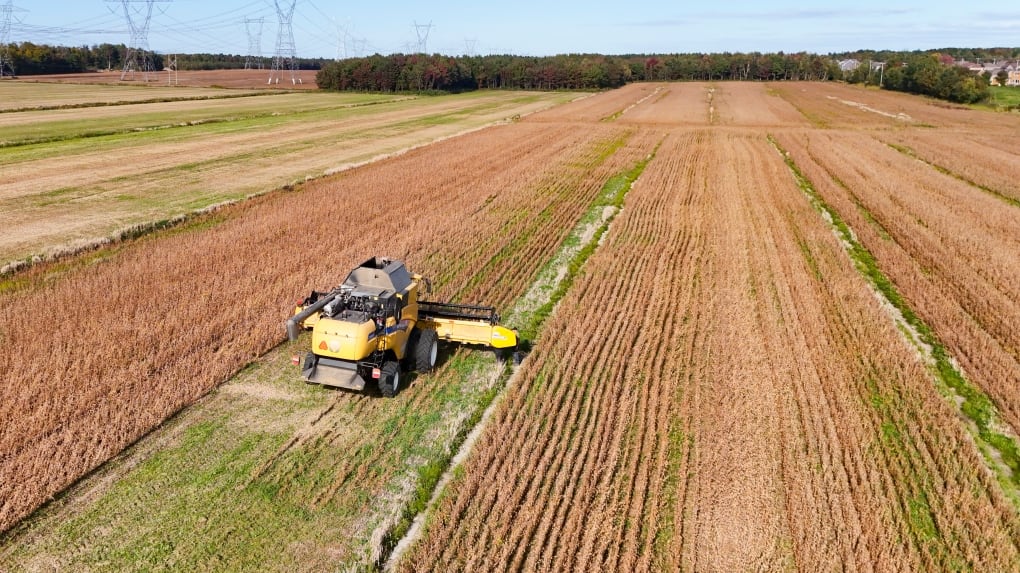
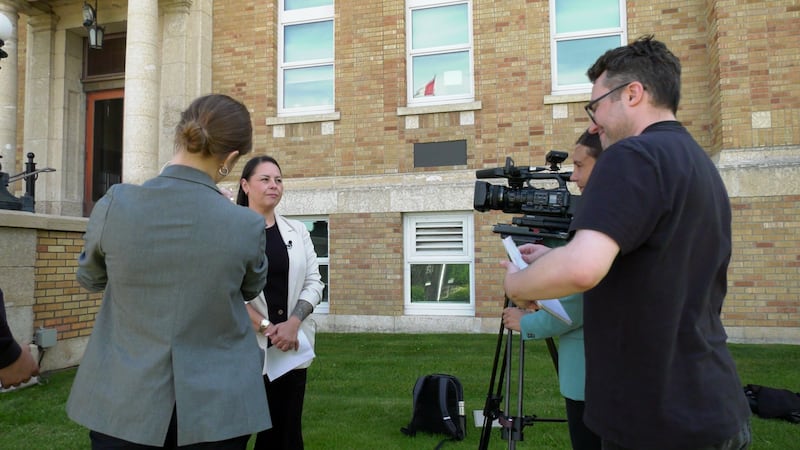
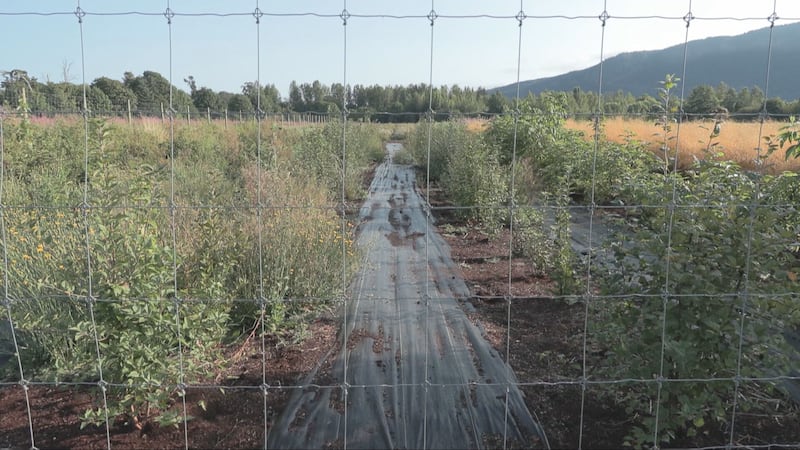
Agriculture Minister André Lamontagne presented a new bill on Thursday, which aims to curb the loss of arable land in Quebec, marking the most significant revision of the Act respecting the preservation of agricultural land and activities since 1978. Bill 86 aims in particular to combat the purchase of land by foreign investors. It proposes measures to better monitor and regulate transactions made by non-farmers. It would also promote agritourism, better recognize regional specificities and improve the authorization process of the Commission de protection du territoire agricole du Québec (CPTAQ). At a press conference at the National Assembly on Thursday, Lamontagne explained that his bill was the result of a major consultation in which 500 stakeholders took part and which lasted one year. According to him, a “broad consensus” emerged from this consultation, so that from now on, and until the adoption of the law, the following prohibitions apply: When the bill is adopted, all transactions on agricultural land will be listed. For example, it will be impossible for an investment fund to purchase agricultural land unless it obtains authorization from the CPTAQ, Lamontagne stated. The purchase of agricultural land around urban perimeters by non-farmers would also be regulated by the commission. “The first intention is to ensure, when someone buys farmland, that our agriculture and our next generation benefit, that Quebecers ... benefit by increasing our food autonomy,'' the minister said. “That is the prism through which any transaction must be considered.” On Thursday, Union des producteurs agricoles (UPA) president Martin Caron welcomed the tabling of Bill 86. He said at a press conference with the minister that Quebec had a ratio of only 0.24 hectares of crops per inhabitant. Currently, only two per cent of the total surface area of Quebec is cultivated. “There is a scarcity of land here in Quebec,” said Caron. “It is important to protect farmland and agricultural activities, because they are our pantry.” Lamontagne took the opportunity to announce that Hydro-Québec is currently discussing an agreement with the UPA to regulate the development of wind turbines in agricultural land. Québec solidaire (QS) praised the minister's work, calling his legislation a “great step forward.” “A major gain is the farmland sales register, which has been requested by stakeholders for years,” said MNA Alejandra Zaga Mendez. “There is also an interesting opening in this bill to curb land grabbing by real estate speculators. This is necessary to protect the next generation of farmers and our common pantry.” The bill was also well received by Équiterre, the Fédération de la relève agricole du Québec (FRAQ), and Vivre en Ville and Protec-Terre, which form the Alliance SaluTERRE. “The Alliance welcomes the inclusion of a mechanism for monitoring land transactions concerning agricultural land. Time is running out for us to gain more clarity on these transactions in order to curb land grabbing and speculation,” the alliance said. Its members, however, state that they will remain “vigilant regarding its implementation and the adoption of future regulations that will be crucial to ensuring its effectiveness in all regions of Quebec.” This report by The Canadian Press was first published in French on Dec. 5, 2024.