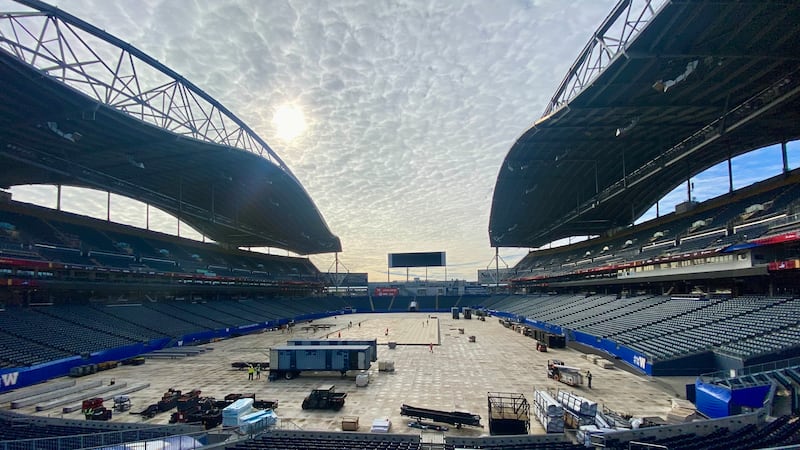
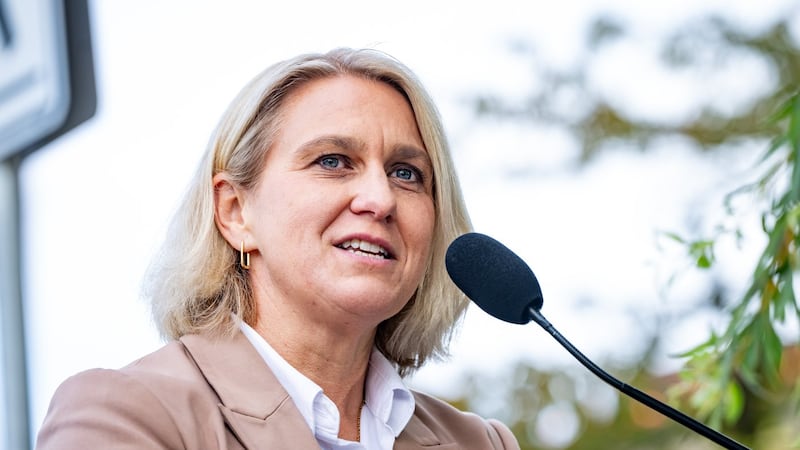
A half century ago, the 1976 Montreal Olympics opening ceremony kicked off. On Friday, Tourism Minister Amélie Dionne announced further investment in the oft-repaired structure that was the symbolic heart of the games but became a textbook example of how not to execute an infrastructure project, often called the “Big Owe”. The stadium is currently undergoing an $870-million repair and restoration project, which began in 2024 and includes replacing the massive canvas roof and technical ring. The next phase includes redesigning the seating to bring fans closer to the field and adding premium suites. The lower bowl will reportedly be reconfigured into a rectangular layout to surround a football or soccer field, with washrooms and food concessions also getting an upgrade. The government did not reveal an estimated cost for the interior renovation. The Olympic Park has been mandated to negotiate contributions from private partners over the coming months to help cover the cost of the seating and hospitality areas work, the government said in a release. “Today, we are taking another important step toward an Olympic Stadium built for the future. Right now, there is no other venue here capable of hosting more than 20,000 spectators for major international tours. Quebec deserves a modern facility to host those tours, as well as major sporting, cultural and entertainment events,” Dionne said in a statement. “Let’s not forget this is the only large covered stadium in eastern Canada that can hold more than 50,000 people for major international tours. Given market interest in a modernized venue, our stadium has everything it needs to become a major driver of prosperity for Quebec.” A tourism boom Tourism Montreal and the East Montreal Chamber of Commerce believe the Olympic Stadium’s interior revamp will allow the iconic structure to become an “engine of economic development” in the eastern part of the city. “We are finally realizing our ambitions. After several decades of waiting, the stadium will finally be able to fully realize its potential as a world-class infrastructure and allow Montreal to compete with the largest North American metropolises,” said Chamber president and CEO Jean-Denis Charest. Tourism Montreal says the investment in the stadium and surrounding Olympic Park will be a turning point for Montreal’s ability to attract major events. Montreal, notably, missed out on the Taylor Swift Eras Tour and any chance of hosting World Cup games due to the stadium’s state. “Cities that invest in their infrastructure attract major events,” said Tourism Montreal CEO and president Yves Lalumière. “Others watch the economic and tourism benefits go elsewhere. With this modernization, Montreal is giving itself the means to be an essential destination for event tourism.” The chamber expects the economic benefits of the revitalization to be around $1.5 billion in the decade after completion. “With this announcement, the Quebec government is providing predictability to partners interested in establishing or developing their operations around the stadium and, consequently, will give the Olympic Park team the means to realize several major commercial projects,” said Charest. “Furthermore, the Chamber is confident that today’s announcement paves the way for ensuring the future of CF Montreal in the metropolis.” Tourism Montreal says that Taylor Swift’s six concert dates in Toronto generated $282 million, with over 93 per cent of that money coming from visitors who travelled to the Ontario capital. Celine Dion’s 16 concerts in Paris, Tourism Montreal says, will draw almost half a million fans and are expected to generate around 500 million euros (over $800 million CAD). The two organizations feel that the Olympic Park modernization will help develop Montreal’s east end. In addition, CF Montreal, which plays home games at the open-air Stade Saputo, will be eager to move to a pitch with a closed roof as MLS switches to a winter schedule next season. “This marks an important milestone and reflects a commitment to providing the province of Quebec with sports and entertainment infrastructure that matches its ambitions,” the team said in a statement. “We commend the Government of Quebec and the Olympic Park for the work accomplished to date... We remain convinced that a modern stadium is a key component in the continued growth and development of professional soccer in Montreal and across Quebec.” With files from The Canadian Press