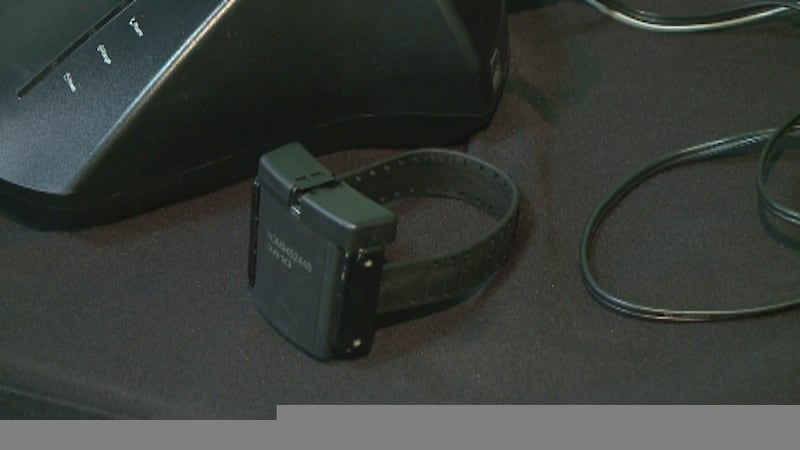
Although he does not wish to be identified as a “feminist,” CAQ leadership hopeful Bernard Drainville insists he is a “strong supporter of gender equality.” He is betting that his proposals on home ownership and in vitro fertilization will attract women to the Coalition Avenir Quebec (CAQ). Drainville has also committed to achieving gender parity in terms of candidates in the next elections in October 2026 if he is elected leader of his party. “But not just parity. I have made a commitment that we will also have candidates under the age of 30. So it could be young men, but it could also be young women,” he explained in an interview with The Canadian Press. It has been shown that women can be more reluctant to enter politics. How does the aspiring leader plan to convince them to join the CAQ? He believes that the proposals he put forward during the race will help. Drainville cites as examples his willingness to help first-time buyers of new properties and to fund up to three cycles of in vitro fertilization. “These are the kinds of proposals that could attract young women because they will enable couples and first-time buyers to purchase a property (...) and could enable young couples to fulfil their dream of becoming parents,” he explained. With its poll numbers in decline, the CAQ will have its work cut out for it to win back Quebec voters. The latest Léger poll published this week shows that the party has only 11 per cent support among women. There have been seven femicides in Quebec since the beginning of 2026. Like his opponent in the race, Christine Fréchette, Drainville is in favour of the “Clare’s Law” bill, which will allow women to find out about their partner’s history of domestic violence. Public Safety Minister Ian Lafrenière has committed to implementing this measure. “The CAQ government has made some progress, notably with the introduction of anti-approach bracelets. So we must also promote this type of measure that will protect women against sexual and domestic violence, and this could also be an argument to put forward to a potential candidate,” said Drainville. Faced with the rise of masculinist discourse among young people, Drainville points out that with Bill 94, he had “the obligation to behave in a manner that respects equality between men and women” written into the student code of conduct. “This concerns me greatly,” he adds. But the aspiring CAQ leader refuses to call himself a feminist. “I don’t want to be a prisoner of any definition,” he argues. “I have been exposed to the battle for equality in many different ways, and so I am a fervent supporter of this struggle for equality between men and women.” He also claims to have fought for this equality, “particularly in the area of secularism.” Is the National Assembly a sexist environment, as some observers have claimed? Drainville answers this question in the negative, but acknowledges that there may have been “shortcomings” in the past. “I have not witnessed sexist or misogynistic behaviour on the part of my colleagues, regardless of their party affiliation. And I think that if there had been any, it would have been quickly denounced. I think that any man who showed disrespect towards a female Member of the National Assembly would have been quickly put in his place by the other men, if not by the other women,” he argued. The Canadian Press spoke with François Legault’s two aspiring successors on International Women’s Day on 8 March to find out where they stand on women’s issues. The interview with Christine Fréchette is the subject of another article. This report by The Canadian Press was first published in French on March 7, 2026.