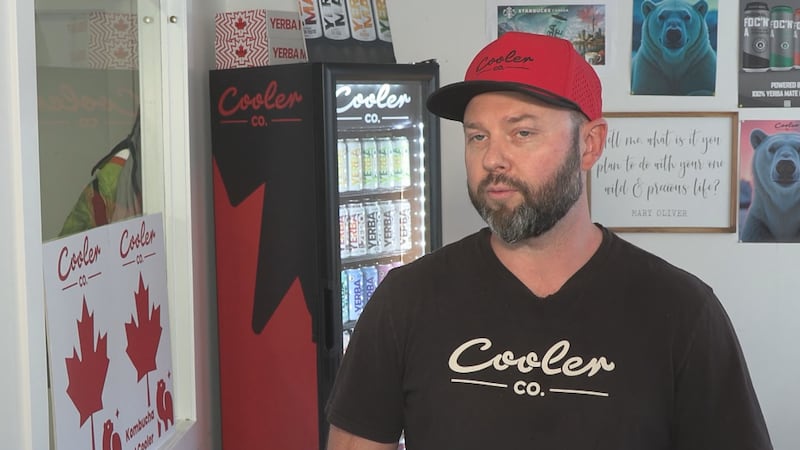
The Kanien’kehá:ka (Mohawk) community south of Montreal is again calling out the Quebec government over its imposition of French-language laws in education. Mohawk Council of Kahnawà:ke (MCK) Grand Chief Cody Diabo said the proposed expansion of the province’s French Language Charter (Bill 101) is giving “a little bit of PTSD” from past legislation that limited his community members’ access to education because of language. “Kahnawake First Nations people are not Quebec citizens,” he said. “This constant overture of legislating over First Nations needs to stop, and there needs to be proper separations in that sense, and staying in each other’s lanes.” Though Kahnawake has primary, secondary and adult learning schools on the territory, many leave to pursue higher education, including a sizable number that opt for vocational training. The Nova Career Centre in neighbouring Chateauguay is a popular destination for vocational training. “We need to leave Kahnawake in order to expand our education, and because of the already existing roadblocks put in place because of French language requirements, we have to go to Ontario, but then, because we get educated in Ontario, for some reason, Quebec won’t recognize that until you pass French exam,” said Diabo. The community has a long history of protesting Quebec’s French-language laws. The Kahnawake Survival School was founded in 1978 after students walked out of class at Howard S. Billings School in Chateauguay in protest of the original Bill 101 under Premier René Lévesque’s Parti Québécois government. Quebec French Language Minister Jean-François Roberge introduced the bill on Thursday, stating that the initiative would transfer 27,000 students from the English-language system to the French. The bill has not passed, and the legislative session ends June 12. The MCK has “serious concerns” that Indigenous people’s rights in the province will be affected. The Kanien’kehá:ka are not the only Indigenous people whose colonial language is English, Diabo said, as many Cree, Mi’gmaq, Innu and Naskapi people also speak English. “And even speaking with other chiefs and communities at AFNQL, who primarily speak French and their own language, it’s still the imposition,” he added. “You should be free to speak whatever language you want to speak. It shouldn’t be you’re told this is the language you have to speak.” Diabo said that the MCK has a decent relationship with the CAQ government, particularly Minister Responsible for Relations with the First Nations and the Inuit, Ian Lafrenière. The two governments signed a memorandum of understanding in 2024 and Diabo remains hopeful that a solution can be found. First, Diabo would like certification from other provinces recognized in Quebec and that Indigenous people be excluded from any French language charter rules. “Education is a right for everybody,” said Diabo. “[It’s] almost a call to the federal government.. They can’t just sit idly by anymore, too, because we’re also seeing that their own citizens’ rights and freedoms are being trampled over for the sake of one language.”