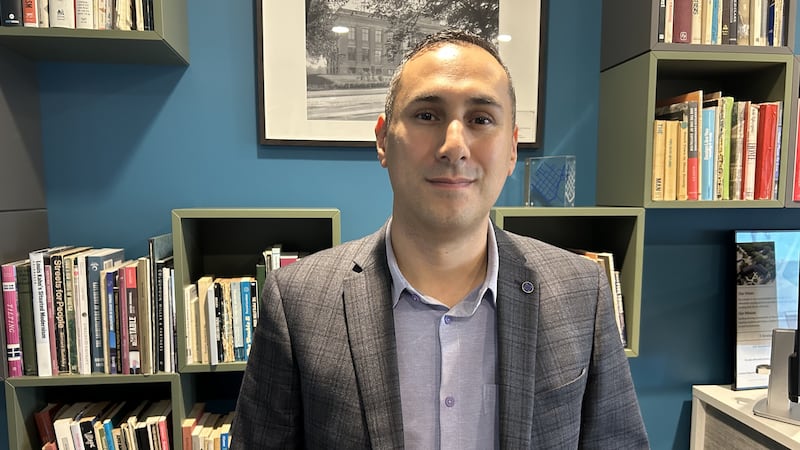
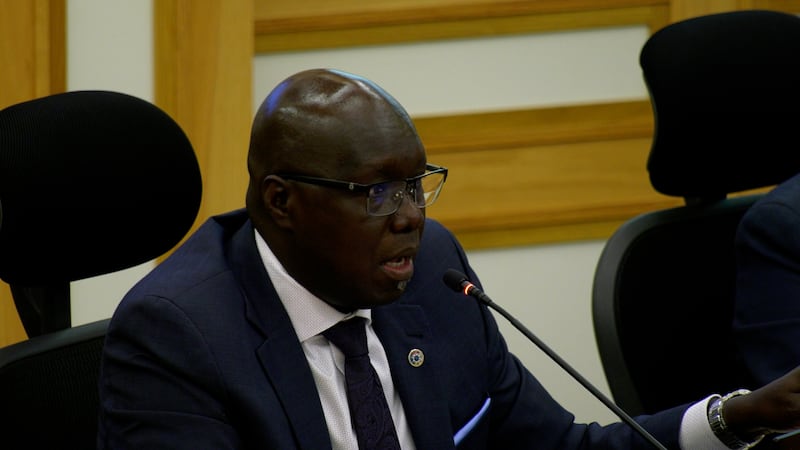
Concerns are being raised by local leaders in communities across southwestern Ontario about the delivery of safer supply drugs through for-profit virtual appointments. Critics say the current model leads to opioids being dispersed into the wider communities. They’re asking the provincial government for more oversight of the program. Sarnia Mayor Mike Bradley is among those raising concerns. He says dangerous opioids are hitting the streets of his community, and that they’re coming, indirectly, from outlets that provide safer supply drugs to patients through virtual appointments. “But the real issue, what I’m hearing from professionals, people receiving whatever they receive under the safer supply program, and they decide to redistribute that, and in turn, create issues in communities, where it’s actually increasing illegal activities,” Bradley told CTV News. Bradley has written a letter to Health Minister and Deputy Premier Sylvia Jones, asking that the ministry review the delivery model. He writes, “reports indicate that high volumes of hydromorphone are being dispensed following virtual assessments, with limited in-person oversight or integrated supports.” “It’s how it’s being handled after some people receive it,” Bradley explained. “This has been an issue in London; it’s been an issue in Windsor.” London North Centre MPP Terence Kernaghan (NDP) has also raised concerns, saying the delivery model favours for-profit health providers at the expense of long-term recovery. “When we look at these pharmaceutical kiosks, there is really very little care for longitudinal care. There’s little care for recovery. This is a privatized for-profit model that we see the Ontario government has really turned a blind eye to,” said Kernaghan. The Ontario College of Physicians and Surgeons says physicians must now: London city councillor David Ferriera, who has also sounded the alarm over safer supply, says they’re positive changes, but don’t go far enough. “I think it should always be in person, because that will really slow things down, and that will kind of completely reduce or inhibit the profit side of this operation the way it’s kind of structured currently. But that in-person clinical assessment every three months is a big step forward,” Ferriera said. In the meantime, the Ontario Ministry of Health has issued a statement in response to Bradley’s concerns. It says, in part: To be absolutely clear, our government does not and will never support the distribution of tools to use illegal drugs including the predatory prescribing of addictive drugs that violates a physician’s obligations as set out by the College of Physicians and Surgeons of Ontario (CPSO). The statement went on to tout the government’s investments in wraparound supports, including the Homeless and Addiction Recovery Treatment Hub (HART Hub) in Lambton County, the province’s abstinence-based recovery model.