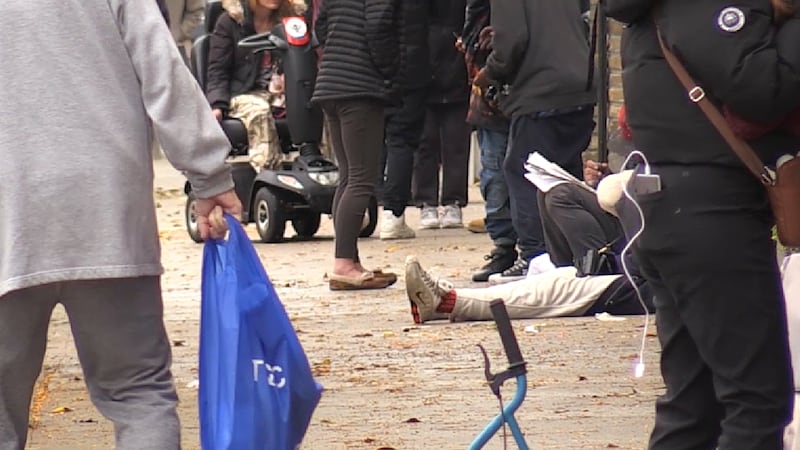
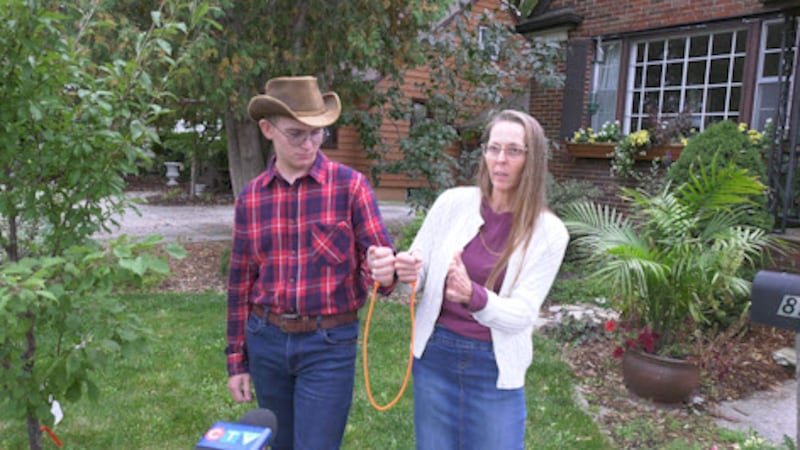
Longer nighttime walks to use a toilet could put already vulnerable women living in a homeless encampment at even greater risk. Less than a week after London City Council voted 9-6 to remove a stationary service depot that provided basic needs (food, water, and two portable toilets) at the homeless encampment in Watson Street Park, the sanitation devices are gone. “I think it’s inhumane, to be honest with you,” says Amanda, who lives in the encampment. “We have so many people down here that need use the bathrooms!” Earlier this month, city staff estimated there were 36 people living in the park. A 33-year-old woman named Shelley suggests the decision robs her of dignity. “I must either go get a bucket, put a bag over it and go in there, or dig a hole in the ground [and] cover it after I’m done,” she explains to CTV News. She says because children sometime pass by on the park’s bike path, she might have to venture deeper into the wooded area to ensure privacy, “I’m shocked. I don’t know where else they would expect us to go [to the washroom]!” City council’s decision to close the service depot and remove the portable toilets was made in response to a serious fire at a nearby encampment. There have also been mounting complaints from neighbours that the encampment has grown too large because basic needs were made available at the park. Instead, a mobile service depot will begin operating in May to deliver food, water, and other supports directly to people living unhoused. However, Shelley worries that without the centrally located portable toilets, women will be walking further in the dark each night or venturing deeper into the woods to relieve themselves. “It is scary down here at night, especially with abductions happening to the young girls,” she explains. “There’s a lot of people coming in and out of here at nighttime,” adds Amanda. A portable toilet that had been located a short walk away in Chelsea Green Park {near Adelaide Street) was also gone on Tuesday morning. Downriver, the public washrooms in Thames Park on Ridout Street were locked when CTV News checked. Civic administration referred questions about the washroom options available to encampment residents to London Cares, an agency that provides outreach. “We are working at mapping out locations for portapotties across the community to support (the) washroom concerns,” says Chantelle McDonald, Director of Service at London Cares. Until then, people living in Watson Park can access hygiene supports by travelling to The Commons (602 Queens Ave.), Ark Aid Street Mission (696 Dundas St. E.), and the Salvation Army Centre of Hope (281 Wellington Rd). Outreach workers continue to work with individuals within the Watson Street Park encampment daily with basic needs, connection to service, and housing readiness requirements. Shelley says the community of people living within the encampment need assistance until London has enough supportive housing. Taking away their bathroom doesn’t solve anything—they have no where else to go. “I just feel disgusted, I don’t think it’s right.” Here are the councillors who supported ceasing the operation of the Watson Street Park Service Depot, move to a mobile model, and assist in relocating people from the park to shelter/services: