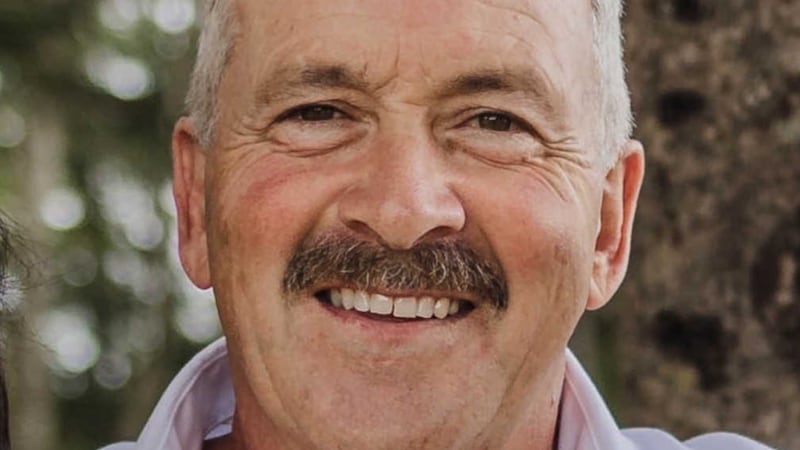
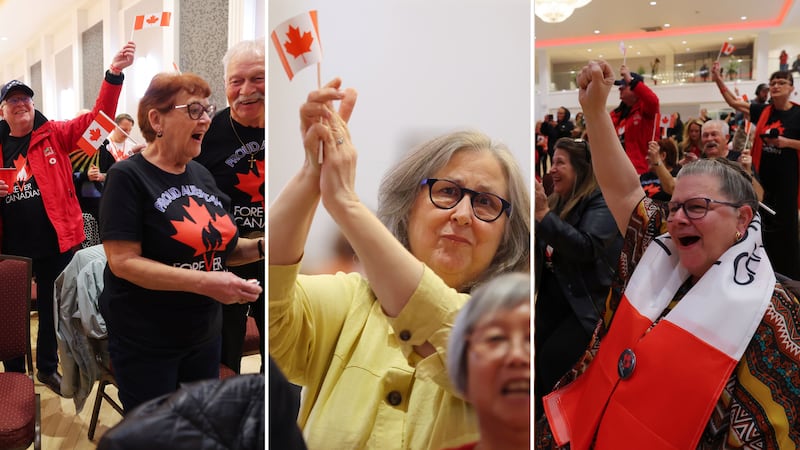
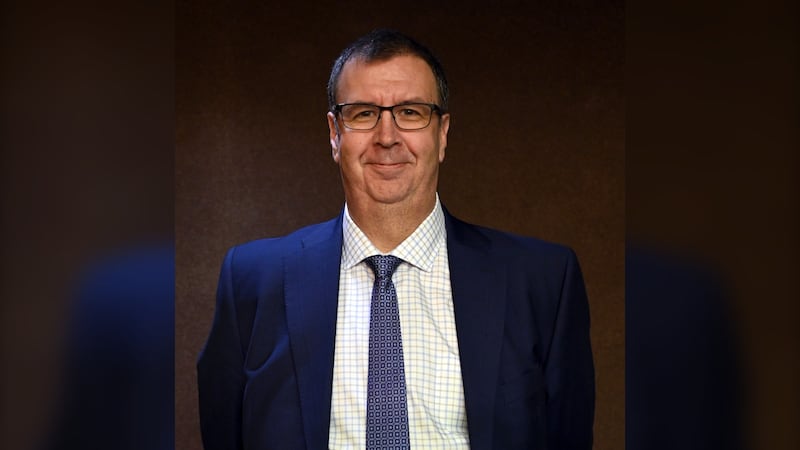
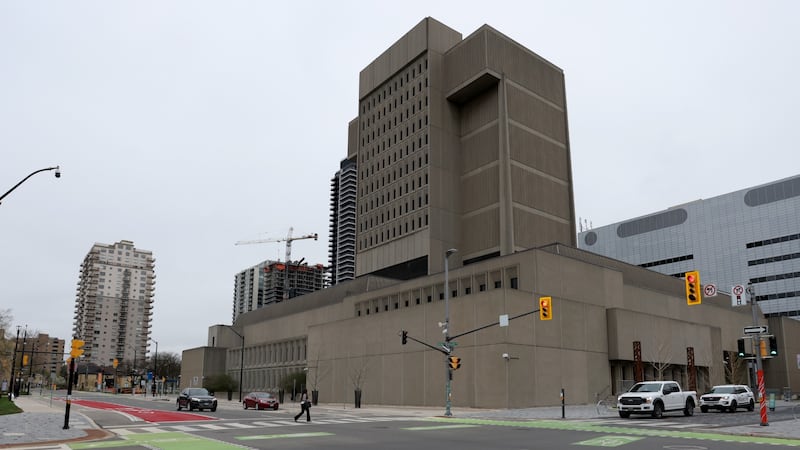
Coun. Elizabeth Peloza is providing a health update in her ongoing series about her cancer journey called Healing in the Public Eye. Tonight, she shares her milestone completing chemotherapy, and the start of radiation treatments. “It was a great day, I was never so excited to be having toxic chemicals put in me,” Elizabeth Peloza recalls about her final chemotherapy treatment. Peloza has been sharing her breast cancer journey with CTV News in a special series called Healing in the Public Eye. Recently, Peloza sat down to share her thoughts about reaching the milestone in her treatment. “I got to ring the bell that signals the end of chemo,” she said about the tradition of ringing a brass bell inside the Verspeeten Family Cancer Centre at the London Health Sciences Centre. “When anyone in that space rings the bell, the auditorium echoes with people clapping,” Peloza explains. “Everyone is celebrating with you because they are in that same place themselves or with a loved one.” She’s was also excited for the removal of a peripherally inserted central catheter, known as a PICC line, that delivered the chemotherapy drugs close to her heart. Running a finger over the small scar on the inside of her arm she explains, “I can now sleep comfortably, not worry about putting clothes on and catching it, and I can shower without having to bag it up.” However, ringing the bell and removing the PICC line isn’t the end of Peloza’s cancer treatments. “Everyone’s journey can include different things and can be in a different order,” she explains. “For me, it was the surgery first, then chemo, and now I’m going into radiation. For me, it’ll be 19 rounds of radiation.” Early in her radiation treatments, she’s mentally preparing for side effects. “I’ve been told it could feel like a sunburn, and then you keep going tanning every day,” Peloza said. She’s aware that patients can experience fatigue at various times during the treatments. However, each radiation treatment is much quicker than chemotherapy. “Radiation is super fast,” she explains. “The bed is already precisely set-up to your exact measurements (regarding) where they need to place you for treatment. You hop on the bed, it takes a couple minutes, and then off you go with your day.” Previously, chemotherapy treatments would require up to six hours at the cancer centre. “They put three really small dots on my body, which are a permanent tattoo that they use to align the machine when I go in for radiation treatment,” she explains. Asked if those were her first tattoos, she laughs. “I was never cool enough to have a tattoo, so now I’ve got my first, second, and third tattoo all at the same time,” Peloza said. She’s unsure whether to keep the tiny tattoos after her breast cancer journey is over. “They’ll be a reminder. But the (surgery) scars are another reminder whenever I look down.”