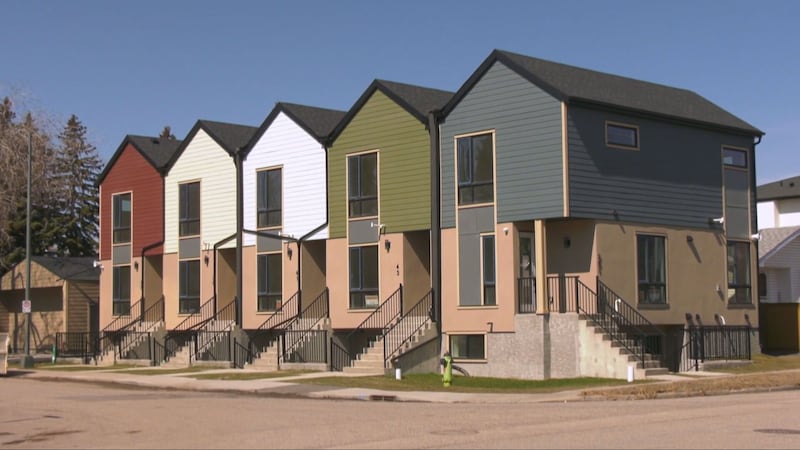
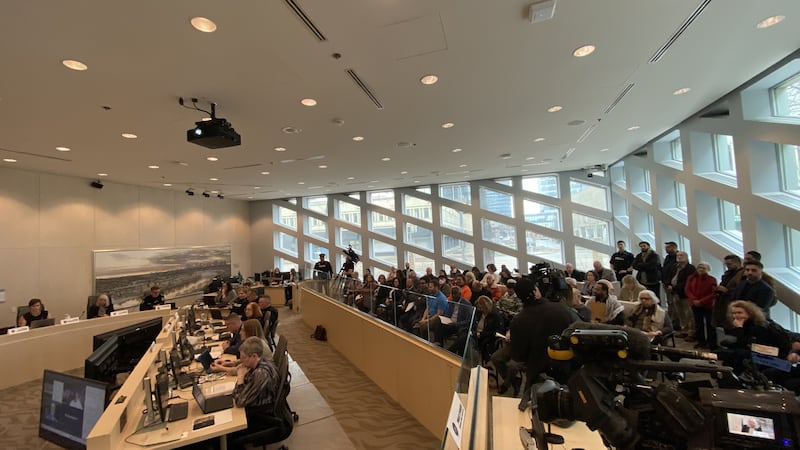
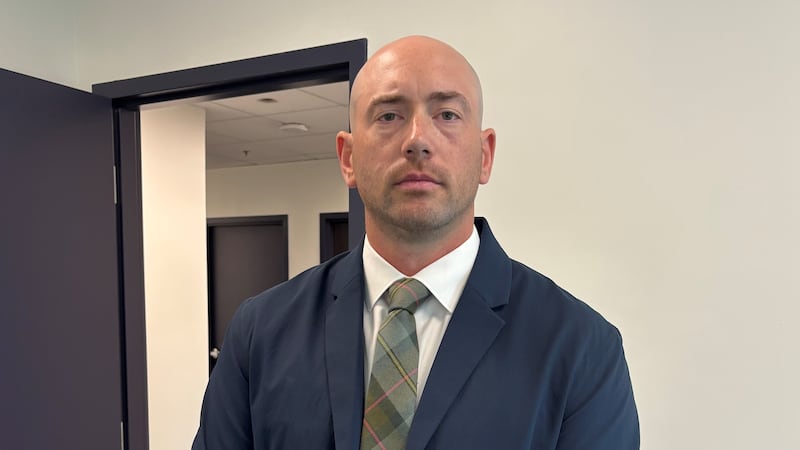
London’s recent building boom has seen higher-density developments spring up across the city, but Deputy Mayor Shawn Lewis believes some residential buildings haven’t included enough parking. In 2022, City Council reduced the required number of parking spaces in most higher-density residential developments to one spot for every two units. Lewis suggests the result has been persistent street parking in the adjacent neighbourhoods and higher vacancy rates among units that lack a parking spot. “What we are seeing is development is starting to rely on street parking as the solution to how we’re going to park cars for people living in these units,” he told CTV News. The deputy mayor intends to bring forward a motion that would amend the minimum parking required in City Hall’s planning policies, “On high-density developments going back to a 1-to-1 ratio (one parking spot for every unit), with the exception of where we’re right on the Rapid Transit Corridor or where we’re [building] affordable housing.” London’s minimum parking rule means developers can propose higher parking levels within their planning applications—but not less. However, Mary Ann Hodge of Climate Action London points to the city’s new Mobility Master Plan, and its goal of reducing the percentage of trips made by automobile over the next 25 years. She said the impact of having fewer parking spots in buildings constructed outside the downtown core and along Rapid Transit Corridors would be alleviated by improving local bus service. “If City Council is not approving transit upgrades or more funding for transit, then there’s of course going to be conflict in neighborhoods because they aren’t giving people the option [to use transit] like they want,” Hodge argued. She asserted that there’s a growing market, particularly among young adults, for residential units without parking, “We’re trying to make housing more affordable, but adding that extra parking makes things more expensive.” The deputy mayor suggests insufficient parking is actually contributing to vacancy rates. “Somebody who needs that car to get to and from work every day is not going to rent an apartment if they don’t know where they’re going to park,” he said. “So, it is creating a bit of an issue in the market. I think it is contributing to the vacancy rates.” In 2022, Lewis was among the members of City Council who voted to reduce minimum parking standards to their current levels. He said the intent was to let developers decide how much parking the market demanded in their higher-density buildings, “It wasn’t intended to be a cost saving measure for them. It was intended to not create more parking than we needed, but what we’re seeing is they’re not creating enough parking for people.” Lewis will be bringing forward a motion to increase the minimum parking requirement to a future meeting of the Planning and Environment Committee.