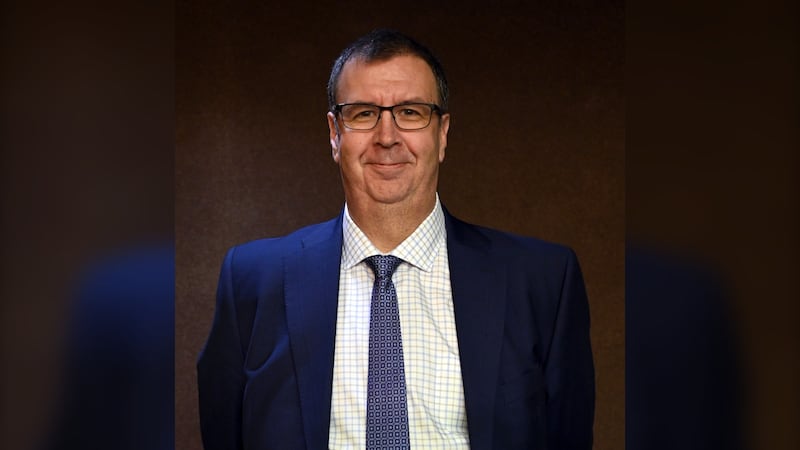
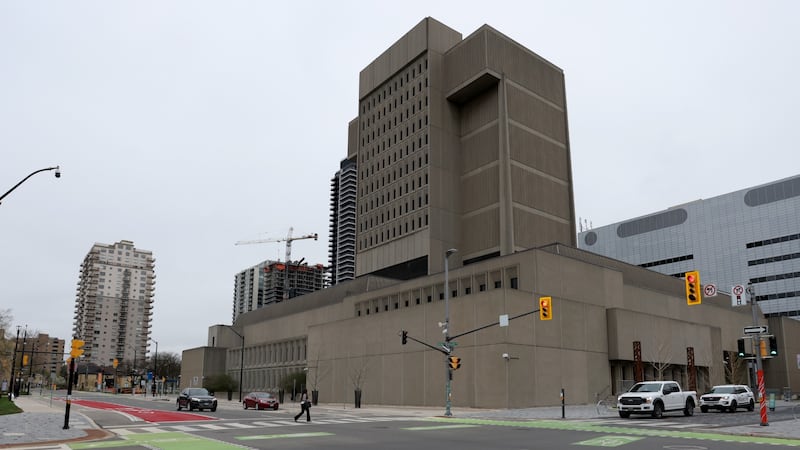
The chief of Chippewas of the Thames First Nation (COTTFN) is advocating for stronger economic ties with neighbouring municipalities, including the potential to purchase developable land within the City of London. On Dec. 16, 2025, London Mayor Josh Morgan told council about recent talks with Chief Joe Miskokomon of COTTFN. “The chief and I have been having discussions about partnerships on housing and economic development,” he said. Morgan’s comments came during a discussion about expanding London’s urban growth boundary (UGB), a powerful planning tool that prevents sprawl by limiting where new development can take place within the city. “New provincial rules contemplate a privately initiated process to bring land into the urban growth boundary, so we will have to create one of those,” the mayor told CTV News. “But what we’re also creating is a special process, for Indigenous communities to be able to apply to bring in land to partner on housing or for economic reasons. It’s to respect their treaty rights and also the ability to engage directly with us on bringing land into Indigenous ownership within the city.” Chief Miskokomon tells CTV News the time has come to think regionally. “Far too often we’ve been at a position of competition and confrontation. That day is over as far as I’m concerned. We need to put the past behind. We need now to look to the future on what is the best development for all of our people,” he said. He believes the regional partnership should first focus on infrastructure, followed closely by energy. “It would grow southwestern Ontario to the benefit of not only London or Chippewas of the Thames First Nation, but would include Strathroy, St. Thomas, Woodstock, and have a regional economy. A regional growth strategy, looking at what would be the impact of having an Aboriginal special economic zone within southwestern Ontario,” Miskokomon explained. He emphasizes the importance of protecting animal habitat and natural buffer zones around the river from development but also points to economic opportunities in south London that are connected to the 401, 402 and 403 corridors. “How do we grow an economic base collectively? So that we both prosper from this design and development and strategy,” the chief added. City staff will update council on the new processes for adjusting the UGB in 2026.