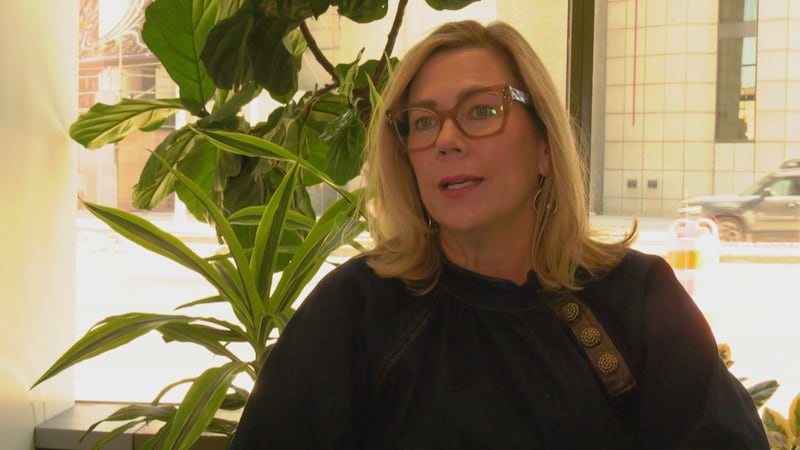
Many Canadians are holding their thoughts back at work – not because they don’t have ideas, but they’re afraid to be seen, according to one expert. Certified career strategist Chi-Chi Egbo says fear is what silences so many workers in during meetings, reviews and in day-to-day communication with managers. “People tend to stay quiet at work because they’re afraid of being judged, dismissed and facing negative consequences,” Egbo said in an interview with CTV’s Your Morning Wednesday. She added that it’s especially true for people who are new to the organization. “They want to put their feelers out there. They don’t want to start too bold. Also, for people who are underrepresented and marginalized, they want to make sure they don’t say the wrong thing.” Egbo calls it the “fear of visibility.” Many employees worry about how they’ll be perceived if they speak up – that their ideas won’t sound polished enough, or that a misstep could affect how colleagues view them, according to Egbo. But the silence, she adds, can stall both confidence and career growth Why speaking up matters Egbo says using your voice isn’t just about appearing confident – it’s a key part of professional development. “When you speak up to your manager about what your interests are, what your ideas are, and you put your voice out there, it’s going to hopefully open the door for more opportunities around development, mentorship and life changing career opportunities,” she said. As for workplaces, openness also strengthens teams, Egbo explained. “When people are open and transparent and have a culture where people can share their ideas and even confront challenging situations openly, that leads to more higher cohesion, higher morale, and also innovation and resiliency,” she said. Still, many employees hesitate to test those waters. A 2024 Express Employment Professionals survey found that while 70 per cent of Canadian job seekers feel their workplaces encourage honest communication, only 40 per cent feel comfortable talking to their managers about personal issues that are affecting their work. Finding your voice, creating safer spaces For workers looking to build confidence, Egbo recommends starting small. “Maybe (a) weekly team meeting with people you’re comfortable with (and) start sharing your ideas,” she suggested. Egbo also advises to use “I” statements. “When you’re using (these) statements, ‘I want to do this,’ ‘I recommend that,’ you’re putting in a sense of power and authority in your voice,” she said. Prepare notes ahead of challenging situations or when you want to provide constructive feedback, according to Egbo. She also advises to choose your moments wisely. “Don’t do it when you’re highly emotional and also do it in private settings, especially if it’s around constructive feedback,” she said. “Don’t wait too long.” Egbo also cautions against downplaying your perspective with qualifiers like “This might sound silly,” and “I think,” adding that tailoring your communication style and language to your audience. But “psychological safety” isn’t just an employee’s job, she points out – it’s a leadership responsibility. “If you are a manager, solicit feedback, talk about how you want to get feedback, and if you receive that constructive feedback, be okay with it,” she said. “The best leaders are the vulnerable ones who show up with challenges and talk about their challenges, even highlight their weaknesses and create a team morale where everyone can openly share their ideas in a team meeting,” she added. According to Egbo, managers should also recognize who hasn’t spoke up and check in on them in a one-to-one meeting to see if they need support and advice around using their voice more confidently.