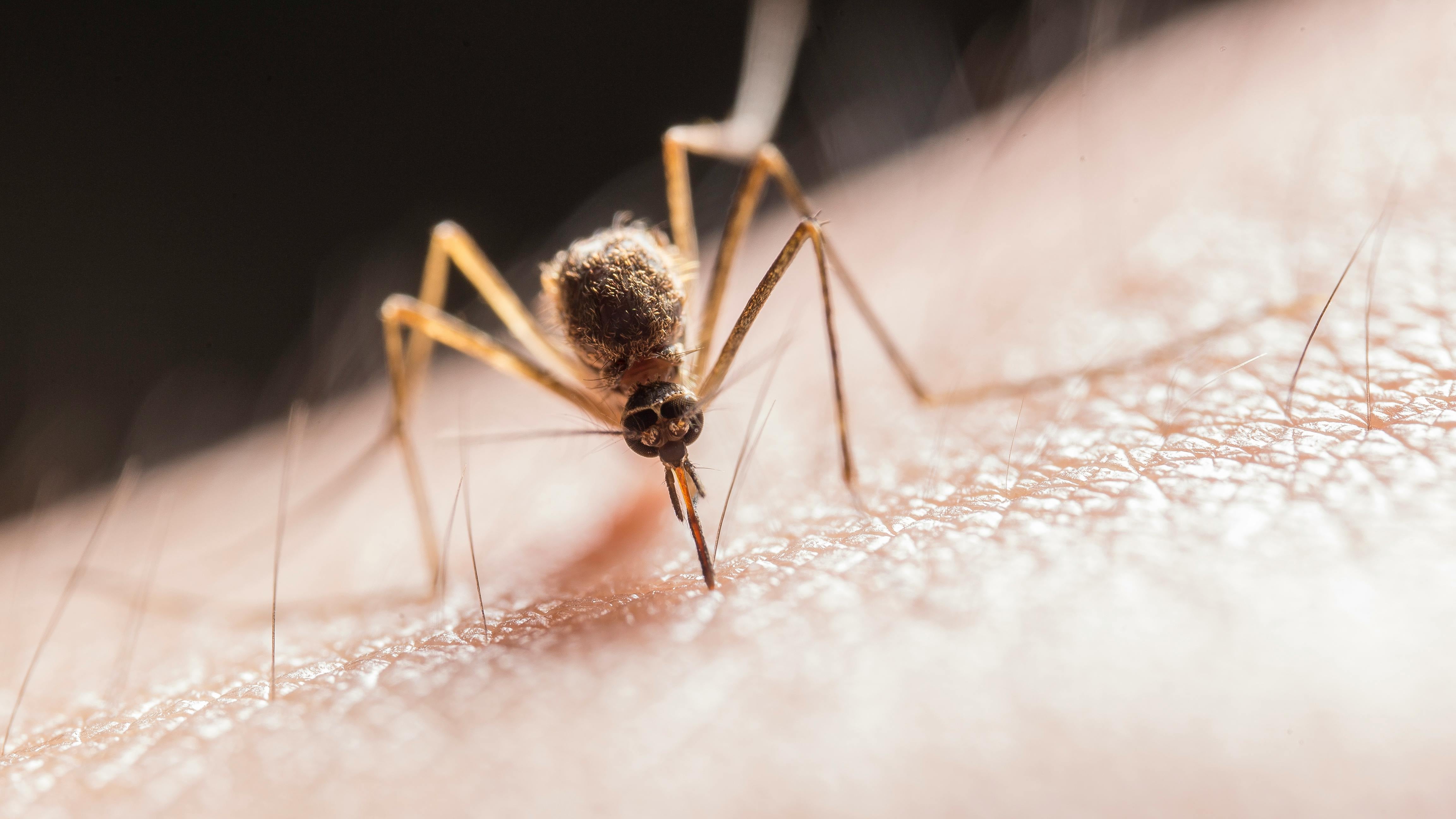
Mosquitoes carrying West Nile virus may be in the Guelph area. A dead crow found within the city has recently tested positive for the virus, but there are no known human cases in the region. West Nile virus can spread through the bite of an infected mosquito. Once bitten, symptoms can start within two to 14 days. However, medical officials said most people infected with West Nile virus will not develop symptoms. Someone who does exhibit symptoms may have a fever, headache and body aches. They may feel fatigued or nauseated. In serious cases, inflammation of the brain or spinal cord is possible. “Although the risk in our region is low, [West Nile virus] is still present and people should stay vigilant,” Dr. Matthew Tenenbaum, Associate Medical Officer of Health for Wellington-Dufferin-Guelph Public Health, said on Tuesday. “We continue to monitor and control local mosquito populations, but it is important for everyone to take the basic steps that help prevent mosquito bites.” To reduce the risk of contracting West Nile virus, residents are urged to wear light-coloured clothing while outside, cover up as much as possible, use Health Canada-approved mosquito repellent, repair windows and door screens and drain standing water from properties.