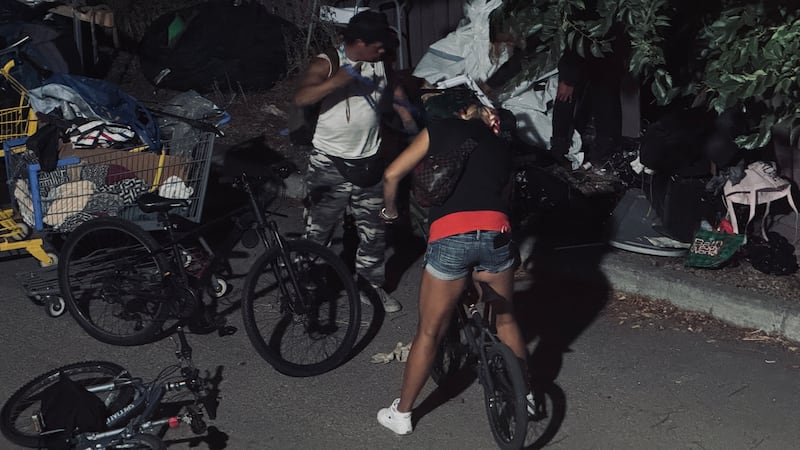
A shelter shortfall for women facing homelessness in Waterloo region has one organization pleading for change and a boost in resources. YWCA Cambridge opened the city’s first and only women’s emergency homeless shelter one year ago. Rather than celebrating the anniversary, the organization said it’s sounding the alarm. “The first year has been a reckoning,” CEO Kim Decker said in a news release. “Our 20 beds are a lifeline, but they are not a solution to the systemic failures that are pushing women into homelessness.” The organization said it’s been operating at or near capacity since it first opened. Since August, shelter staff have had to reject 160 requests for service because of a lack of space. “It could be one woman who calls us one or two, three times a day in a row to see whether or not we have any space,” Decker said in an interview with CTV News on Thursday. Decker also said the shelter is seeing more women over 50 experiencing homelessness for the first time, as well as an over-representation of Indigenous peoples. “There are things that we have seen that need to be addressed, and one of them is the inequity in services for women in the region.” YWCA Cambridge isn’t the only organization noticing the gap. “The needs are great in our community,” said Jennifer Hutton, the CEO of Women’s Crisis Services of Waterloo Region. Hutton said aside from a lack of women-only shelter spaces, the inability to access affordable housing is a major roadblock. “That means that people stay in shelters for longer and longer time periods, and then there might be less spaces to get in to emergency beds when that’s needed,” she said. According to Decker, in Waterloo region, there are only 42 emergency shelter beds for women, including the 20 beds at YWCA Cambridge’s shelter. On a more positive note, Decker said 20 per cent of clients were successful in transitioning out of the shelter system. As part of its year-in-review, the organization is calling on all levels of government for an immediate investment in housing, including drop-in spaces, affordable housing and a dedicated family shelter for women and children. “We have proven that 24/7, trauma-informed, wrap-around support works,” Decker said in the release. ”It builds the trust necessary for women to move toward stability." “But we cannot move women through the system if there is nowhere for them to go. We need more than just emergency beds; we need a community-wide commitment to meaningful, permanent housing solutions.” The shelter temporarily operates out of the basement of Grace Bible Church, however, YWCA Cambridge said it’s still looking to secure a permanent space. “We want to spend some time looking at whether or not there’s some opportunity to look at some kind of transitional housing for women in our community as well,” Decker added.