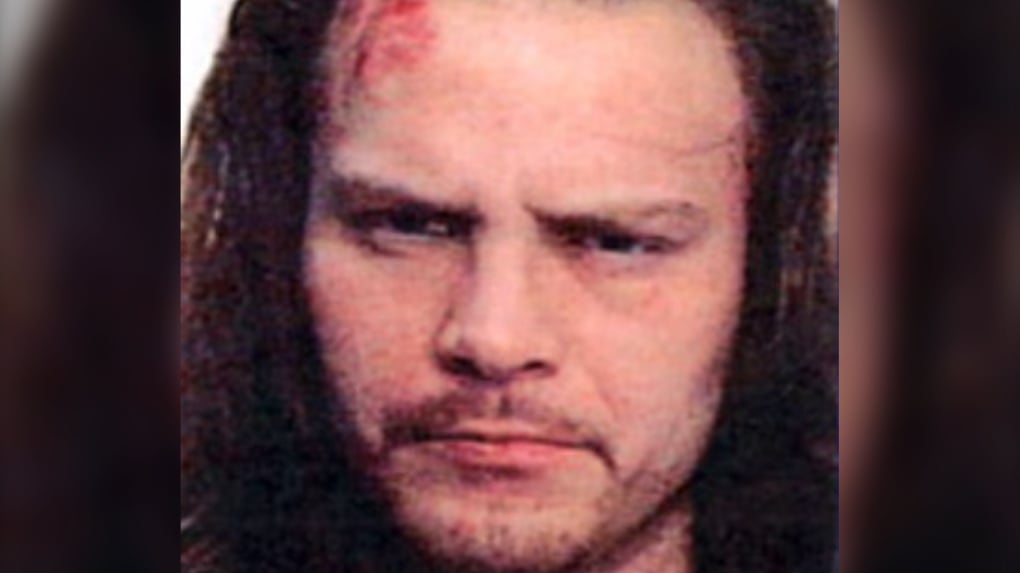
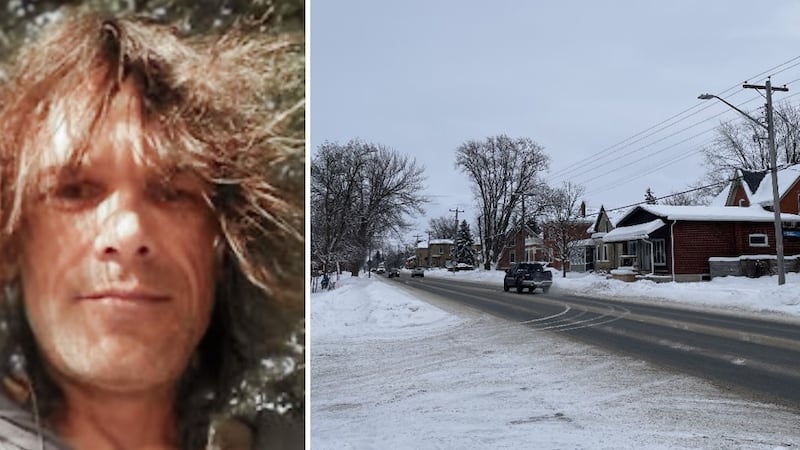
Leo Teskey, who beat and caused an Edmonton landlord severe brain damage two decades ago, was denied full and day parole on Wednesday. Teskey, 53, is serving an indeterminate sentence as a dangerous offender after being convicted of aggravated assault. The Parole Board of Canada concluded that while Teskey has "made considerable progress addressing [his] risk factors there are some significant ongoing concerns." Teskey appears to accept responsibility for his history of violence, understand the harm he caused, and not want to hurt anyone else, the board found. Teskey has been violent toward strangers and spouses, as well as a police officer, who he shot in the back of the head in 1989, the parole board noted. But it also recognized that other than stabbing another inmate in 2020, Teskey has not been violent for several years. However, the board pointed out, the 2002 Edmonton assault caused profound harm. The victim, 61-year-old Dougald Miller, was left with "devastating injuries" which meant he needed to be cared for until he died prematurely. Assessments have rated Teskey's risk of reoffending high. Additionally, the board heard there were "continuing concerns" with Teskey diverting or misusing medication and following institutional rules, which made the two-person parole panel doubt his ability to follow the rules at a less structured place, like a half-way house. "When considered in light of the nature and severity of your index offences and your serious criminal history, the Board concludes you must demonstrate a longer period of stability and compliance in the institution prior to any form of release. "Based on this analysis, it is the Board's opinion that you will present an undue risk to society if released on day parole or full parole and that your release will not contribute to the protection of society by facilitating your reintegration into society as a law-abiding citizen," part of the decision report read. Teskey is Métis but was not raised in his traditional culture. He was abused as a child by a caregiver with substance abuse and mental health issues and placed in foster care, where he was abused again. These circumstances, as well as the intergenerational effects of systemic racism, were factored into the decision. While incarcerated, Teskey has worked with Elders and participated in traditional ceremonies. An Elder who participated in the parole hearing told the board it is "clear" Teskey has made gains, but he still needs to deal with "internal pain, which is the source of [his] anger and violence," the report read.