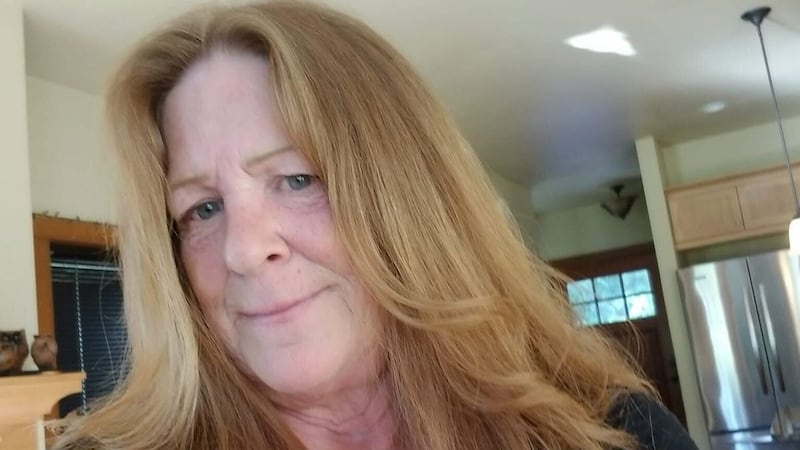
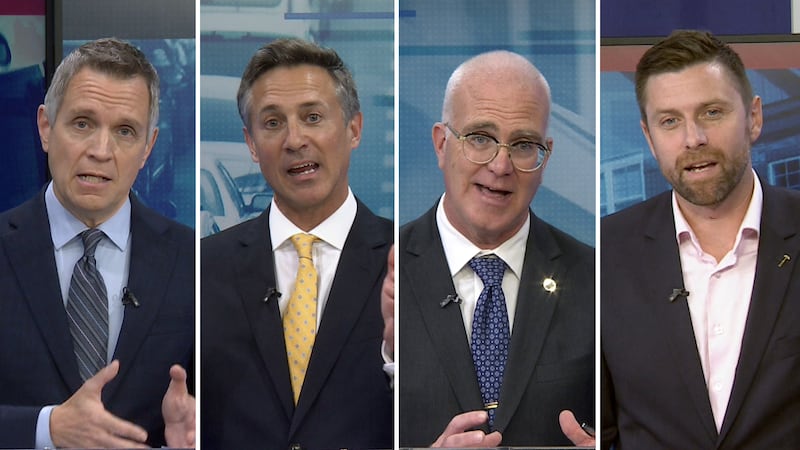
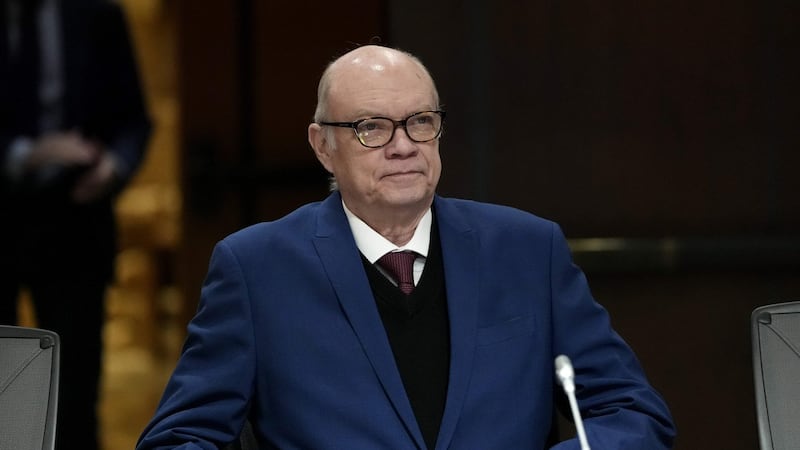
Thalia Hibbs, the mayor of Lacombe, and John Ireland, the reeve for Lacombe County, appeared before the Standing Committee on Agriculture and Agri-Food as part of an ongoing effort to save the Lacombe Research and Development Centre after it was targeted for closure. This interview has been edited for clarity and length. Michael Higgins: You both appeared before the House of Commons Standing Committee on Agriculture and Agri-Food and Mayor Hibbs, in your testimony, you equated the closure of the center to economic and social shock in your community, a city of 15,000. Can you put that into perspective for us? Thalia Hibbs: We are a small city, but because we’re a small city, when you have a facility that’s that large, it’s one of our largest employers slated for closure. That has an impact, that means people are leaving our community, and the contributions that they have given to our community now cease. Spouses may also own businesses or work in the city, we’ve got children that attend school that may no longer be there, these are hockey coaches. It does have a social impact, but it also has that economic impact, the businesses are affected. You have a major employer, but also a major purchaser locally, so that source dries up. So small businesses are now going to struggle because they’ve lost a significant source of income. It definitely has a ripple effect locally, but it definitely has it for the region, as well as nationally. MH: Reeve Ireland, why is it important that the research that is done at this facility remains in the Lacombe area? Are there not other organizations, facilities doing similar research that would be of equal benefit? John Ireland: There are other research stations that do similar research, but it’s in their area, their region, which is very different. In Lacombe, we have black soils, and we have a significant amount of rainfall. A lot of areas, let’s take Lethbridge, for example, they are prairie, where we are black soil. For the most part, we’re comparing apples to oranges. MH: Why not leave it to the corporate sector? Why does this have to be a government-driven operation? JI: Public research is foundational and is ongoing, it builds on itself year after year. Private research is credible information as well, but it’s usually tied with a marketing plan associated with it. So it tends to be shorter term. They’re looking for a return on investment over a three- or four-year period, and to shareholders, as opposed to the larger agricultural community. MH: Mayor Hibbs, in advocating to keep the facility open, you’re asking the government for a pause. Why are you seeking a pause? Or what exactly is it that you’re hoping that they will do? TH: Well, we haven’t been provided any justification as to why they decided to close this specific site and the other sites that they chose. So we really want to be reassured that they’ve done any sort of investigation as to what the consequences of those closures are. We don’t feel that that has been done, and so we want them to take a pause and re-evaluate that decision, so that they really, truly understand what those final consequences are. Once research discontinues in that site and the properties potentially disposed of, that is a century worth of research that you can’t just restart somewhere else, that’s permanently lost and will have a profound impact on our agricultural sector. MH: So that’s like weighing the cost of what it takes to keep it open against (what)? TH: Short-term gain of savings, potentially. What are the long-term effects of those cuts? Are they going to be greater than what you’ve saved in this, in the small, short term? MH: Reeve Ireland, there’s always political elements to this. You’re a producer as well, right? So how does this play out at a time when we see federal government officials traveling the world, seeking out new markets for our products, seeking out new trade partnerships? RI: Well, it’s frustrating on the local level as well to see that research is perhaps being sacrificed. In agriculture, we have a world class product and in order to maintain our status on the global front, we need that foundational research to generate upwards through our farming sector to return benefits to Canada’s GDP. MH: The two of you are obviously working together, Mayor Hibbs, how are you engaging the residents of your community about this? What’s happening at the ground level? TH: We did start right away with a joint task force and let the community know what it was that we were wanting to do, definitely encouraging everybody to reach out to us with their thoughts and concerns. We reached out to industry, we reached out to the local government MLA and MP. We’ve been doing all that we can to encourage people to be involved in this, that this is important, that they can make a difference, that we’re there to help facilitate getting that message out. But anything that they need to know from us, we’ve been trying to share information on our prospective web pages so that people can access that information. But it is really important that we are sharing the information with residents and that they feel comfortable coming to us, whether it’s elected or administration, to find out more about what’s going on, what they can do. MH: Reeve Ireland, did you get any kind of commitments from the good folks in Ottawa? RI: Well, no, and they’re not in a position to make commitments, they’re in a position to make recommendations. So they listen to the testimony of numerous witnesses, and at the end of that, they collate what they’ve heard and come up with a recommendation that they put back to the Minister of Agriculture for status quo or acceptance or a change of some sort. MH: Obviously you are going to keep the pressure on, but, Mayor Hibbs, do you have a back up plan? TH: There is no back up plan. We are going to keep seeking out every avenue of advocacy at this point. Obviously, the committee hearings are not complete yet, so there’s room for optimism there. We’re going to continue to have conversations with both the provincial and federal governments. We’re going to continue to have conversations with industry, with local farmers, just everybody that we could possibly reach out to, so that we have a united front to come up with some solution. There’s many options, we just need the federal government to be willing to engage on that and come up with a way to have the research continue. There is a way we will find it MH: One more quick question, the County of Newell took over a crop development center, it used to be the provincial government’s organization in the Brooks area. Is there a possibility that as municipalities, you could look at something like that too? RI: That’s probably what Plan B is, is a joint venture, maybe with the province, commodity groups, potentially with municipalities. Where we have the frustration is the fact that the decision was made, there was no consultation, there was no acknowledgement that this research station is a vital part of our history and of our future. MH: It’s been there 119 years. RI: Well it has, and the thing that I constantly say is it’s more relevant today in our area than it has been at any point in those 120 years.