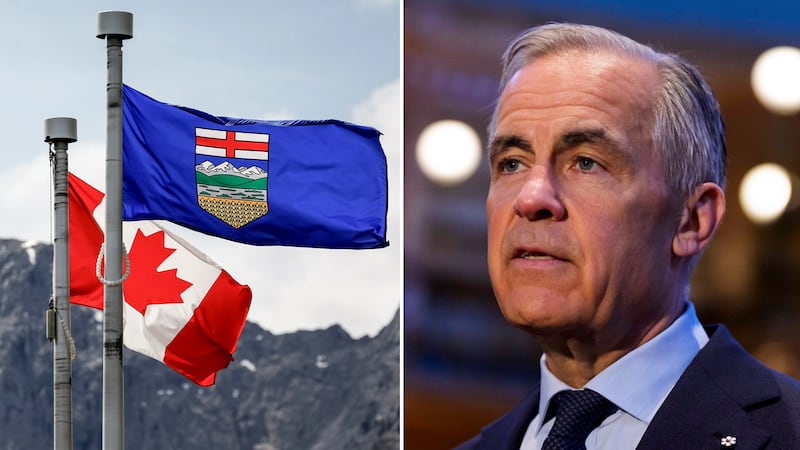
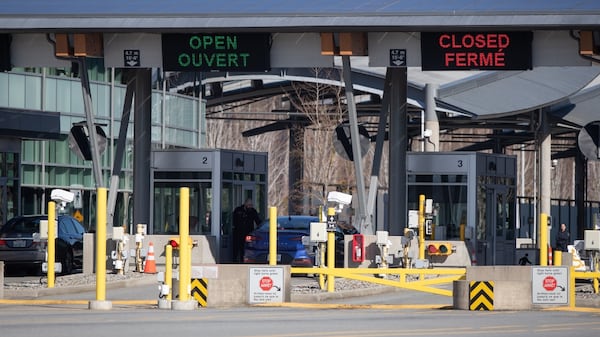
The trade war between Canada and the U.S. may be widening cracks in Team Canada, leaving some political watchers wondering whose strategy will pay off. On Wednesday, the federal government announced $29.8 billion in reciprocal tariffs in response to 25-per-cent U.S. tariffs on aluminum and steel, just hours after a Council of Federation meeting in which Premier Danielle Smith urged a “primarily diplomatic approach.” “It is clear that the American public opinion, industry and U.S. leaders are opposing a continued trade dispute with Canada more and more with each passing day,” Smith said in a release after the meeting. “We therefore need to avoid escalation, play the long game and focus on getting to a mutually beneficial trade resolution with our American neighbours.” Smith’s comments come a day after the trade war appeared poised to escalate dramatically over Ontario Premier Doug Ford’s addition of a surcharge on energy flowing from his province to the U.S. The move resulted in Trump threatening to raise steel and aluminium tariffs to 50 per cent, rather than the planned 25. “When you look at the fractured nature of the Team Canada approach, you’ve got Doug Ford, fresh off an election victory taking a bit of a tougher line … Danielle Smith’s sort of view, or at least her approach so far has been a more of a personal kind of quiet diplomacy touch,” said political scientist Greg Anderson. Smith has butted heads with Ford and the feds in the past over tariff response strategies, with Alberta’s premier less in favour of Team Canada’s “elbows up” retaliatory response. While Smith did announce a set of measures Alberta would be taking in response to U.S. tariffs, she has remained primarily focused on advocacy efforts in the U.S. Alberta Minister of Jobs, Economy and Trade Matt Jones believes the friendlier, more diplomatic approach is the answer to avoiding or reducing tariffs. “We’ve already seen what a combative approach produces, which is escalation, which again, is going to result in more job losses, higher tariffs, counter tariffs, retaliatory tariffs, all day long,” Jones said. “The best thing we can do is lean into what is the greatest trading relationship in the world.” Anderson said there’s wisdom in choosing not to hit back. “From a pure efficiency perspective, it’s not smart to retaliate,” he added. “Politically, that’s where the pressure comes, because you can’t just sort of sit back and necessarily be perceived as taking it.” For now, it appears Ford’s escalation strategy paid off. Both Ontario’s surcharge and Trump’s increased tariff threats were dropped within hours, after Ford was offered what he called an “olive branch” in the form of a meeting in Washington with U.S. Commerce Secretary Howard Lutnick. Anderson said it remains to be seen what Ford and Canada may get out of the meeting, as previous invitations to Washington have yielded what he called a “nothing burger.” If any concessions are given, Anderson added, it will be hard to pin down who exactly is responsible with so many federal and provincial officials making moves. “Can you tie any of that activity to a specific policy outcome, not necessarily,” he added. “But maybe it pays some dividends over the long haul because there is a general awareness of what’s happening up here and how integrated the two countries really are.” Smith and Energy Minister Brian Jean are heading to Texas this week to meet energy industry leaders at the CERAWeek conference in Houston. Then, on March 27, Smith will share the stage with American political commentator Ben Shapiro at conservative non-profit event in Florida where she plans to advocate for Alberta energy. With files from CTV News Edmonton’s Chelan Skulski