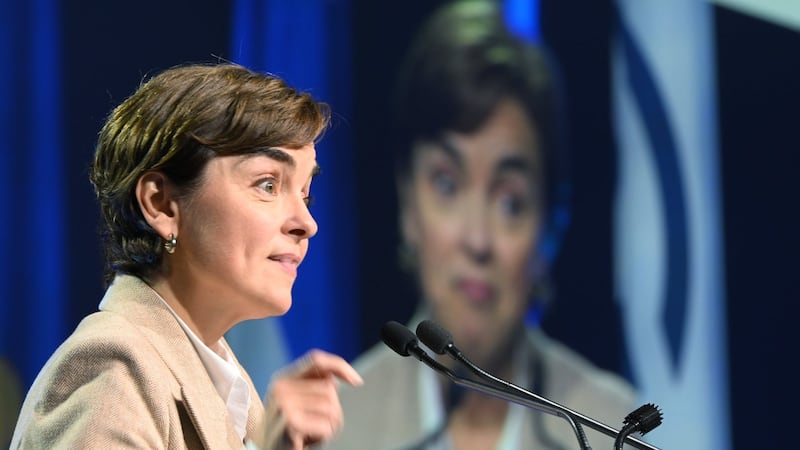
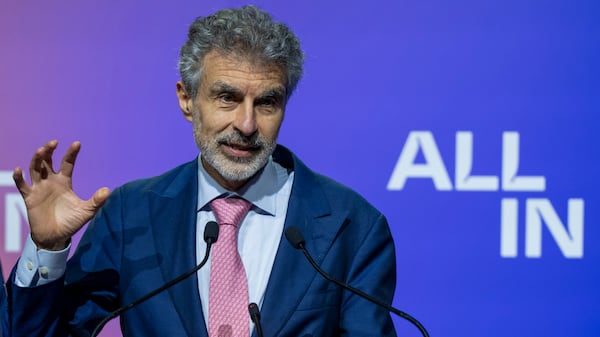
Alberta’s opposition NDP has called on the UCP government to support a bill which would increase minimum wage on the same day a cost-of-living watchdog group announced a jump in the hourly rate workers in the province would have to make to live comfortably. On Friday, a report from the Alberta Living Wage Network reported an increased hourly wage needed to stay solvent. In Edmonton, that number is now $22.30 per hour – an increase from last year’s $20.85 and well above Alberta’s $15/hour minimum wage. “That means when people are making a minimum wage on average, they’re not able to cover their basic expenses,” said the network’s co-ordinator and economist Ryan Lacanilao. “That means they’ll have to make sacrifices.” At a press conference the same day, Alberta NDP leader Naheed Nenshi announced Bill 201, the Protect Workers’ Pay act. If passed in the legislature on Monday, the bill would increase the minimum wage starting in December by a dollar each year until it hits $18 an hour in 2027. Hourly rates would then index to inflation, Nenshi said. Alberta’s minimum wage was last raised in 2018 under the NDP government and currently sits as the lowest in the country. “Alberta is the best place in the country to live, to work and to raise a family, but the Alberta advantage is eroding, and it’s eroding quickly,” Nenshi said. And while Nenshi has called on the UCP for their support in passing Bill 201, Hunter Baril, the press secretary to the jobs, economy, trade and immigration ministry, said the NDP isn’t looking at the full picture. “Since announcing this legislation, not one business has come forward with their support, likely because they know forced increases to minimum wage like this put them at risk,” he said in an emailed statement to CTV News. “In an already high-pressure entry-level job market stemming from out-of-control immigration and population growth, the last thing we want to do is make that worse by threatening the jobs of our youth through unconsulted increases to minimum wage.” He further added the opposition party isn’t considering how few Albertans actually make minimum wage. Currently, around five per cent of workers in Alberta earn minimum wage, the vast majority of which, Baril said in an emailed statement to CTV News, are young people living at home. Lacanilao said the five-per-cent of workers making minimum wage still doesn’t account for those not making minimum wage, but also not making a livable one. “When we look at the stats of those making $20/hour or less, for example, we see that almost half of them are raising a child … these are the people who are actually out there trying to make ends meet,” he said. Bill 201 will be tabled at the Alberta legislature on Monday. With files from CTV News Edmonton’s Amanda Anderson