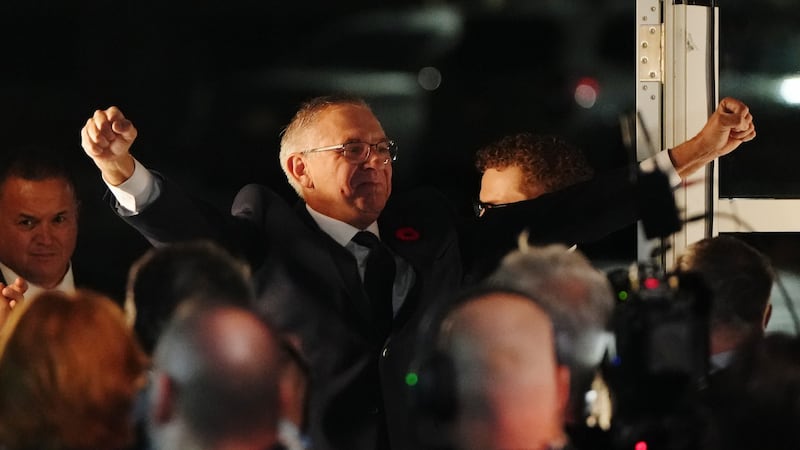
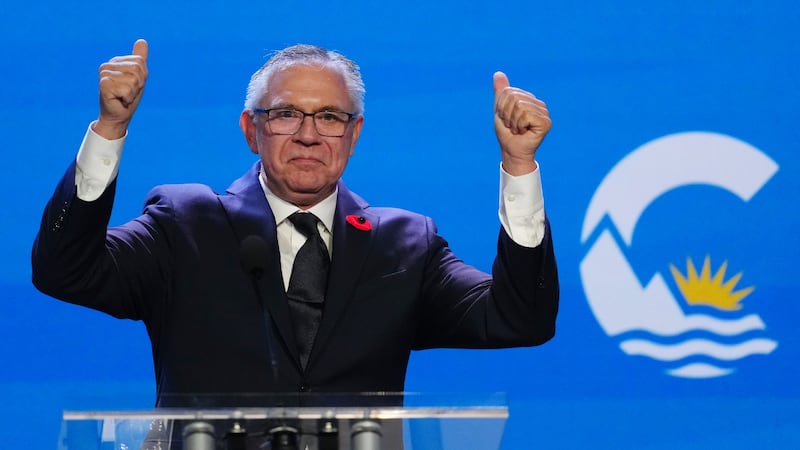
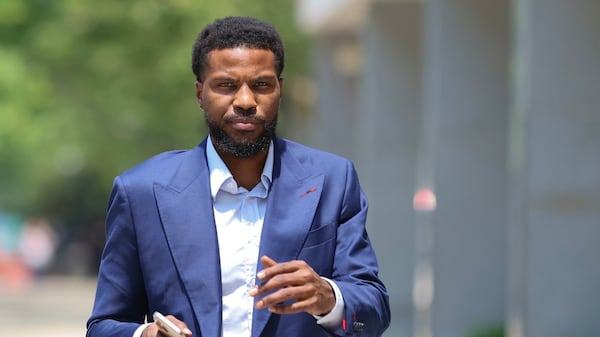
Edmonton Mayoral candidate Tony Caterina speaks with Alberta Primetime host Michael Higgins about his hopes to return to municipal politics. This interview has been edited for clarity and length. Michael Higgins: What’s motivating this bid for a return to municipal politics, and why the mayor’s chair? Tony Caterina: I think at this point now, we’ve seen in the past four years the direction the city has been going, and certainly this council has been out of touch with reality for most Edmontonians. I still think that there’s no excuse. There’s nothing better than experience and knowing what has worked and what hasn’t worked in the past. I need to give back to the City of Edmonton, it’s been good to me and my family, and this is the way to do it. MH: Can you pinpoint something that’s out of touch? TC: I think in the last four years we’ve seen with the economy, the way it’s been, gas prices, groceries, everything around us, and this council really hasn’t reacted to that. They’ve gone ahead with skyrocketing spending and over taxation. They’ve gone ahead with things that really weren’t necessary at this time, possibly in four years from now, it could be looked at again, but they haven’t prioritized things that need to be done right this minute. MH: What would you prioritize? Or maybe, what would you change? TC: My prioritization would be, there’s five really that serve all of Edmontonians, 100 per cent of Edmontonians, and that’s police certainly and that’s a big concern with the safety and security of our city. Fire. What I would plan to do as a fire chief, that’s an important position, is make it a stand alone, reporting to council and mayor, not part of administration as it is now. Certainly snow and ice control is absolutely necessary for the city, and waste management, collection of garbage, and what we do with it. And these all have a common thread through them, that they all present safety and security, be it health, be it wellbeing. Those are the five priorities that I would concentrate on. Everything else that the city does, and they say that they’re involved in 70 lines of business, I’ve been there for four terms. I can’t tell you 70 lines of business that the city should be in. They should be concentrating on those five priority items. MH: Do you come at this race as an as an independent? Do you allot yourself to a party? Do you build a party? TC: I’m coming at this as an independent. I believe that’s the only way the municipal government should be working. You have 13 people, all different life experiences and bringing that to the table. The party system is an experiment this time around from the province. I’m not sure what the motivation is behind it but my one big question would be, why and who would be pulling the strings? Would the mayor be beholden to a party to tell him what to do or how to do it? That’s not what I’m in this for. I have my own mind. I’ll make some tough decisions. Some might like it, some might not but independence is the way the municipality should continue governing. MH: What view do you take of the current municipal-political dynamic, given the degree of legislative change, even legislative control that the provincial government has taken over municipal politics? TC: Again, this goes to the party system being introduced, and why they’re entering into some of the areas that they traditionally have not been. Police Commission, for example, filling seats outside of what city council has filled, those sorts of things. I think what’s happened is the relationship has been broken between the city and the provincial government. I don’t think there’s any dialogue going on or an ability to go along with the president, mayor, and council, and that’s something that has to be rebuilt. Regardless of who the provincial government is and your ideology, you have to be able to work with them. MH: Do you have a plan? Do you have a thought on how to rebuild that relationship? TC: I do and building that relationship is certainly behind the scenes. A lot of work goes on but what you don’t do, basically, is you don’t try to embarrass the government one day publicly and then ask for assistance, money or help, the next morning. That’s just not the way to do it. Things can be worked out privately on disagreements but the face of it should be always positive and that’s the way it should be approached. We’ll see how this provincial government moves through. Certainly, it’s the UCP now, but I’ve been involved on council when we had to deal with the PCs. I’ve been on council when we had to deal with the NDP, and I’ve been on council when we had to deal with the UCP. So I feel comfortable, regardless of who’s in the provincial seat, that Edmonton with my leadership will be better off for it. MH: You’ve run provincially under the PC banner. How much does that reflect on where you might land on the political spectrum now that the policy direction, the perspective that you would take, in leading this next city council? TC: Certainly my leaning would be, and I’ll be quite proud to say it, I’m fiscally I’m very, very conservative. You might actually call me a cheap SOB, if you like, from the fiscal side of things, and that’s the important thing. A good economic policy makes for good social policy. What we’ve done over and over and over again is tried to give a pittance to the social aspects of everything we do, but never make a difference, because there never is enough to do it. We don’t have the means to really, really move that social agenda along. So my concentration is economics, the basics that the city is responsible for. Stay in your lane, let the province do what they’re supposed to do, let the feds do what they’re supposed to do, and we should be concentrating on our jurisdiction.