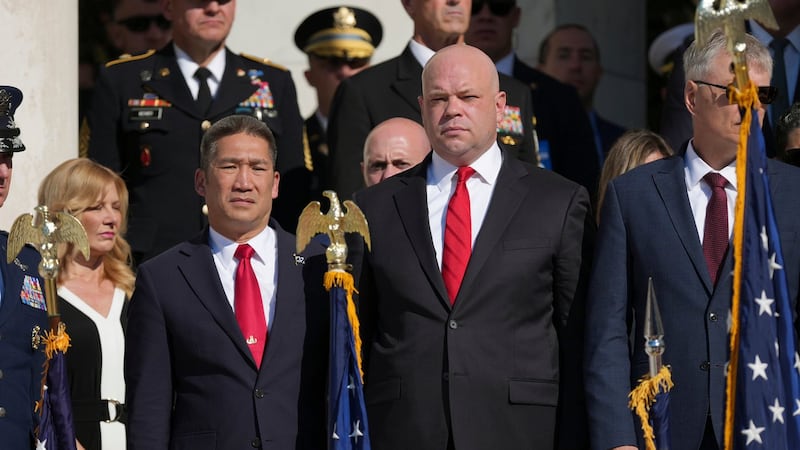
Tourism and Sport Minister and Drayton Valley-Devon MLA Andrew Boitchenko discusses the slate of elite-level sports events being hosted by Alberta over the next couple of years with Alberta Primetime host Michael Higgins. This interview has been edited for length and clarity. Michael Higgins: Let’s start on the Grey Cup. Obviously, all kinds of excitement, especially with the Edmonton Elks on the field. But as big as Sunday’s game is, where does it land on the sport tourism radar? What kind of significant boost does it bring to our economy? Andrew Boitchenko: Any major sport events that come into our province, we’re super excited for them because they support the local economy. All the hotels, restaurants, and local small businesses, pop and mom shops in Alberta are benefiting from major sport events that are coming to our province. Specifically for IIHF World Juniors, we have some stats here: 220,000 visitors to join in the games here and festivals. We are expecting $50 million in economic activities, 100 million views worldwide, and 140 jobs to support this event. MH: Does it help or hurt that there is an Alberta team on the field? AB: Personally, it’s absolutely amazing. I happen to be an Elks fan, and to have the Elks participating and in our finals, I am absolutely pumped. And I know many Albertans, not just people around Edmonton, that are excited to see the Elks making it to the finals. MH: The CFL commissioner said this week that getting a new home for the Calgary Stampeders is something of a priority. To what degree is the provincial government involved in discussions on a replacement for McMahon Stadium? AB: We are in conversations right now. The premier gave me a mandate to make sure that we’re supportive and that we help local teams to grow and upgrade their facilities. MH: The World Juniors in Edmonton and Red Deer are coming up in a month’s time. Are you concerned at all over contention around banning Russia, despite the Court of Arbitration for Sport ruling reinstatement? AB: As a Ukrainian-born minister in Canada, I’m very glad that both the premier and prime minister came out and strongly stated that they will ban and limit Russians from participating in playing the game. It’s nice to see both the province and federal government being on the same page and preventing Russians participating while the major invasion and war is happening in Europe. MH: There had been some industry concerns expressed earlier in the year over both the referendum on separation as well as a two per cent increase to the tourism levy and the introduction of a six per cent vehicle rental tax. How do you weigh impact on viewer visitor spending in that regard? AB: Alberta tourism is leading the country; we are double the national average growth. But we also have to make sure as a province that visitors to Alberta pay their fair shares of fees and taxes when they come to the province. MH: Your government’s target for visitor spending is $25 billion annually by 2035. What needs to happen to realize that goal? AB: Back before COVID, we were sitting at about $10 billion visitor spending annually. In 2024, that number increased to $14.4 billion, and in 2025 last year, we managed to grow that number to $15.2 billion of visitor spending in the province. Our goal is to have by 2035, which is a short nine years ahead of us here, to grow our industry and our economy to $25 billion dollars in annual expenditure of visitors that come to our province. MH: We know Red Deer now has been named to host the Brier in 2028, so that should also help. AB: Having big international games coming to Alberta is absolutely amazing. The Briers are coming, the World Juniors are coming…. We’re also going to support our rural economy as well. We’re going to have games in Camrose, Blackfall, Lloydminster, Cold Lake. So for Alberta to have international teams coming and have their pre-season games in small towns and support our small town economies is absolutely amazing. In 2028, we’re going to have the World Cup of Hockey coming, and we’re estimating to benefit about $375 million in visual spending during that game. It’s going to be our largest international games since the Olympics in ’88. So we have a lot coming to Alberta. We are proud, we have fans, we have infrastructure, and we have volunteers who are willing, capable, and ready to support these major sport events in our province.