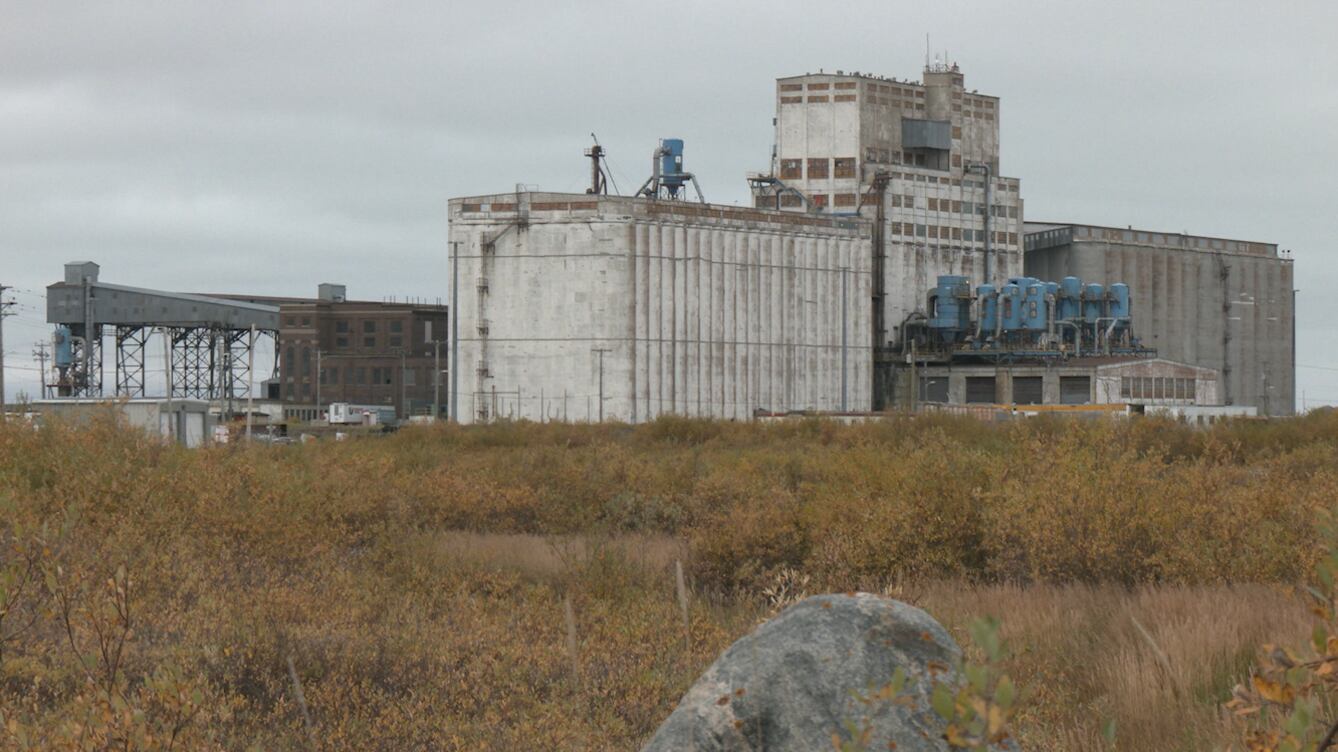
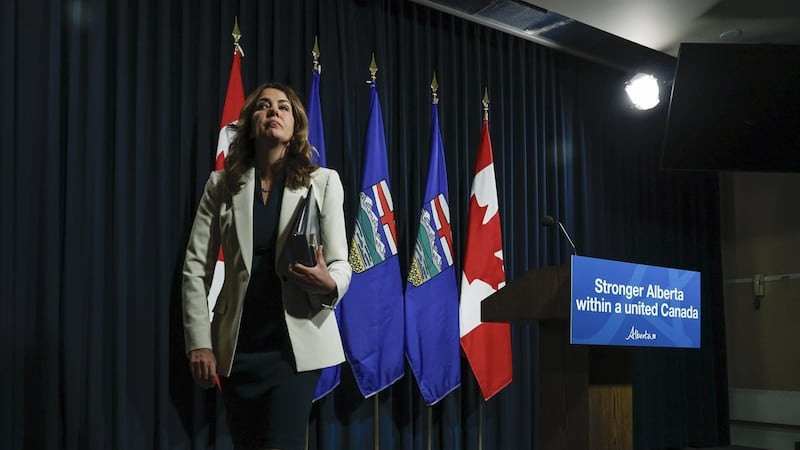
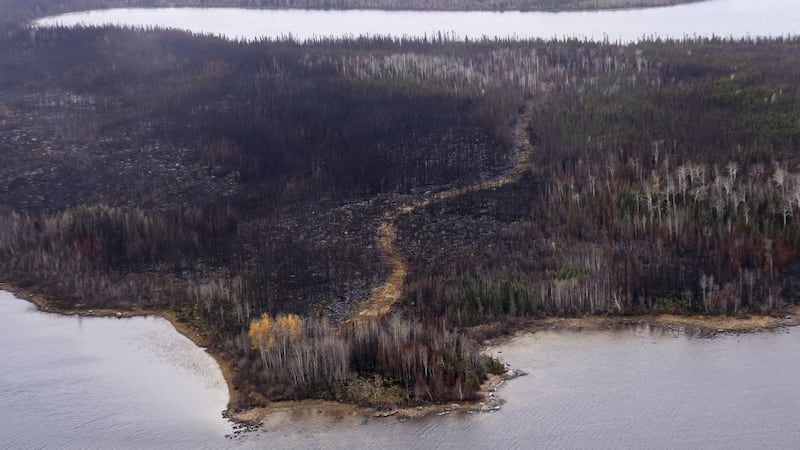
For centuries, ice has covered Hudson Bay for most of the year. Now researchers at the University of Manitoba say climate change is melting the ice at an unprecedented rate, opening the door for more ships to pass through for longer periods throughout the year. For the town of Churchill, in northern Manitoba, this brings a lot of opportunity but there are fears it could also have environmental consequences Research underway in Churchill The town is home to the University of Manitoba’s Churchill Marine Observatory (CMO). It was constructed over a year ago to prepare for a potential natural disaster, not just in the Churchill River, but throughout the Arctic. “We’re not just observant based, we’re actually doing studies to address challenges, issues associated with a rapidly opening Hudson Bay,” said Fei Wang, the director of the CMO. “With increasing shipping and development in the region, you have an increasing risk of oil spills.” The marine observatory has two outdoor seawater pools in the facility. The pools, which house water taken from the Churchill River, recreate Arctic conditions so scientists and researchers, like Wang, can see how oil behaves in cold waters. In warmer water, he says oil floats to the top of the surface and spreads, but in cold water, it can be trapped under sea ice and is harder to clean up. “There is such bacteria that can degrade oil when spilled into the ocean, but their activities are very slow in the cold waters, in the ice-covered environment,” he said. “We cannot solely rely on microbial activity to respond to oil.” “We want to develop technologies to mitigate oil spills,” he said. Researcher: Hudson Bay could be ice-free all year-around Wang says sea-ice melting in Hudson Bay and in the Arctic, is happening faster than anyone could’ve ever predicted. Shipping lanes are currently open around four months of the year, but Wang says they are studying to see whether or not the length could be expanded to five or six months. Wang says in the very near future, the entire Hudson Bay could be essentially ice-free throughout the winter months, which does bring with it negative impacts. “That of course will affect marine ecosystems as we know it; it will affect beluga whales and polar bears,” he said. Increased ship traffic could also impact marine life Increasing the number of ships coming through the Arctic, particularly near Churchill, brings heightened risks to marine animals that thrive in the region. Beluga whales dominate the shores of Hudson Bay in the summer months. According to Lazy bear Expeditions, a tourism company in Churchill, between the months of June and September, approximately 3000 beluga whales visit the Churchill River basin, with around 60,000 swimming throughout the Hudson Bay region. Wang says they are actively researching what impact increased shipping could have on marine life in the region. “With ships, you get underwater noise, that could distract the migratory behavior of beluga whales. With shipping you could also bring invasive species from other parts of the ocean that are not native to this environment and could disrupt the ecosystem.” Wang says there haven’t been many studies around the world, on the questions they are trying to answer, which makes their research all the more important. He believes research should play a role in Canada’s nation-building projects, particularly when it comes to expanding the Port of Churchill. “That makes active research, to properly understand this rapidly changing system, to get ahead of the challenges, to develop technologies, to walk with Indigenous knowledge holders and youth together is so much more important, rather than immediately going to development.” Churchill reliant on ecotourism While expanding the Port of Churchill and having an access way through the North is exciting for Churchill resident Joe Stover, he says if the proper steps aren’t taken to ensure safety, any impact on marine life would negatively affect the community. “That would be devastating,” he said. “It is something that falls under the due diligence to make sure that if we can go ahead with these projects, can we make sure there are safeguards and protections for the animals.” Prime Minister Mark Carney recently announced his first wave of nation building projects, which includes the expansion of the LNG Canada liquid natural gas pipeline in B.C., and a nuclear power project in Ontario. Upgrading the Port of Churchill was part of a secondary list of projects the federal government says “require further development.” While Stover says the conversations around the port are enticing, he was happy to see the port left off the first list, because of the amount of work that needs to be done. “There is so much to figure out in terms of the impact of what a project like this will have on our community,” he said. ‘Climate change is a tail wind for us’ Chris Avery, the President and CEO of Arctic Gateway Group, which owns the Port of Churchill, says getting year-around shipping lanes through the Hudson Bay, with proper environmental measures in place, is of the utmost importance. The port is North America’s only deep-water seaport that is connected by land, through the rail line, to the rest of the country. “It’s a huge advantage for Canada and it provides a great option for Canadian exports to global markets,” he said. The port began shipping critical minerals, like zinc concentrate, to Europe last year. It has been serving the European continent for two years now and Avery expects that demand to grow over the coming years. New infrastructure has tripled the amount of space to store these goods, which are being shipped out to global markets. Avery says expanding infrastructure can only grow trade for the northern Manitoba port. “It’s about talking with our customers, the mining community, whether it’s for critical minerals, other bulk material, to other things like potash,” he said. “It’s about understanding how much they want to ship and what facilities they need to accommodate those needs.” Avery says it’s not just about shipping goods to Europe from Churchill, but to the Middle East, Africa and even South America, acting as Canada’s gateway to the world through the Arctic.