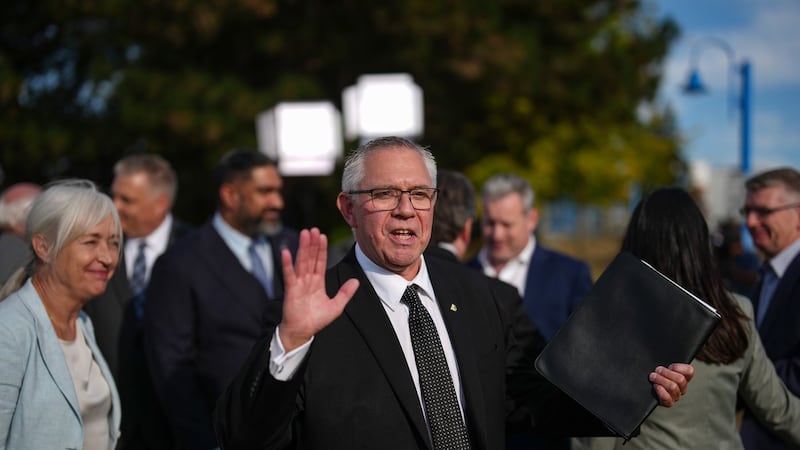
There might be snow still on the ground, but Alberta has officially entered wildfire season. And it won’t take as long as you might think for the fire risk to ramp up. The latest snowfall in southern Alberta is quickly melting. Soon, the ground will be dry once again. That’s when the risk of wildfire starts to ramp up. “Before the snow yesterday, I checked the numbers, and our numbers were already extreme. It happens in the city that quick. So, as much as we don’t want this snow and things like that, it actually does serve a purpose and helps us out a little bit,” said Troy Hicks, Lethbridge Fire and Emergency Services chief fire marshal. Southern Alberta’s notorious wind and dryness are ideal conditions for fires to spread quickly. It’s something fire departments always have to think of. The threat of a fire still exists even in the middle of winter. “We actually are preparing all the time. Wildfire risk in the county is pretty much our No. 1 risk. So, to say that, the weather is actually co-operating with us right now, and it sounds like between March and April, we’re going to have higher amounts of precipitation,” said Heath Wright, Lethbridge County director of emergency services. The Lethbridge region has seen a dryer-than-usual winter up until this point. This latest precipitation came at the right time to keep the fire risk lower, at least for the time being. But it likely won’t be long until the ground is dry again. “We don’t like putting a fire ban on. I try to hold off as long as I can. I want people to be able to enjoy the river valley,” said Hicks. Even with extra moisture on the ground, fire officials are asking residents to be careful. Mishandled fire pits and smoking materials could easily start fires. Machinery in farmer’s fields for seeding also presents extra risk. “We’re always preparing and we’re always trying to remind residents and the rural community that when it does come to seeding, make sure that you’re checking for hot spots and you’re making sure that you’re always cognitive of your equipment and making sure you’re cleaning it and making sure that we have fire safety in the forefront,” said Wright. In 2025, Alberta had more than 670,000 hectares of land burned by wildfires.