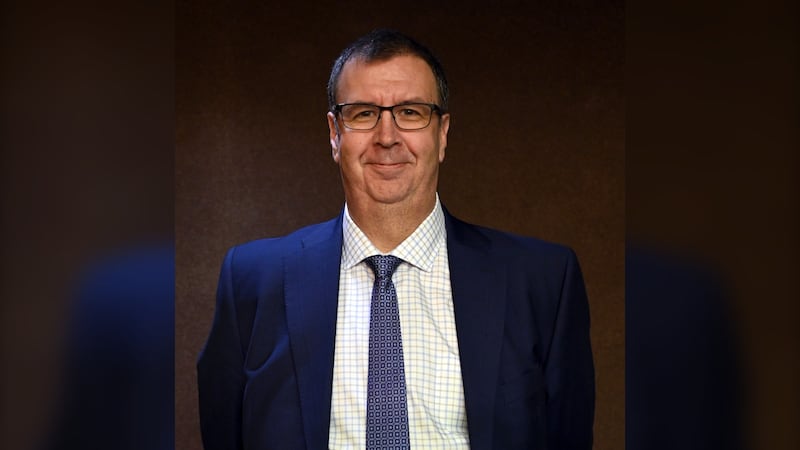
More fossils thefts from a UNESCO World Heritage site west of Calgary have prompted Parks Canada to end hiking permits to a revered peak in British Colombia’s Yoho National Park. “That’s a new change we’ve implemented this year. We just felt it was important to protect this irreplaceable resource,” said Paul Friesen, who’s the park warden for Lake Louise, Yoho and Kootenay Field. Parks Canada will not be giving out the permits which previously allowed hikers to summit Mount Stephen, after repeated thefts from the area including two hikers who stole fossils last year from the Burgess Shale UNESCO World Heritage site — renown for its vast deposits of ancient, well-preserved soft organisms. On August 6, 2024, two American men hiking Mount Stephen without scrambling permits went into the protected area monitored by surveillance cameras and took fossils. “We were alerted to their presence and were able to apprehend them and when we did, we found they had removed six Burgess Shale fossils,” said Friesen. He said the men were charged in August and this year they were convicted and each fined $4,750. They got the fossils back, too. “We have a way of repatriating those fossils and putting them back on the landscape where they were removed from,” he added. Disappointing Parks Canada and the GeoScience Burgess Shale Foundation are still offering guided hikes of the protected trilobite bed but the inability to summit the mountain is disappointing to some people in the scrambling community. Mount Stephen is listed in Scrambles in the Canadian Rockies by Alan Kane, a guidebook so well-known some local hikers nickname it “the Bible”. Doug Robson of Calgary dreams of reaching 180 popular peaks, and Stephen is one of them. “I was going to do it last year and got a permit to do it but wasn’t feeling well that day,” he said. “It’s a goal that I would get it done,” Robson said, adding that “there’s other people that would like to do it too.” Unfortunate He said it’s unfortunate that people who already weren’t following the rules by getting permits played a part in ruining it for others. But that case is only the most recent one of fossils being illegally removed from the area. “People were consistently getting permits to scramble Mt. Stephen and some of them were entering the closed area and some of them were illegally removing fossils,” Friesen said. In 2022, Parks Canada recovered 45 fossils illegally removed from the Burgess Shale in Kootenay National Park in 2020. The Montreal man responsible faced a $20,000 fine. “There are people who would collect these fossils in order to sell them. There would be a value on the black market for these fossils, just like anything that’s rare,” said Friesen. In other cases, he said people are just so impressed with the site they feel compelled to take a souvenir. Immense damage Researchers say the damage of can be immense. Some of the 500 million year-old fossils from the area have uncovered previously-unknown species. “We’re looking at these incredibly old fossils that aren’t preserved in very many places and also the quality of preservation in the Burgess Shale really is unparalleled,” said University of Calgary science professor Ann Quinney. “They are much, much older than the first dinosaurs. If we want to understand where we come from, we need to protect this resource,” she added. Surveillance Surveillance cameras monitor 12 Burgess Shale sites in the Yoho and Kootneay National Parks. Robson said along with the cameras, Parks Canada also has personal information registered by anyone who applied for scramble permits. “I don’t think it’s people like myself who are playing in the mountains who do this (remove fossils),” he said. “They’re about protecting the environment not taking from the environment.” “I’d like to have a conversation about it, rather than just shut it down.” He wishes there could be discussion about how to preserve the environment and still allow some scramblers to summit. Parks Canada said it tried to strike a balance with its decision. “We’re doing this for all the right reasons. We’re not stopping people from hiking in other areas so I would hope people understand why we’re making this decision.” said Friesen.