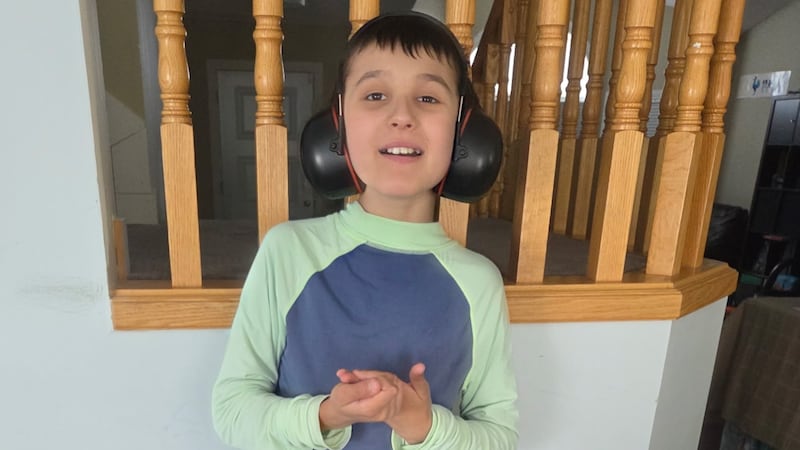
A University of Calgary medical student who spent years struggling for a diagnosis is now helping challenge long held beliefs about a condition researchers say is widely misunderstood and often dismissed by doctors. Postural orthostatic tachycardia syndrome, or POTS, affects an estimated hundreds of thousands of people in North America and primarily impacts girls and women between the ages of about 12 and 50. Researchers say more than 90 per cent of patients are female. Yet despite its prevalence, patients often spend years searching for answers. Kate Bourne says she was one of them. “It was absolutely debilitating,” Bourne said. “I definitely had to spend a lot of time in bed, where I was unable to go to school and unable to do anything.” Bourne says she first became ill at 12 years old, but it wasn’t until she was 24 until she was finally diagnosed with POTS. The illness repeatedly disrupted Bourne’s education, forcing her to extend both high school and university while struggling through periods where she was too sick to function. “I actually had a 12-year diagnostic delay,” Bourne said. “It led me to actually have to take an extra year of high school and take eight years to do my undergraduate degree, because I was so sick and kept having to withdraw.” She says finally receiving a diagnosis in her 20s allowed her to begin treatment and regain control of her life and her education. “Having the diagnosis and being able to develop a treatment plan really helped me to kind of continue with my life,” she said. “Although I went to the doctor several times, they were actually never able to figure out what was wrong with me,” she said. POTS affects the autonomic nervous system and can cause rapid heartbeat, dizziness, fatigue, nausea and severe brain fog when standing. Bourne says many patients are still being told the condition is temporary, psychological or something they will simply outgrow. “Unfortunately, it’s still very misunderstood, or more unfortunately, doctors think it’s actually not a real condition,” she said. Now, Bourne is lead author of what researchers say is the longest and largest follow up study ever conducted on POTS patients. The study, published in the Journal of Internal Medicine, tracked patients whose symptoms first appeared a median of 23 years earlier. Researchers found 98 per cent were still experiencing symptoms years later. “For years, many patients were told that POTS would simply go away over time,” Bourne said. Dr. Satish Raj, a cardiologist and professor at the University of Calgary’s Cumming School of Medicine, says the findings should serve as a wake-up call to clinicians. “The key is to validate the fact that this is a disorder that does exist and does need management and can’t just be ignored,” Raj said. “It’s not something if you ignore it for a few months or a few years it’ll magically disappear.” Raj says many patients told him doctors dismissed their symptoms as stress, adolescence or anxiety. “I think this is what I was hearing from some patients, that people would say that you’ll outgrow it, or this is just a transient phase, this is due to stress,” he said. Researchers say the study also sends a message to patients to continue advocating for themselves when symptoms are dismissed or overlooked. “I think it’s always very helpful for patients to be their own advocate and to be educated and informed and then be able to take that information to their doctors,” Bourne said. The study found nearly half of patients reported their symptoms improved over time, particularly with treatment and lifestyle changes, but only two per cent reported their symptoms completely disappeared. Raj says that distinction matters. “There are things that we can do to help patients with POTS that help them to live a better life,” he said. Both researchers say treatments including medications, exercise, compression garments and increased salt and fluid intake can help many patients manage symptoms and improve quality of life. They say awareness of POTS has increased since the COVID-19 pandemic, partly because the condition has been linked to some ‘long COVID’ cases.