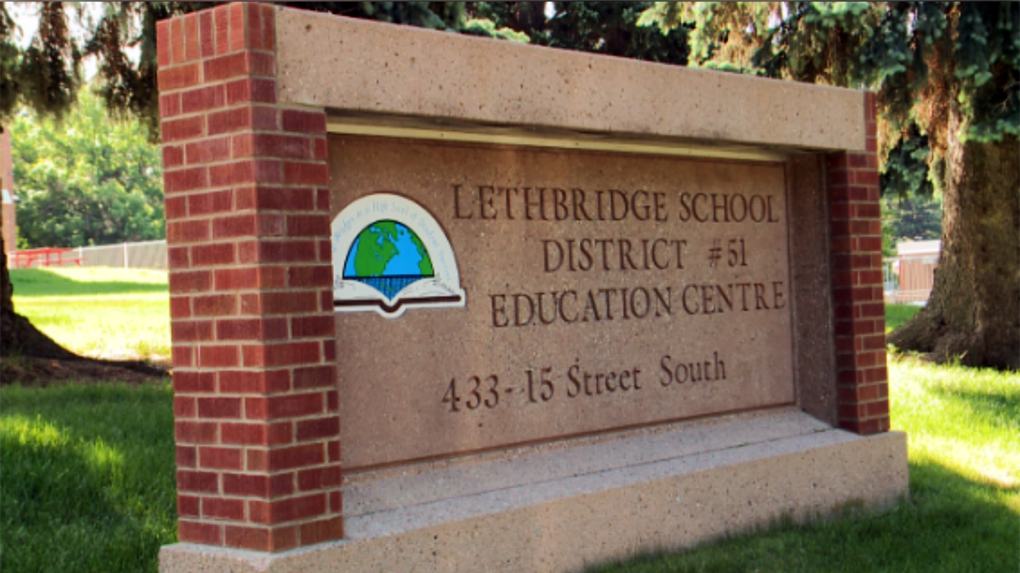
Lethbridge — The Lethbridge School Division will receive $1.3 million more for the 2020-21 school year than it did in 2019-20 but restrictions on the way the funding can be used means adjustments in the classroom. The division was allocated $111.3 million in the provincial budget, including a $1 million increase to facilities and $300,000 towards instructional support and services. But under the new funding model, allocated funds can’t be moved from the pillar that received them, so the division will have to make significant adjustments under the area of instruction. “It is what it is, and we need to get after our process quickly here,” Board of Trustees Chair Clark Bosch said. “And figure out what it actually means to try to do our best to make sure we minimize the effect on the front lines.” While this may seem like a pure increase in funding, due to those constraints, Superintendent of Schools Cheryl Gilmore said there’s more that has to be considered. “Last year [during] the mid-year budget adjustment, we lost $5 million in class size funding and we also were provided with some transition funding” she explained. “In November of this current school year, the board and the district had to find $3 million to keep operations the same as is and as we’re operating this year” They were successful in doing that, primarily through reserves, which helped the board maintain its current levels of programs, services and supports. Weighted Moving average Another factor is the implementation of a formula called Weighted Moving average, which doesn’t fully factor in growth. For the 2020-21 school year, Lethbridge School Division is projecting enrollment growth of two per cent, or approximately 230 students. Based on the model and the fact the division is growing, it means they will always be funded for fewer students than are actually in the system. “We need to think about carefully what that will look like in terms of how we structure our programs and services and how we ensure that our classrooms are able to give the quality kinds of delivery that they’re doing now,” Gilmore stated. The budget also includes the removal of the regional collaborative service model. It was funded at $3.4 million and was responsible for delivering services and supports for students with complex needs. The funds were split up between the different divisions in southwestern Alberta, so jurisdictions will have to account for the loss of these services as well. “What the province is saying is you now have broader areas or broader pillars of funding,” Gilmore continued. “And so now within that, you need to navigate or figure out how you’ll provide those services.” On Thursday, March 5, and Friday, March 6, the board will meet to review all the information received through its engagement process to determine the next steps. Post-secondary challenges Challenges will be even more difficult for Lethbridge’s two post-secondary institutions. Lethbridge College has been informed that it will receive a 6.9 per cent reduction in its Campus Alberta grant for the 2020-21 fiscal year. College President Paula Burns says it’s a significant financial challenge for them, but that they will continue working with leadership at the college to create solutions to these challenges. For the University of Lethbridge, they’re looking a 6.6 per cent reduction or roughly $7 million less to work with this year. University President Mike Mahon confirmed the numbers on Friday, along with a total of 3.2 per cent, or $3.4 million, which had already been cut out of the university’s budget in the fall. “We certainly have some work ahead of us to reconcile the reductions indicated to us by the provincial government,” Mahon explained. “We will have to do some work reframing, and that will come in the form of looking to retirements for individuals but also we will have layoffs.” Additionally, tuition is set to rise by seven per cent and student fees by five per cent. “This is a challenge before us, but I am very optimistic that as an institution we will find a way forward and continue to evolve as an academic institution.”