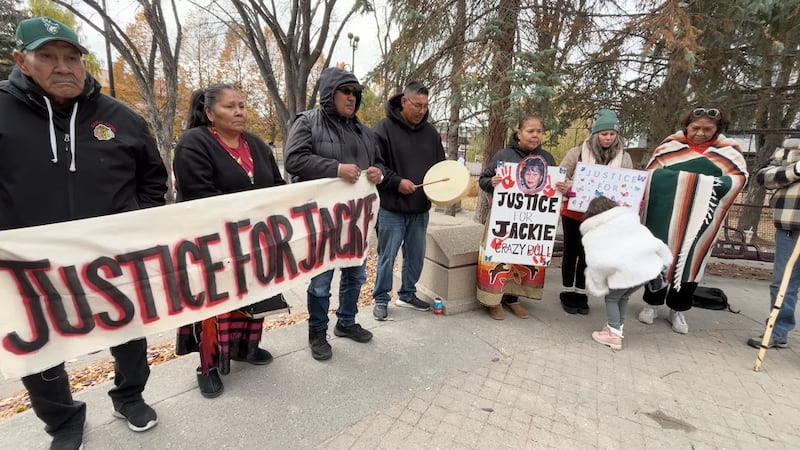
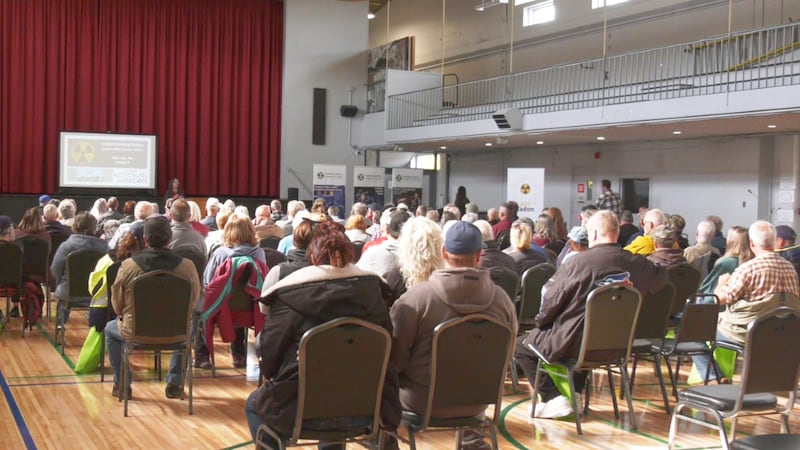
Voter training Tania Cameron developed in Kenora is now helping First Nations organizers in Alberta prepare their communities for an October referendum that includes a question about the province’s future in Canada. Cameron, a Kenora resident and member of Niisaachewan Anishinaabe Nation, first created First Nations Rock the Vote during the 2015 federal election. She is adapting those training materials for Alberta’s upcoming Oct. 19 referendum, helping volunteers learn how to assist people with registration, identification and voting. “The model is there,” she told the Miner and News. “We just have to update the election rules.” Cameron said the idea resurfaced in July, when she heard First Nations leaders were discussing voter mobilization during an Assembly of First Nations meeting. After an interview about the possibility, she was invited to speak with staff working with Alberta treaty chiefs. She reviewed Alberta’s voting rules, updated her training materials to reflect those requirements and began presenting them to organizers. The referendum will put 10 questions to Alberta voters. The final question asks them to choose between Alberta remaining a province of Canada and beginning the legal process required to hold a future binding referendum on separation. The Oct. 19 vote on that question is not itself a binding vote on separation. Cameron said Question 10 is of particular concern to treaty holders. Her training covers the referendum questions, voter registration, identification requirements and practical ways volunteers can help people prepare to vote. During eight days in Alberta, she held webinars and information booths, signed up volunteers and presented to treaty chiefs. She continues to help remotely as organizers arrange further sessions. One practical challenge is making sure people have the identification they need. Cameron recalled speaking with a grandmother whose 17-year-old granddaughter wanted to get involved. The teenager was too young to vote, but Cameron told the woman her granddaughter could still help people register or organize an identification clinic. Eligible Alberta voters must be at least 18, Canadian citizens and ordinarily resident in the province. Cameron said the training is intended for anyone who wants to help, including young volunteers, elders and community staff. Sessions are being planned at different times to accommodate work and other commitments. When an elder told her they did not know how to use a QR code to sign up, she offered pen and paper instead. She said the training does not instruct people how to mark their ballots. She acknowledged that organizers also promote groups taking positions on referendum questions, but said her goal is to help people understand the ballot and have the means to participate. The 2015 campaign gives Cameron a model to draw on. Elections Canada reported that participation among electors living on reserves rose nationally from 47.4% in the 2011 federal election to 61.5% in 2015. Those figures do not establish how much of the increase resulted from any one campaign. Cameron said the experience nevertheless showed her what organized voter outreach could accomplish. With more webinars planned ahead of the referendum, she hopes volunteers will take what they learn back to their communities and help others prepare to vote. “I love lifting up our people,” she said. Pam Fedack, Local Journalism Initiative Reporter, Kenora Miner & News