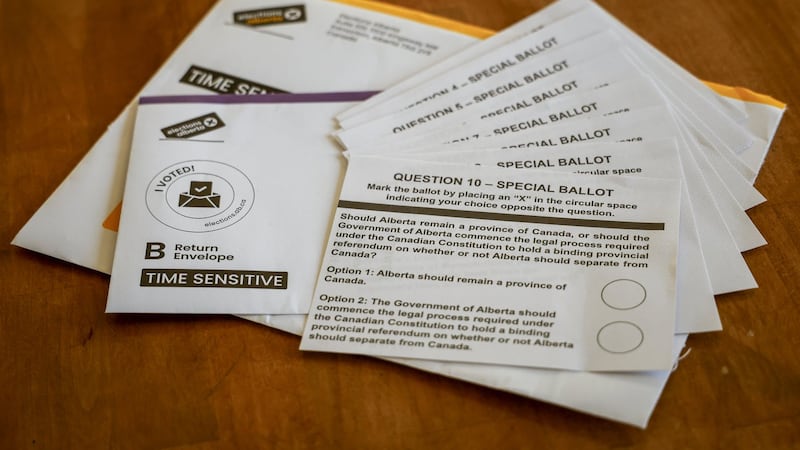
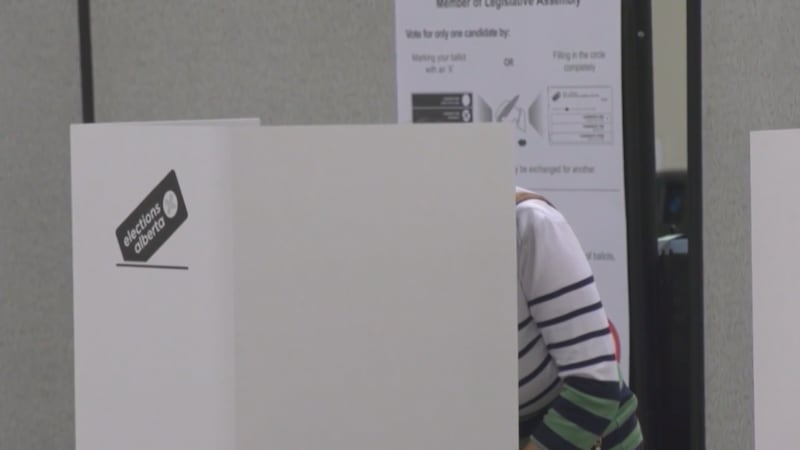
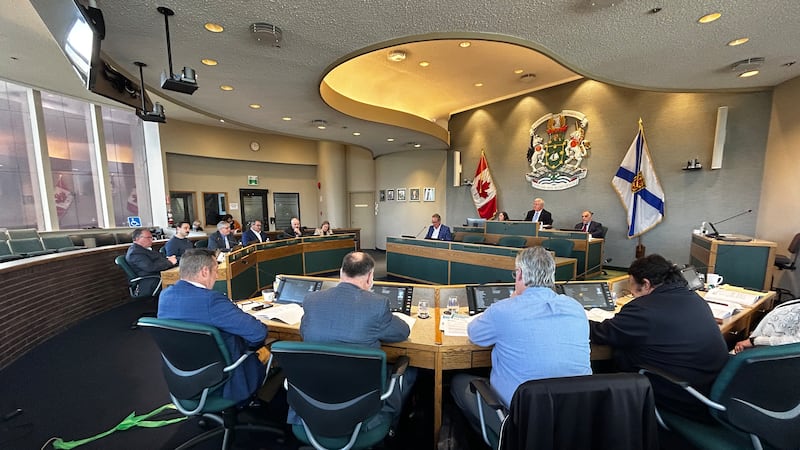
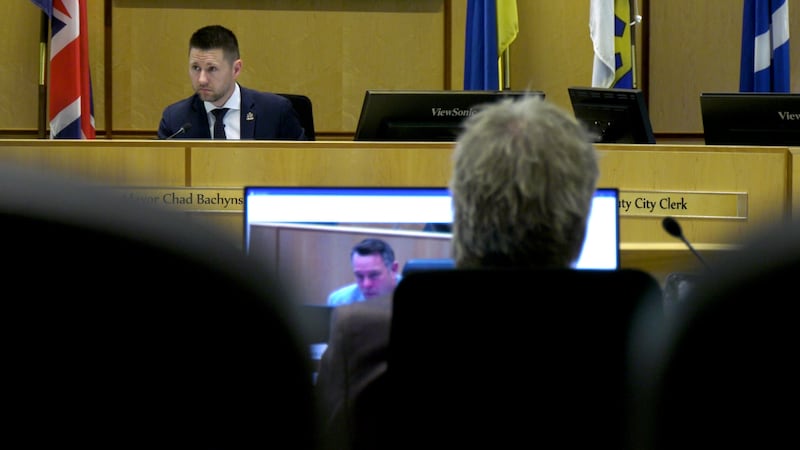
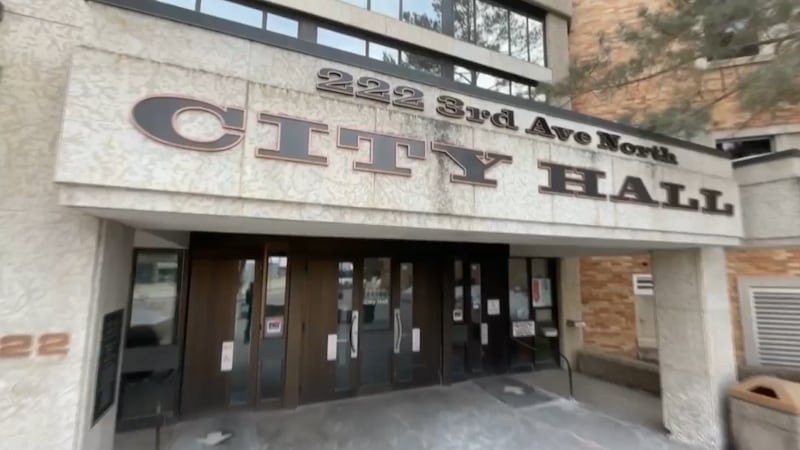
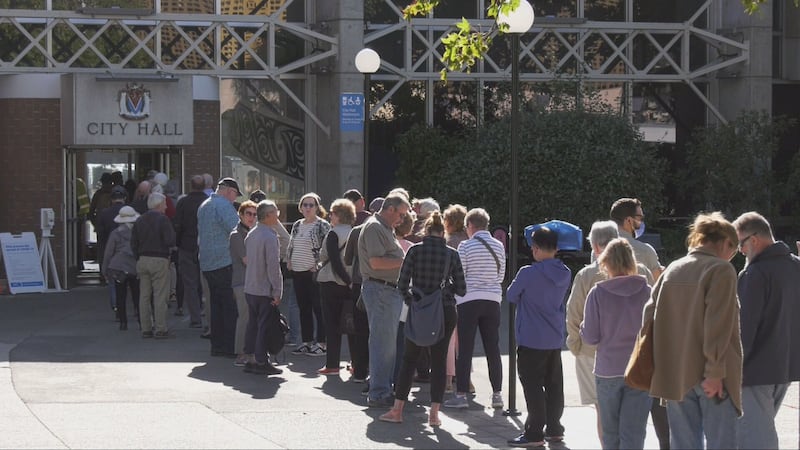
A municipal vote is less than 100 days away, and the City of Lethbridge continues to tweak its election process after the province introduced changes to the Local Authorities Election Act, or Bill 20, last year. The province says the changes are to increase voter confidence, but Bonnie Hilford, Lethbridge city clerk and returning officer, says it has caused challenges. “The recent legislation changes were very significant,” said Hilford. “There was a lot of competing legislation, and we didn’t know how to proceed with the legislation.” “We contacted other municipalities; they had the same problem, and so it seemed that everybody was doing something different, and that concerned us.” The city contracted PricewaterhouseCoopers (PwC) to examine Bill 20 and return to city council with recommendations, key challenges and information to identify gaps, potential risks, vulnerabilities and inefficiencies with the election process. “The legislation said, for at-large election systems, which we are, that the ballots would stay at those facilities, and we were concerned that they would be locked in a closet and not secure,” said Hilford. “We wanted them here at city hall in our secure vault, so we decided that we would move them.” The changes to Bill 20 include the removal of electronic tabulators to count ballots. Election staff will count each ballot by hand, with five separate ballots. David Sarsfield, deputy city clerk with the City of Lethbridge, told city council Tuesday that it’s expected more than 600 volunteers and staff will be needed for the election process, compared to 238 in 2021. Hilford told council that the city has been able to cut down the time it takes to count ballots by hand. She originally estimated to have all ballots counted in four days; she now hopes to have the mayoral ballots counted by Monday night, with unofficial results available by Wednesday afternoon—two days after the polls close. “We’re doing 20 teams; there will be four people in a team, and they’d run consecutively, counting all of the ballots,” said Hilford. “We figure we have about 100,000 ballots to count.” The last time the city counted ballots by hand was in 1989. Since then, Hilford says the city has not had to recount ballots when using electronic tabulators. Bill 20 now includes a voter list, which Hilford says eligible residents will need to register to vote by Aug. 15. Anyone that misses that deadline can still register in person when they vote but must have the proper ID and documentation. The increase in work will result in a price increase of $323,000 for the city. The province has told city council it will not cover any of that increase. To reduce cost, this election will have three super stations for voting during nine days rather than 14 smaller stations. Other challenges raised in the PwC report include lack of clarity on acceptable voter ID, counting process risks, lack of clarity regarding use of counting centres, lack of standardized acceptable markings on ballots and failure to complete count before the Oct. 24 deadline. While the process is still being finalized, Hilford says the audit has brought comfort as election day approaches. “We feel good now that we can proceed with making decisions, ordering supplies, and that we’ll have a good-quality election with sound results that won’t be contested,” said Hilford. Election day is set for Oct. 20. More information on the municipal election, including a list of candidates, how to register to vote and important dates, can be found on the city’s website.