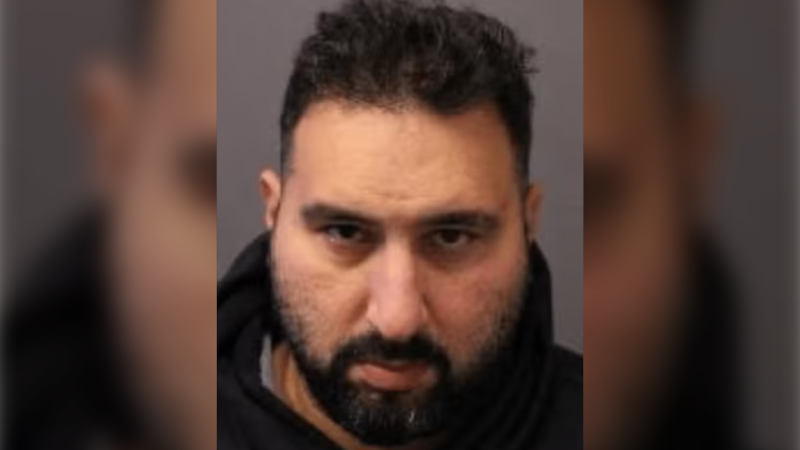
Two men serving time behind bars for their roles in the Coutts, Alta., border blockade of 2022 have been denied both full parole and day parole. Chris Carbert and Anthony Olienick will remain where they are, as they are. The Parole Board of Canada issued its decision regarding each man on April 25; CTV News Calgary attained the documents on May 21. Carbert, 48, and Olienick, 42, were convicted of mischief and possession of a weapon for a dangerous purpose in August 2024. Olienick was also convicted of possessing a pipe bomb. A jury returned a verdict of not guilty on charges of conspiring to kill RCMP officers. The two were arrested after police found a cache of weapons, ammunition and body armour near the blockade at the Canada-U.S. border crossing in 2022. The blockade was one of several held across the country to protest COVID-19 rules and vaccine mandates. The trial heard statements and text messages from the accused warning that the blockade was a last stand against a tyrannical federal government. “The board denies day parole and full parole,” the board told both men late last month. “It is the board’s opinion that you will, by reoffending, present an undue risk to society if released on day parole or full parole, and that your release will not contribute to the protection of society by facilitating your reintegration into society as a law-abiding citizen,” the board said to Carbert. “Upon considering all available and relevant information, the board is not satisfied that your release will not present an undue risk to society,” the board said to Olienick. While ultimately denying both men full parole and day parole, the board noted neither man has been problematic while serving time. In particular, the board noted Carbert has worked a variety of jobs and completed a variety of courses. “You have shown a high level of motivation to engage in your correctional plan, and you have demonstrated your willingness to engage in a positive manner with your case management team,” the board said. “Your accountability is medium, and your motivation level and reintegration potential are high.” Of Olienick, the board said it has found limited evidence of change. “While incarceration may have a deterring effect on you and cause you to do things differently in the future, the board is not convinced that this is the result of any true accountability, insight or understanding of your offence cycle or harm inflicted,” the board said. “It makes the board wonder; do you regret your actions or the fact that you were caught?” With files from Karsen Marczuk and The Canadian Press