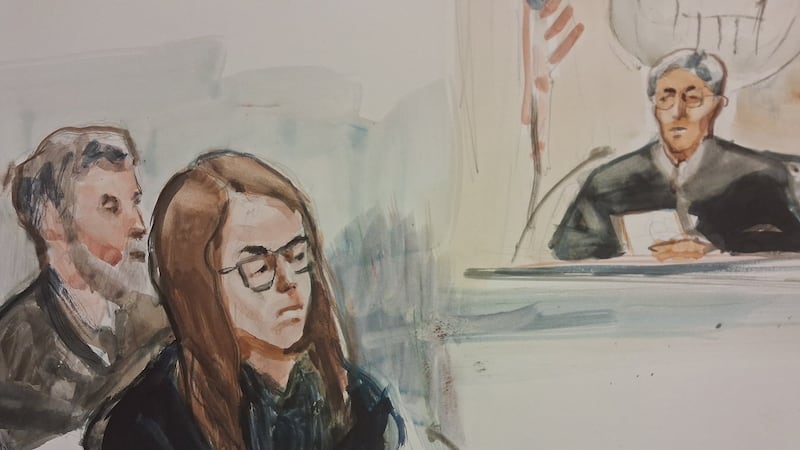
A class-action lawsuit over the noise, dust and risk to public health from a cement plant at the foot of the Rocky Mountains will go ahead, an Alberta judge has ruled. On Monday, Justice C.D. Simard of the Alberta Court of King’s Bench approved the application made by Sarah Furlonger, a former resident of the hamlet who lived just 500 metres away from the Lafarge Canada Inc. plant. While Furlonger, the proposed plaintiff representative of the lawsuit, no longer lives in the community, her daughter and grandson now reside in her former home. According to the court’s decision, Furlonger said Lafarge (now called Amirize Canada Inc.) expanded the facility in 2016. Now the largest cement plant in Canada, the Exshaw facility emits “huge quantities of harmful and destructive fine powder, including particles of bottom and fly ash, dolomite, granite, gravel, gypsum, limestone, Portland cement, sandstone and shale (collectively dust).” “While the focus of her complaints are about dust, Ms. Furlonger also complains about other emissions from the plant, in the form of noise, odours and vibrations,” Simard wrote. Furlonger claims the dust, along with the rest of the issues associated with the plant, “caused significant damage to the real and personal property of the proposed class members, who are identified as the individuals who owned or occupied residential property in Exshaw or Lac des Arcs from September 12, 2016, to the date of certification.” As part of the lawsuit, the plaintiffs provided affidavits from two experts: Dr. Stephen Kinrade, a chemistry professor who studies cement, and Garrett Watson, “a property valuator/appraiser.” Lafarge argued Kinrade was unreliable and not impartial, and Watson’s testimony would lead to an unfair trial, however, Simard admitted expert evidence from both witnesses, which consisted of dust samples from several locations in Exshaw and Lac des Arc (Kinrade) and information about how property values were affected by the plant (Watson). Lafarge disputes claims Lafarge, according to the court document, said Furlonger’s lawsuit possess several weaknesses. The company claims it “acted reasonably at all times” and there is no evidence that its conduct created the damages claims by the plaintiffs. It also said that Furlonger knew the risk of owning property so close to the plant. Simard said at this stage in proceedings, it is far too early for any rulings on the claims made by the parties. “The evidence before me does not establish that Ms. Furlonger’s claim will inevitably be proven to be statute-barred, nor that she will be unable to prove any damages,” he wrote. “I have reviewed Ms. Furlonger’s litigation plan and find that there is a basis in fact to conclude that it is workable or could be made workable with some revisions.” Both parties are scheduled to appear in court later this summer to determine the next steps in the lawsuit.