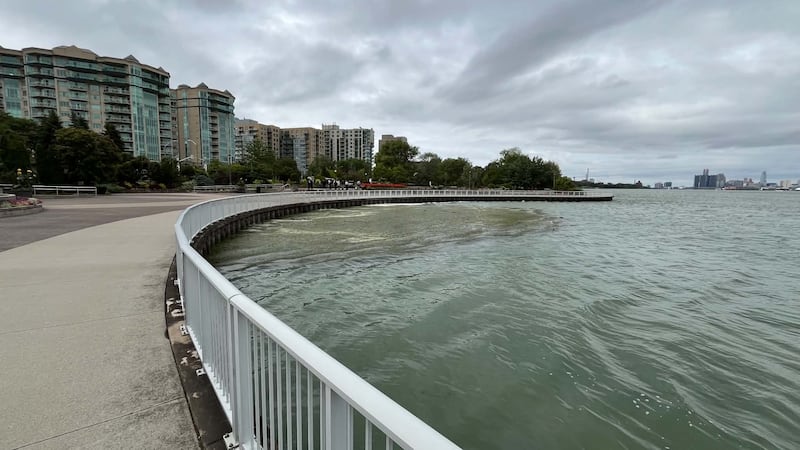
Ever wondered how Air Ornge responds to calls along the water? When a serious emergency happens on Georgian Bay or in a remote area, every second counts. When Air Ornge is called The Georgian Bay Association (GBA) is reminding cottagers that local emergency services, hospitals and ambulance centres decide when Ornge is needed based on provincial guidelines, like a patient’s condition and the time it would take to reach a hospital. Ornge is a secondary responder. The GBA says they are not part of the 911 system and cannot be called directly by the public. When Ornge is activated, the final decision to dispatch the aircraft depends on trauma criteria, weather conditions and availability. Incidents along the water For incidents on the water or in remote areas, Ornge often works with OPP aviation and marine units and other rescue teams. The organization has integrated the what3words system into its dispatch. This helps crews quickly pinpoint exact locations in areas where traditional addresses may not exist. The GBA says helicopters operate as flying intensive care units, carrying a crew of two pilots and two critical care paramedics. Although Ornge is often recognized for critical emergencies, most of its work involves taking patients between hospitals. In the last fiscal year, the organization says it completed more than 25,000 trips across Ontario. Georgian Bay landing sites There are seven helicopter bases across the province: Toronto, Ottawa, London, Sudbury, Thunder Bay, Kenora and Moosonee. The association says Sudbury and Toronto are known to respond to calls along Georgian Bay, as the helicopters have a mid-range of about 250 kilometres. Ornge is a non-profit organization providing air ambulance and ground medical transportation services in Ontario.