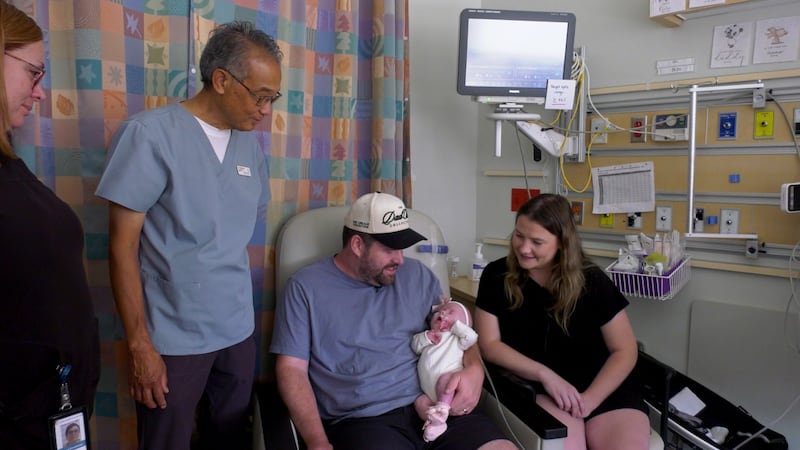
A dozen nursing positions have been erased at Royal Victoria Regional Health Centre according to the Ontario Nurses’ Association (ONA). The ONA says RVH’s cuts leave patients with less care. In a release aimed at the province, ONA provincial president Erin Ariss says, ““It is unacceptable that Ontario, which already has the lowest number of registered nurses (RNs) per capita in Canada, is cutting more to make up for the underfunding of our public health-care system.” “Cutting care will make it harder for those in the Barrie community to access care and hurt the safety of patients and workers alike. We should be increasing nurse care through safe staffing ratios, not gutting an already decimated nursing workforce.” ONA says RVH announced that it is cutting 10 full-time registered nurse positions in dialysis, professional practice, emergency, angiography, and clinical cancer trials, plus two nurse practitioners in geriatrics. “Patients and health-care workers will equally feel the consequences,” said Aris. In a new statement Tuesday, ONA said, “Budgets are about priorities. As the employer cuts and shuffles nurses around, patients will experience delays or miss care. “Employers cannot expect nurses to keep doing more with less. ONA will continue to pressure employers like RVH and the provincial government to implement solutions like nurse-to-patient ratios, more transparent funding and accountability.” In a statement to CTV News, officials for the health centre say RVH “recognizes the essential role nurses and nurse practitioners play in delivering care and remains committed to supporting and retaining its nursing workforce.” “As part of this work, the nursing positions referenced by ONA were included in the broader resource-alignment process announced on June 3 as part of RVH’s long-range plan.” At that time, RVH announced it is facing a year-end deficit of $7.8 million for its 2025-26 budget. The press release issued earlier this month stated “RVH is facing significant financial pressure due to the demand for care continuing to grow as the region expands and patient’s needs become more complex.”