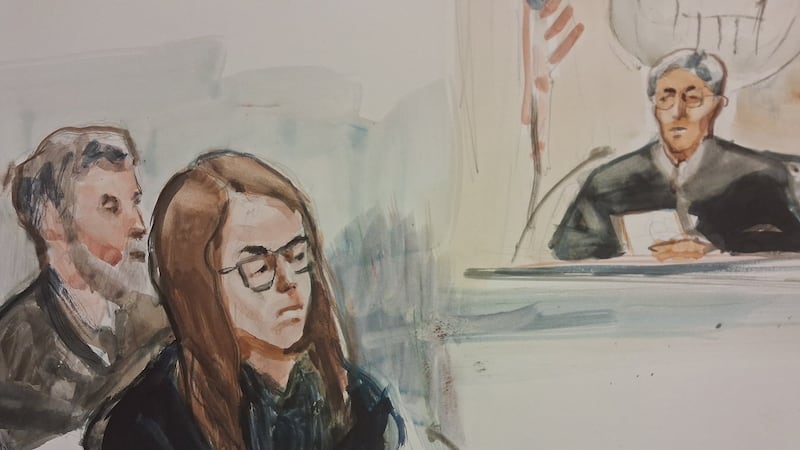
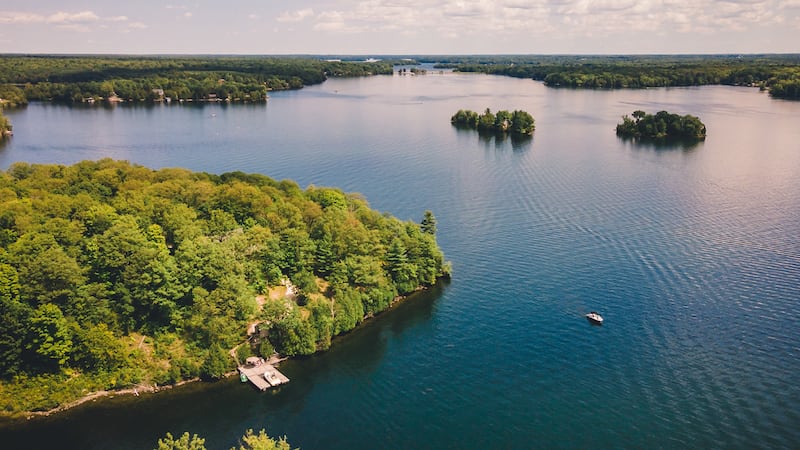
How far is too far during a public safety situation? That’s the question before Nova Scotia Supreme Court as Cape Breton resident Jeff Evely and his lawyers, along with lawyers representing the Canadian Constitution Foundation, argued provincial government went too far when they imposed a blanket ban on entering the woods last summer. “This isn’t really about me going hiking,” said Evely. “This is about the future.” Evely’s lawyers argued the province failed to consider Charter Rights, including the freedom of movement, when they imposed a ban of human activity and entry into the woods of Nova Scotia in 2025, calling the ban overly broad and punitive. “The concept that government provided in this case was to say that human presence itself is a proxy for fire risk; in other words, that people are the problem and that is not a rational argument,” said lawyer Marty Moore, who was representing Evely in court. “Nor is it a rational argument in a free society and certainly not rational in Nova Scotia where Nova Scotians are some of the kindest and rule following Canadians you are going to meet.” The province argued the forest ban was reasonable given the extreme wildfire risk, drought conditions and lack of rain in the extended forecast at the time. The government’s lawyer told the court the minister of Natural Resources relied on expert advice from the department and acted within his authority to impose a temporary ban, arguing the greatest wildfire threat came from humans in the woods. Three days after the woods ban was put in place, Evely travelled to a Department of Natural Resources (DNR) office in Coxheath and notified conservation officers he was going to defy the law. He deliberately went into the woods and was subsequently fined more than $28,000 for the violation. It was ticket he wanted to get in order to challenge the woods ban in court, saying he didn’t want to see a ban put in place again when the next wildfire season got underway. “There were plenty of measures they could have put in place before getting all the way to banning humans from the woods, “said Evely. The judicial review heard three days of oral arguments, including lawyers with the Canadian Constitution Federation (CCF), who had an interest in representing all Nova Scotians during the case. Josh Dehaas, the interim litigation director with the CCF, said they initially experienced pushback from some people for challenging the ban, but that sentiment has changed since their arguments have been made public. “When we first got involved, a lot of Nova Scotians were angry that we were challenging the government on this,” said DeHaas. “We’ve now heard from a lot more Nova Scotians who are thanking us for being here. “More and more people are realizing that this particular ban went too far and the way it was implemented was not rational and that government did violate peoples rights.” Justice Jamie Campbell will review the arguments and come back with a decision at a later date. For more Nova Scotia news, visit our dedicated provincial page