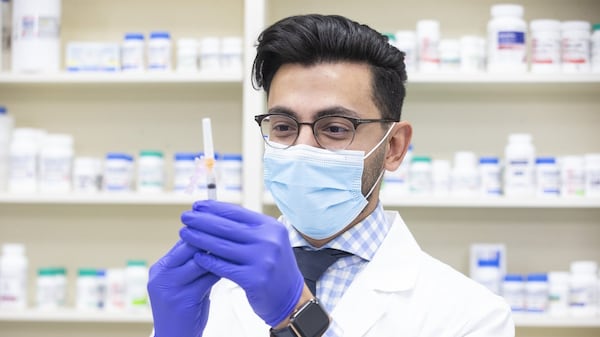
A child has been hospitalized as the number of measles cases jumps to 44 in northern Nova Scotia. That number is up from the 35 confirmed cases announced on Wednesday. Nova Scotia Health says the child is in stable condition at the IWK Health Centre in Halifax. It says the family notified the IWK before the child arrived, and the hospital has taken all necessary precautions to prevent the spread of measles to other patients and staff. “Thanks to the family and IWK Health Centre’s diligence, there is no risk to others from this hospital visit,” said Dr. Cristin Muecke, the regional medical officer of health for the northern zone, in a news release Friday. Nova Scotia Health says it has not identified any new public exposure sites in the northern zone and all previously reported exposures are now beyond the period of time when symptoms would typically appear. Those who get sick after a measles exposure usually start to show symptoms within seven to 21 days. The health authority says it does anticipate more cases, but the risk to the general public remains low, since most people are protected through vaccination or past infection. What is measles? Measles is a highly contagious disease that can lead to serious health issues or even death. It spreads when an infected person breathes, coughs or sneezes. Initial symptoms of measles include: While most people fully recover within two to three weeks, more severe cases can lead to pneumonia, ear infections, swelling of the brain, blindness, deafness and brain injury. Complications are more likely in infants, pregnant people and those with weakened immune systems. Anyone who has been exposed to measles and is experiencing symptoms is advised to call 811 for advice on seeking medical care. “If you need to see a healthcare provider for assessment, such as your family doctor, call ahead to make sure they are prepared to see you,” said Nova Scotia Health. “Measles is highly contagious and healthcare providers need to take special precautions to protect other patients and themselves from being exposed. “ Measles vaccine Nova Scotians born after 1970 should receive two doses of the measles-mumps-rubella (MMR) vaccine after their first birthday. People can receive vaccinations from their routine vaccine provider, including family doctor, nurse practitioner, primary care pharmacist, public health office and special measles clinics. The vaccine is free. More information about the vaccine can be found online. For more Nova Scotia news, visit our dedicated provincial page