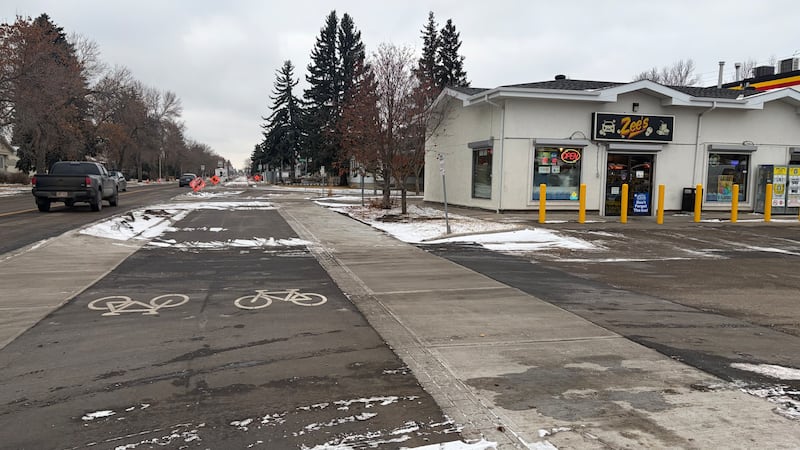
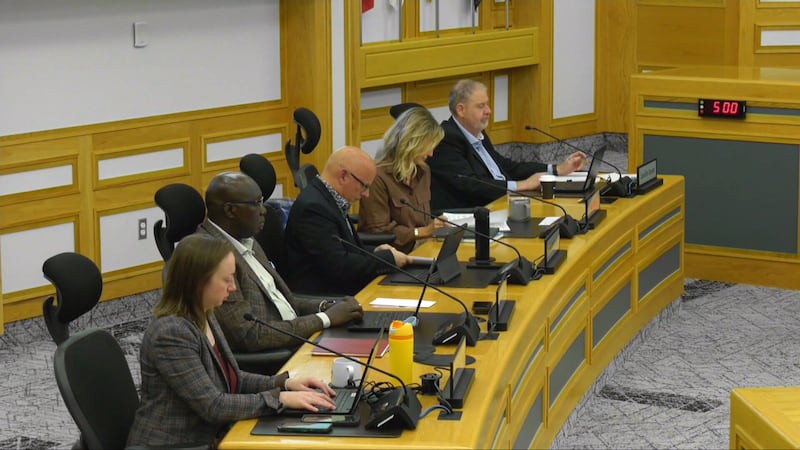
And so it begins: Edmonton city councillors began discussions Monday on the next four-year budget cycle. They’re starting with a public hearing featuring nearly 300 speakers registered to address council this week. Meetings on Monday and Tuesday have both been extended until 9 p.m. to accommodate as many presentations as possible. Discussions are also expected to be shaped by recent provincial directives on infill housing, bike lanes and road safety. “There are a number of provincial changes that have been made, especially in the last year (and) in the last few months that have a real and direct impact on the municipal budget, which is something I’ve never dealt with before in 13 years,” Knack told reporters Monday. Edmonton city manager Eddie Robar said the city’s focus over the next four years is completing major projects such as the Yellowhead Trail freeway conversion and the west-end mistahaya wîkihk Community Recreation Centre, while also addressing Edmonton’s extensive infrastructure maintenance needs. The proposed budget includes $3 billion for renewal work, leaving another $2.5 billion unfunded. “Right now, I feel comfortable that we’ve mitigated the immediate risks that we have with the program, with what we’re proposing in the capital budget,” Robar told city council Monday. “Ultimately, the infrastructure deficit is the thing that drives a lot of the problems and challenges that we have in the city and the costs of doing business. When you look at the amount of buildings and renewal that we have to do in the city as well, those are the kind of things that probably keep me up at night.” Before council makes any changes, property taxes are slated to rise five per cent next year, followed by smaller increases through 2030. Knack said the increase would fund core services including police, fire, transit, parks, pothole repairs and snow clearing. City staff say Alberta’s photo-radar restrictions cost Edmonton about $50 million a year, money that had previously helped fund policing and traffic safety upgrades. Knack said “a few renewal items” remain on the unfunded list, including replacing the city’s aging bus fleet, and could become part of the capital spending debate. “There is capacity within our borrowing ability to borrow more to fund more renewal; I think that would be the most important thing,” Knack told reporters. “We don’t want to continue to kick the can down the road. We’ve introduced the dedicated renewal fund, which is an important piece of catching up, but with so much deferred maintenance, there’s still work that we need to do.” With files from CTV News Edmonton’s Jeremy Thompson