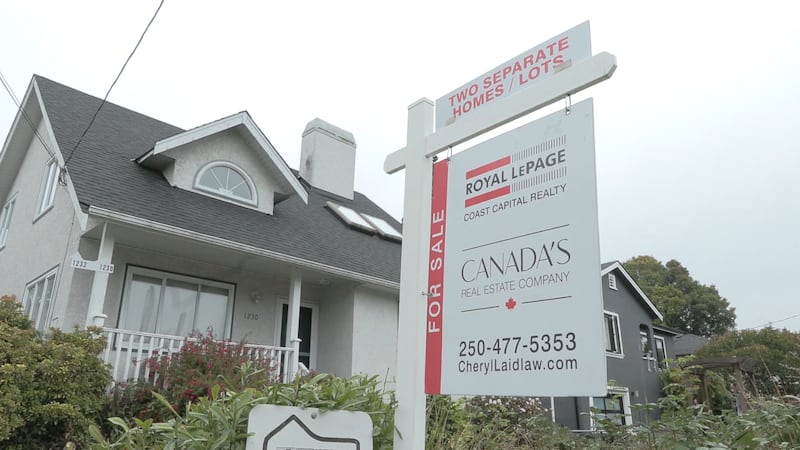
New Brunswick has taken its first steps towards a long-demanded overhaul of its property tax system. On Tuesday, Finance and Treasury Board Minister René Legacy introduced the proposed amendments to the Assessment Act. If approved, 2026 assessment amounts (value for taxation) would match their 2025 numbers. “Our government has committed to overhauling the property tax system to ensure stability, fairness, and affordability,” Legacy told the Legislative Assembly during the first reading. “While that process is underway, we are committed to property tax relief measures. We know many New Brunswickers are struggling with rising costs and the proposed measures we are tabling today will help toward making life more affordable.” The government says the freeze would benefit around 430,000 property owners. In 2024, all but 0.2 per cent of property owners saw an increase in their property value with 43 per cent seeing an increase north of 10 per cent. Some municipalities are fighting against the proposal. In a joint press release, the Union of Municipalities of New Brunswick (UMNB) and the Association francophone des municipalities du Nouveau-Brunswick (AFMNB) say the “unilateral move breaks a commitment to municipalities and sets a troubling precedent for interference in municipal finances.” “For us it’s not real good news,” says AFMNB president Yvon Godin. “What will happen with that is municipalities will have less money next year to give services to its residents.” Godin says he and the UMNB tried to explain to the government what will happen if the freezes are put in place. While he praises the move to help residents, he worries what municipalities might have to do to make up for lost dollars. “It’s around 58 million less for all the municipalities in New Brunswick,” says Godin. “I don’t know how they will resolve or solve the problem, maybe by raising the tax or cutting services.” Saint John Mayor Donna Reardon says the province’s three major cities (Saint John, Fredericton and Moncton) have all been making cuts to their tax rates year over year, and being forced to raise them again to try and balance costs would send a wrong message to the community. “It’s not good for municipalities to be putting up the tax rate right now, especially with everything that’s happening in the world,” says Reardon. “I’ve heard it said the way municipalities are going to have to deal with it is to increase the tax rate, but we have people talking about groceries, going without heat, electricity and trying to reduce all of those that consumption because of the cost of everything right now. “For us to say we’re putting our tax rate up, it’s just not going to go over well with the cities. We’ll be doing everything we can to avoid that.” When asked about the potential of having to cut services, Reardon says that is something the city will look at when it begins its budgeting process in the fall. New Brunswick Apartment Owners Association president Willy Scholten praises the government’s proposed one-year assessment freeze to allow proper time to see the system overhauled properly. He says the system is very complicated and rushing into any changes without a full understanding or fully engaging with stakeholders would be a mistake. “We think the tax reform is absolutely needed,” Scholten says. “In our area, for example, our tax rates are 50 per cent higher than the rest of Atlantic Canada. Tax reform was a welcome thing that the government was looking at, but we also want to make sure that it’s done right and without engaging the stakeholders, fully looking at all the different angles of this, we thought it was a prudent thing to put that on hold for just the one year and to do it right.” When asked if the assessment freeze will spur or deter development in New Brunswick, Scholten says it likely won’t make a difference one way or the other. For more New Brunswick news, visit our dedicated provincial page.