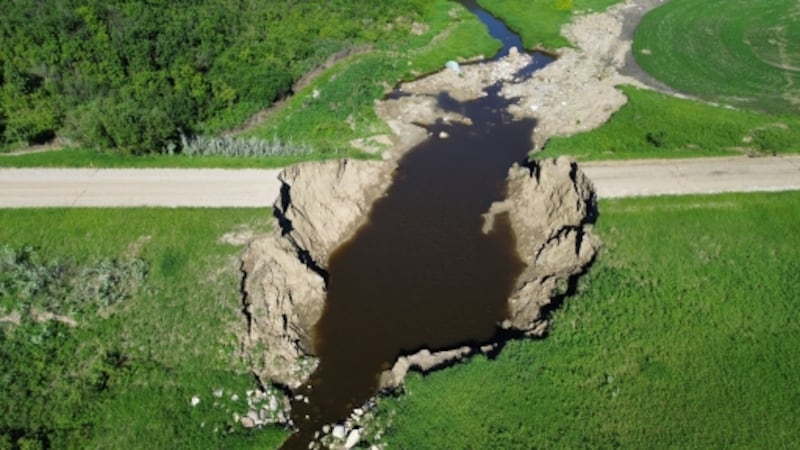
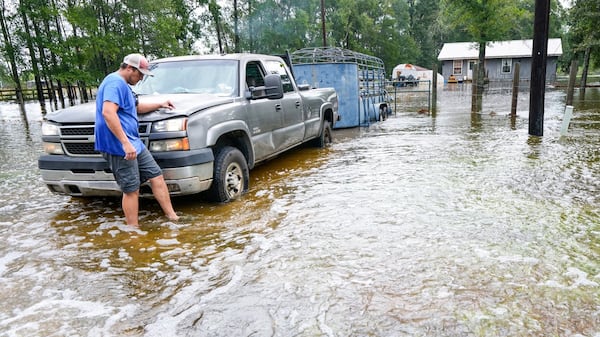
A developing low-pressure system that moves out of southern Ontario and across New Brunswick on Thursday brings the Maritime provinces a mix of snow, rain, drizzle, and fog. Snow and rain timing Snow develops in western New Brunswick and southwestern Nova Scotia early Thursday morning. The snow turning to rain quickly in Nova Scotia and southern areas of New Brunswick. The mix of snow and rain filling in across the Maritimes by Thursday afternoon. Rain, drizzle, and fog will continue into Thursday evening for most of the Maritimes with wet snow continuing to fall in parts of northern New Brunswick and the Cape Breton Highlands. A final round of rain moves across the Maritimes overnight Thursday and Friday morning. The last of the rain may turn back to a brief period of snow. Temperatures will fall below freezing by and through Friday evening, with wet surfaces turning icy Friday night. Snow amounts For most of the Maritimes the initial snow on Thursday will add up to a few centimetres at most before a turn to rain. Northern areas of New Brunswick, especially higher terrain, could pick up five-to-10 cm of wet snow. The higher elevations of the Cape Breton Highlands could also pick up some snow amounts of five-to-15 cm. Rain amounts Rain for southern New Brunswick and Prince Edward Island is forecast to be in the range of 5-to-15 mm. The River Watch program in New Brunswick is active. There are no indicated risks of flooding for the river system as of noon Wednesday. As the spring freshet continues it is important for those who may live in flood prone areas to monitor the status of the river systems, especially during and after rain events. The temperature pattern we’ve had through the end of March of below freezing temperatures at night and slightly above freezing temperatures during the day can be a boon for an easier freshet. That pattern gives a more gradual melting of the snowpack into the rivers, streams, and tributaries. More rain from the system is expected in the province of Nova Scotia. A general 10-to-30 mm of rain with possible pockets of 30-to-40 mm for the Atlantic coastal counties. It shouldn’t cause many issues but watch for ponding water on roads to create hydroplaning conditions.