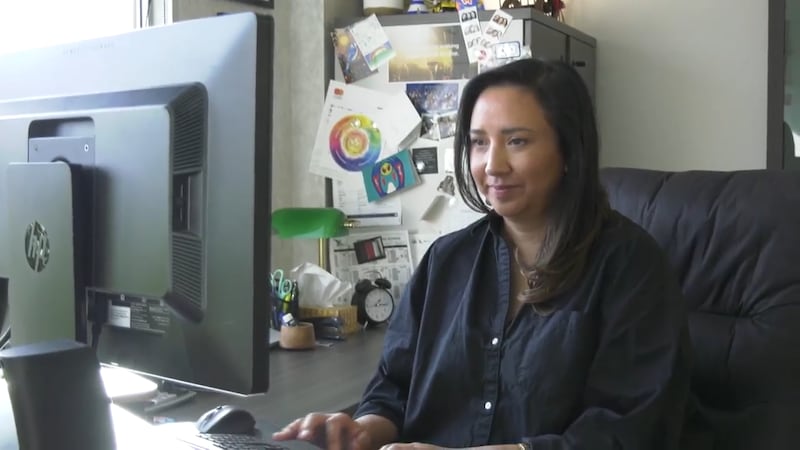
As the holiday season winds down, Shelter Movers, a Canadian charity, is reporting an increase in the number of people looking for help escaping abusive homes. “We work with transition homes. We work with shelters and other organizations. So, when they come across a client who has a need to move, then they will reach out to us and they will start that process,” says Michelle Tupy, the regional director for Shelter Movers New Brunswick and Nova Scotia. “We will go to either the place of abuse or another location, and we will pick up their items, and then we will either move them if they have a new location, or we will store them until they find a new location.” Tupy says the need for survivor relocations tends to spike during the holidays, especially in January and February. Victims turn to organizations like Shelter Movers, in hopes of a discrete exit. “We don’t come in with any marked vehicles or marked t-shirts or anything like that. If neighbors ask, (we say) we’re just friends helping someone move, so we do try and keep it as quiet as possible,” says Tuby. In the last decade, the charity has completed 10,000 survivor relocations, including 1,000 in Nova Scotia and 301 in New Brunswick. It’s a milestone Tupy says is not exactly a celebration. “It’s mixed feelings. We’re happy that we’re able to do the work, but it’s very sad that the need is there.” She says the charity has focused its efforts on rural communities. “I think we see from the statistics that it happens a lot in smaller rural communities as well, where those things are often sort of swept aside.” Shelter Movers has put the call out for gas donations, in hopes to continue providing shelter services for those in need. “We need to educate men. We need to educate women. We need to educate children, so we can break these cycles of violence,” says Tuby. “We know that gender-based violence affects everyone all over Canada, and regardless of where they live or who they are. They could be in huge houses, they could be in small houses, it affects everybody. So, I think it’s really a case of the whole community coming together to stop gender-based violence.”