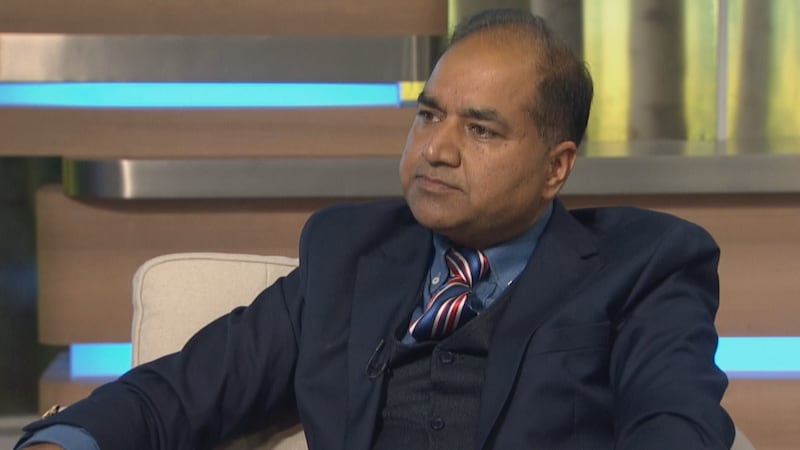
Atlantic provinces saw some of the highest inflationary increases from June to July in the country, according to Statistics Canada. New Brunswick had one of the highest inflation rate increases in the country, rising 0.8 percentage points to 4.6 per cent in July, while Nova Scotia had the highest rate in the country in July at five per cent. Herb Emery, the Vaughan Chair in regional economics at the University of New Brunswick, said much of inflationary increases are due to growing gas and energy prices. And the rising cost of living is hitting people under 35 years old the hardest. “They’re more indebted from school, we’ve encouraged them not to defer buying things like cars, so there’s just a lot of debt when it comes to young people,” he said. He isn’t expecting the rising rates to let up soon. “We’re heading for a difficult year coming up,” he said. “The inflation cycle is just the first part of a potential adjustment. And the message should be get your house in order.” For Fredericton shopper Emma Gallagher, the cost of supporting her baby while on maternity leave is taking its toll. “To buy groceries that cost significantly more than they usually cost while I’m making significantly less than I usually make is noticeable,” she said. Shoppers Lenny Wood and Jean Wood said pet food, fruit and gas costs are hitting their wallets. “I was surprised to see bananas so high,” Jean Wood said. Inflation is impacting businesses, too. Alex Scholten, co-owner of the Victory Meat Market in Fredericton, said the rising supplier prices are “depressing”. The store has introduced discount sections and moved to cheaper and no-name suppliers, while he’s noticed customers accessing fliers more often. Even still, he’s concerned about long-term sustainability. “There is a price point that consumers will reach. We know that they’re buying less or they’re downgrading what they may buy. And at some point in time, if we’re not following that very, very closely, we won’t be around anymore,” he said. He’s hoping for a break in the rising costs as soon as possible, for the sake of consumers. But Emery said rising costs may point to a bigger need for policy change. “If we pay attention to how often we have this story, we have to start thinking what’s missing in the public policy environment that makes this a continuing, ongoing pain,” he said.