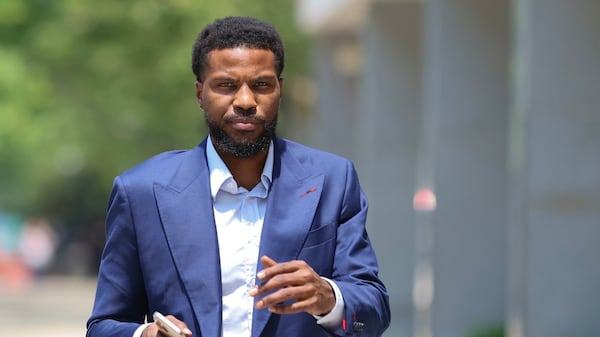
Jessica Richardson works full-time as a nurse and while it’s a job she loves, she says she has another calling. “I provide support to people who are dying or facing terminal illness diagnosis,” says Richardson. They’re known as “death doulas,” or sometimes “end-of-life doulas.” Richardson describes them as non-medical professionals who provide services to people in their final moments. “I love it,” she says. “I love providing support to people at the end of their life when they are most vulnerable and they need that love and they need that compassion the most.” She says she does everything from funeral planning to pet care. “Just to be able to provide those supports and help with advanced directives like power of attorney, substitute decision maker, things like that… it’s been so beneficial for everybody,” says Richardson. Tracey Robertson, the co-founder and CEO of the Home Hospice Association, says a program created in 2017 allowed them to train and mobilize more than a thousand death doulas across Canada. “We’re really there to kind of slow everything down and take some of the fear and the panic out of the situation, to really help an individual make some key decisions on what they want for the end of their life,” says Robertson. “Working in this (field) all the time, you really recognize that death is very much a natural part of life. And as death doulas, if we can help people live fully, live fully present, and live their best life in face of a diagnosis, then we’ve given not only a wonderful gift to the person who’s dying, but to all of those who love them or support them,” Robertson says. Death doulas also support family members who are left to make tough decisions. “When somebody finds out they’re pregnant or somebody shares the news they’re pregnant, it’s a celebration,” says Robertson. “Everybody’s clamouring to offer advice, whether you want their advice or not…and there’s a million books and probably a million versions of “What to Expect When You’re Expecting,” volume one, two, though 26. But, on the other side, when you’re facing the end of your life, that village just isn’t as big." Richardson admits the job can be emotionally taxing but she says its one she’s honoured to do. “Birth is a beautiful process and so is dying,” Richardson says. “Dying can be a very beautiful process, but there’s so many options that people don’t know about. And so I want to make people’s death and dying journey and their loved ones’ journey within that, just that much more easy for them.” Richardson said she hopes “death doula” becomes a household word that helps reduce the stigma around death. She’s hosting online “death cafes,” as a way to facilitate open conversations. “So, this (week’s) topic is going to be about dying without regrets,” she says. “So we’re going to focus on that, and we’re going to talk about how to face the end of life without regrets.” “Death is such a taboo word. It’s like the big bad “D” word, you don’t want to talk about it. But it needs to be talked about because we’re all going to face it someday,” says Richardson. “And we need to figure out what resources are available and personalize those resources.”