Hoarfrost and rime ice are a pair of winter phenomena that are often mixed up due to their physical similarities. However, the two are quite different. CTV News spoke with Environment and Climate Change Canada’s Christy Climenhaga to learn about what makes them unique and how to tell them apart.
Published:
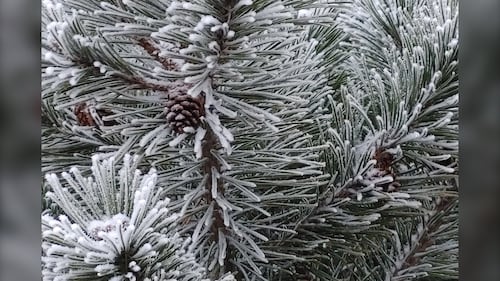
Image 0 of 4
Hoarfrost vs. rime ice Hoarfrost is formed during clear, calm, cold conditions. Climenhaga explained what happens is the moisture in the air turns into water vapour, but skips the liquid phase and then freezes directly onto a surface. (Maureen Morrish)
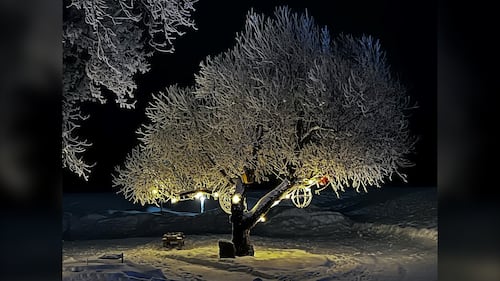
Hoarfrost vs. rime ice Rime ice occurs during low cloud or foggy conditions when there are lots of cold water droplets in the air. These droplets then encounter solid surfaces, including trees or power lines, and freeze to them, creating ice. (Diane Clarkson)
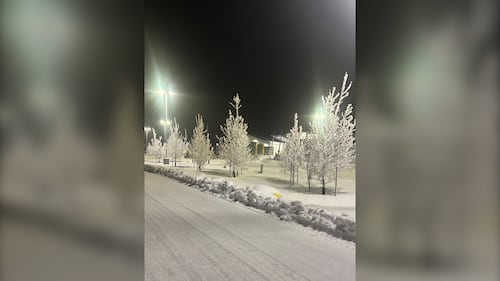
Hoarfrost vs. rime ice If you look closely, you can tell the difference. According to Climenhaga, hoar frost is lighter and more feathery. It can often be blown or brushed off easily. On the other hand, rime ice is thicker and looks more like droplets. (Arlene Flatfoot)
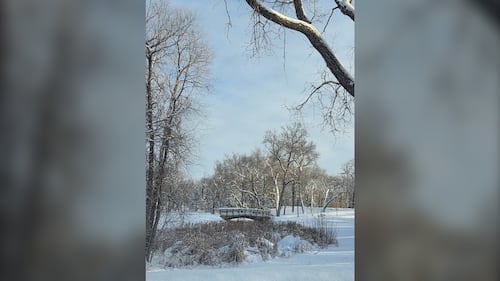
Hoarfrost vs. rime ice In terms of dangers, rime ice poses more of a risk. Climenhaga explained this is because it can build up over an extended period and get really heavy, ultimately leading to power outages and aircraft issues. (Brenlee Rose)