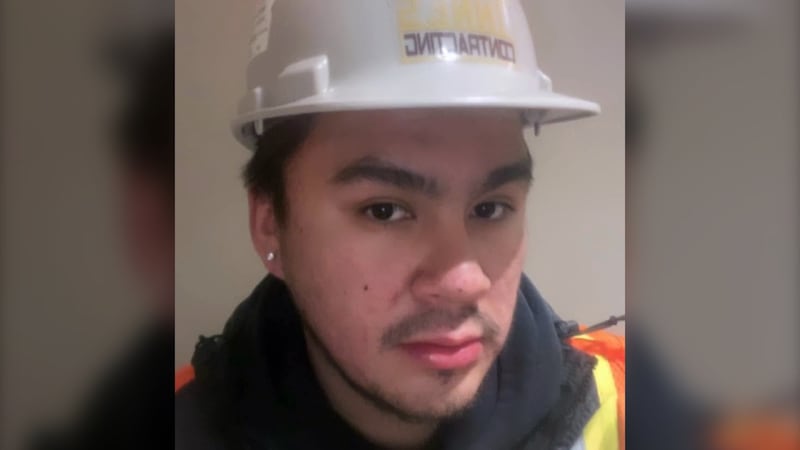
Two months after a Manitoba man died of a heart attack during a lengthy 911 outage, Telus has concluded its investigation—yet the family and the province say critical questions remain unanswered. For Ray Switzer, the months have been filled with heart-wrenching grief and a maddening search for answers in his son’s death. “It’s two months here now that we lost our son, and we’re just getting a runaround,” he told CTV News. Dean Switzer was, by all accounts, healthy and excited to celebrate his 56th birthday. But, on Sunday, March 23, Dean suffered a heart attack in his home near Fisher Branch, Man. Ray said Dean’s wife and friends—all Telus customers—made more than 20 desperate calls to 911. The only response they received was a message telling them to hang up and try later. Read more: Manitoba family unable to contact 911 during deadly heart attack Telus has since confirmed there was an outage lasting 38 hours and 15 minutes between March 22 and 24, during which some customers were not able to contact 911. What is in Telus’ report? Telus has now completed its investigation and filed a final report to the Canadian Radio-television and Telecommunications Commission (CRTC). However, critical details are redacted from the publicly available report, including what caused the outage, what was done to fix it, and how many people were impacted by it. “The technical details could, if made public, provide a roadmap for bad actors to attack Canadian 911 networks and as such, is treated consistently by TELUS in a confidential manner,” the report reads. The company said it has made “enhancements” to its 911 call routing protocols but does not elaborate. “TELUS is confident that with these enhancements to its connectivity processes and procedures, an outage of this kind could not occur in the future,” the report reads. Bell sheds some light, but questions remain for family Among the few unredacted details in the report, Telus pointed the finger at Bell – Manitoba’s 911 network provider and CTV’s parent company. The report said the issue was on the Bell side of the system, which caused Telus’ 911 lines to fail. A spokesperson for Bell told CTV News its customers, along with those of nine other service providers, were able to place emergency calls the night Dean died. They said the only exception was Telus. While they noted the exact root cause is still unknown, the spokesperson did provide more details as to what happened that night. “A certain piece of equipment within our network reset and it is unclear why Telus ceased sending 911 calls to Bell MTS when the reset occurred,” they said in a written statement, adding Bell tried resetting the 911 communication lines (also referred to as trunks) on its side, but that didn’t fix the issue. “Telus then reset trunks on its side of the network, and 911 calling was restored,” the spokesperson said. Bell noted Telus has since implemented a fix that automatically re-routes 911 calls to a third-party 911 call centre if a similar outage were to happen again. ‘Far from an apology:’ Telus offered family internal corporate award All this is little comfort to the Switzer family, who, through this whole ordeal, have been seeking two things—an apology from Telus and answers as to what happened and what the company is doing to ensure it doesn’t happen again. “All I want them to know, I guess, at this point is that this is causing a lot of grief in our family, and we need answers,” Ray said. Instead of answers, he said the family received a letter and a phone call last week from Jerome Birot, the vice president of platform technology and services at Telus. In the letter, Birot offered condolences and requested Dean be inducted into the Telus Legend Hall of Fame—an internal award typically reserved for Telus employees. “This will ensure Dean’s memory is a permanent and constant reminder to everyone at TELUS about the critical importance of connectivity and reliability,” the letter reads. A Telus spokesperson previously told CTV News this Telus Legend award is the highest recognition an employee can receive at the company. It is meant to celebrate those “Who have demonstrated exceptional career-long contributions, embody our company’s values, and have made long-lasting impacts on our organization and their communities.” The spokesperson said, with the family’s consent, Dean’s photo would be hung at Telus’ head office among the company’s other ‘Legends.’ Ray said the family felt the response was not appropriate. “I said it’s far from an apology,” he said, recalling his phone call with Birot last week. “I said we lost a human life because we weren’t able to get through to 911 on your system, and that has made us pretty bitter towards you people.” Manitoba minister ‘deeply disappointed’ with Telus report The Switzer family aren’t the only ones left with questions. “I’m deeply disappointed with the contents of it,” Manitoba’s Minister of Innovation and New Technology Mike Moroz said after reviewing the report. “It gives no clarity whatsoever in terms of the actual steps they’re going to be taking to protect Manitobans, to ensure that the tragic situation that occurred never happens again.” Read more: Minister meets with Telus over 911 outage during deadly heart attack Moroz said he had tried contacting Telus and is reaching out to his federal counterparts along with the CRTC. “We will be getting answers. We will be getting clarity, and the system will be improved,” he said. ‘We are deeply sorry for the pain and frustration’: Telus responds CTV News reached out to Telus for comment, which said in a written statement the inability to reach 911 in a moment of crisis is unfathomable. “We are deeply sorry for the pain and frustration this has caused the Switzer family,” the statement reads. The company added its final report was submitted after a thorough investigation but reiterated its concerns around security. “Given the critical nature of Canada’s 911 infrastructure, certain details have been redacted from the public version of the report to protect the integrity of emergency networks and prevent the disclosure of information that could compromise their security,” it said. Telus said it discussed the report and its findings with the Switzer family. However, Ray said the family hasn’t heard from Telus since last week. Now, after months of unanswered questions, Ray said the family is considering legal action. “I wish it didn’t have to go this way,” he said. “But if we don’t do that, it seems to me we’ll never find out why our son died.”