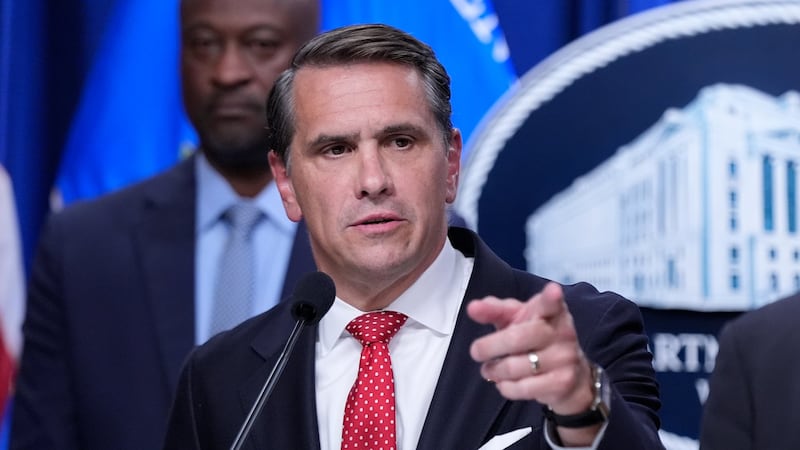
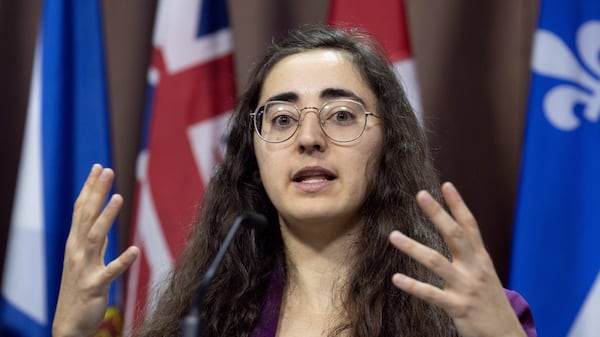
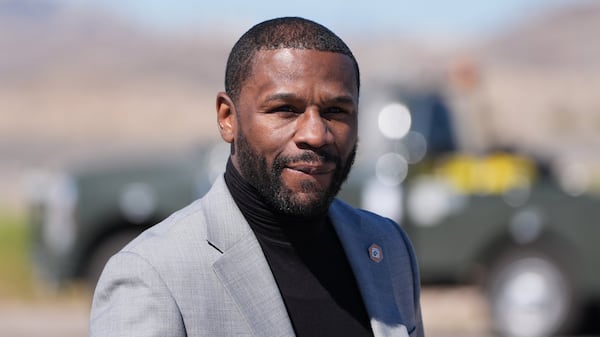
They walk the beat inside Manitoba schools, and now Premier Wab Kinew says more police officers like them are on the way. “If we can’t keep the kids safe, not too much else matters,” Kinew said. Tuesday’s Speech from the Throne promised the province will do more to keep staff and students safe in schools with new spending, including funding more school resource officers. This comes after two incidents in 2025. A student was wounded in a sword attack at a Brandon school where a resource officer intervened. A registered sex offender assaulted a student in a bathroom at an elementary school in Winnipeg. In that case, Kinew says he spoke with the child’s family. “They had a real common-sense outlook about school safety, which included the important role of police officers,” Kinew said. The Seven Oaks School Division has four resource officers. Superintendent Tony Kreml says the program builds relationships between police and the community including students and parents. He says that helps educate kids about dangers like sextortion, creates mentorships, and encourages the reporting of safety concerns. Kreml says having officers around also improves response times if there is a threat in a school. “We’ve had extremely rapid response times you know that helped the investigation, that helped alleviate any fears so that school can continue,” Kreml said. But both the Louis Riel and Winnipeg school divisions ended their programs. A report done for Louis Riel School Division concluded Black and Indigenous parents and students felt targeted. Manitoba Teachers’ Society president Lillian Klausen says her members would rather see the funding go towards more social workers, psychologists and clinicians. “If we’re looking at escalating negative behaviors and violence in schools, starting as early as Kindergarten, I’m not sure that (school resource officers) are where we want to go,” Klausen said. The premier says people who live in poverty in the inner city are disproportionately the victims of crime. “When you talk to folks in neighbourhoods like that, working-class neighbourhoods, they want policing. They believe policing is part of the response to crime,” Kinew said.