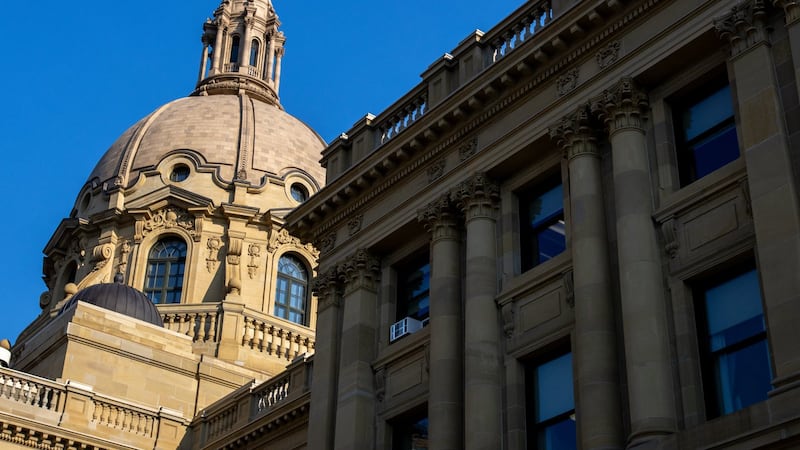
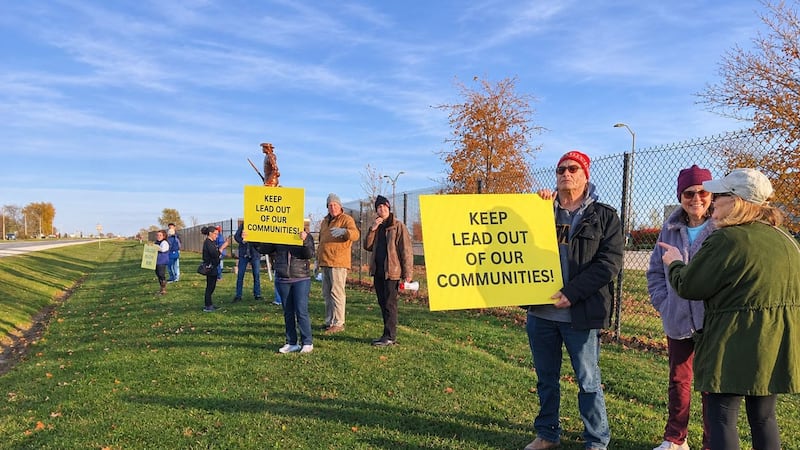
Dozens of Manitobans gathered in downtown Winnipeg on Monday to protest a recently passed Alberta law, urging the federal government to review the legislation amid concerns it could lead to a two-tier health-care system. Alberta’s Health Statutes Amendment Act, also known as Bill 11, was passed late last year. The law allows physicians to work in both the public and private health-care systems. Alberta Premier Danielle Smith has said the change would help reduce wait times and increase the number of surgeries performed in the province. However, advocacy groups—including the Manitoba Health Coalition—say the move could deepen inequalities in the health-care system. The nonprofit organization argues that allowing private care could enable some patients to “jump the queue” by paying for faster treatment. “We’re participating in a National Day of Action to stand up for public healthcare and to say no to two-tier, American-style healthcare, which is being pushed through right now in Alberta,” said Noah Schulz, director of the coalition. Schulz said the legislation would undermine the principles of universality and accessibility in Canada’s health-care system, potentially creating financial barriers for some patients. ‘Dangerous national precedent’: open letter The Canadian Health Coalition is among more than 20 organizations nationwide that have signed an open letter to Prime Minister Mark Carney and Health Minister Marjorie Michel, calling on the federal government to conduct a compliance review of the legislation under the Canada Health Act. “(The legislation) proposes a system where patients face financial uncertainty and where timely access to care will inevitably depend on ability to pay,” the three-page letter states. It adds that the legislation “abandons the foundational principles on which Canada’s health-care system has been built, as enshrined in the Canada Health Act.” The letter also warns the policy could worsen staffing shortages in the public system by allowing doctors to divide their time between public and private care. If other provinces follow Alberta’s lead, the group says it could “set a dangerous national precedent.” Advocates also raised concerns that the change could attract U.S. health-insurance companies and hospital corporations to Canada’s market. They argue that if the companies were denied entry, disputes could potentially arise under the Canada-United States-Mexico Agreement. “Most importantly, the federal government can enforce the Canada Health Act,” Schulz said. “They can use their discretionary powers to reduce health transfers to the province—making deductions dollar for dollar for any spending that prioritizes private care.” According to the federal government, Alberta is expected to receive just over $6.6 billion in funding during the 2025–26 fiscal year through the Canada Health Transfer, which provides federal support to provinces and territories for health care. The coalition also disputes claims that the changes would reduce wait times, arguing that wait times could actually grow under a dual public-private system. Smith has previously said physicians would only be allowed to treat a limited number of private patients during times when they are not working in the public system. She also said her government remains committed to a publicly funded health-care system, adding that no Albertan will be required to pay out of pocket for medically necessary care. Monday’s protest was one of more than a dozen demonstrations planned across the country by the Canada Health Coalition, most of them held outside MPs’ offices. In a statement, a spokesperson for Health Minister Marjorie Michel said federal officials are actively engaging with Alberta to assess the implications of Bill 11. “Our government will always protect the Canada Health Act and Canada’s universal health-care system,” the statement reads in part. Manitoba Health Minister Uzoma Asagwara said universal health care is a “fundamental Canadian value” in a statement, reaffirming the province’s commitment to improving access and outcomes. “Our government believes Manitobans should receive care based on their need, not their ability to pay,” reads the statement in part. With files from CTV’s Mark Villani