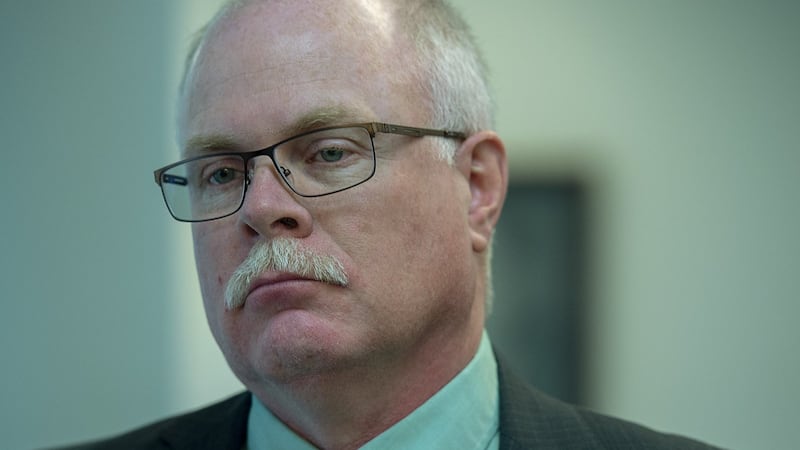
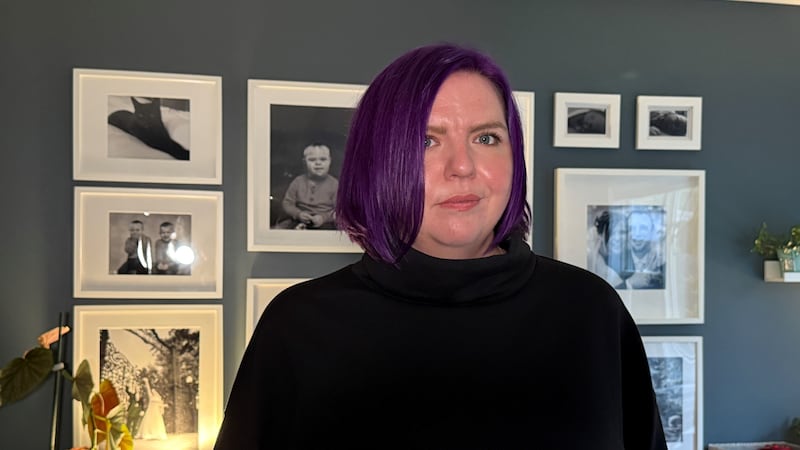
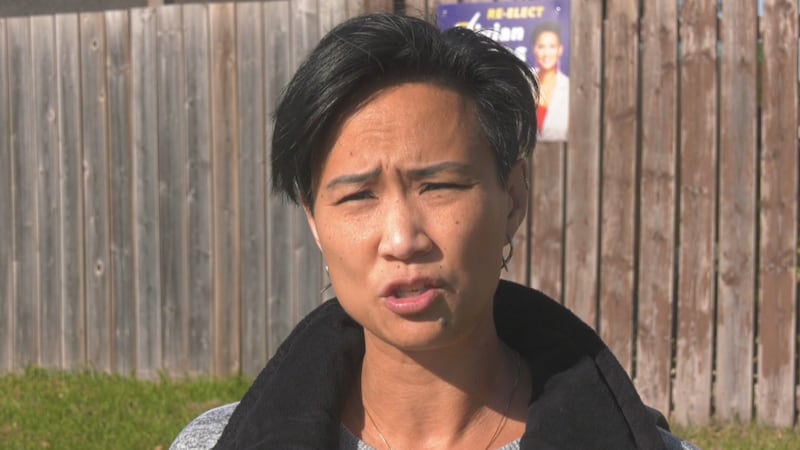
A 93-year-old man waited hours for an ambulance after he fell and broke his hip, and his family says the situation highlights the lack of emergency services in Winnipeg. “He was on his lawn for six hours,” said son-in-law Michael Vogiatzakis. “Six long, devastating, painful hours before an ambulance attended.” Allan Crouse fell on Wednesday and lay in agony on the front lawn of his home. His family quickly called 911 and was told it would be a three hour wait but not to move the elderly man or give him anything to eat or drink. That proved optimistic as an ambulance did not arrive for six hours. “My wife was called to come to the scene where he was. And when she got there, she just saw her dad and in pain, screaming in pain,” said Vogiatzakis. “There was nothing she could do.” Neighbour Raena Chammartin lives across the street from the home and saw Crouse lying on the ground with people around him not too long after he fell. She’s shocked how long it took for an ambulance to arrive. “I think it’s frightening,” said Chammartin. “I think people in the city should be scared.” The union representing paramedics says six-hour waits should never happen. “It’s not acceptable,” said Kyle Ross from the Manitoba Government and Employees Union. “I can tell you, when you talk to the workers that they’re horrified by hearing this, that it’s not something to be proud of.” Ross said there aren’t enough workers to get to everyone quickly. “The service is stretched so thin and there’s not enough paramedics,” he said. “These incidents will unfortunately continue to happen if we don’t find a way to get people to take up this profession.” Vogiatzakis said something must change and sooner rather than later. “If City Hall doesn’t take action, this is going to happen again,” he said. Winnipeg Fire Paramedic Service provides paramedic services as part of a service agreement with Shared Health. A spokesperson for the WFPS told CTV News it cannot comment on specific medical incidents out of respect for patient privacy, but said medical calls are triaged using a medical priority dispatch system. “Once the call-taker provides information, the call is classified and sorted for dispatch. We dispatch using five priorities and we prioritize by symptom and which emergency crews we have available at any given time,” the spokesperson said. WFPS said it has seen in increase in the numbers of calls, year-over-year, and that an advanced care paramedic may assess a patient over the phone while waiting for an ambulance to become available. Vogiatzakis said Crouse is being treated in hospital and the family hopes to know more soon. “Next time it could be your father, you know, one of your loved ones, and then you’re going to go through this pain that our family is going through right now.”